Set the keys, then the seat
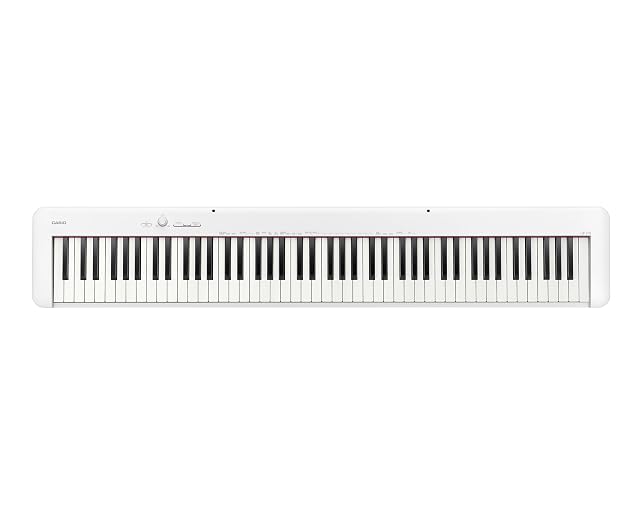
Keys first: roughly at the height where seated forearms are level. Then the bench, so that feet are flat and thighs are level. If the two cannot be reconciled, the stand is what changes.
Match the frame to the weight
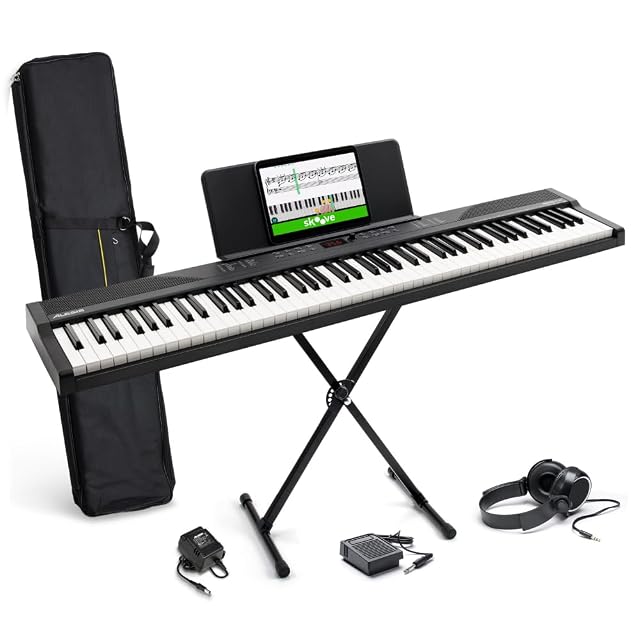
A single-braced X-frame is intended for portable keyboards. Under a heavy hammer-action instrument it flexes, and the movement is felt while playing — distracting in a way that has nothing to do with the piano.
The music stand is part of it
Sheet music at eye level, not on the bed. A stand with a clamp stops the page turning itself mid-piece, and a triple-braced base holds a hardback score that a wire stand would tip under.
Check it again after a month
Posture settles. What felt right on the first evening is often two centimeters out once the hands know where they are going.
The questions players ask
X-frame or Z-frame?
An X-frame folds smaller and costs less; a Z-frame is steadier under weight and lets you sit closer. For a portable keyboard the X is fine; under a hammer-action piano it flexes.
What height should the keys be?
Where your forearms are roughly level with them when seated with your feet flat. Everything else — bench height, stand height — follows from that.
Last reviewed 2026-08-18