Skip to content

The best recording microphones for 2026

The first decision on a microphone is the connector, and it decides your next three purchases. A USB microphone is a complete recording chain — capsule, preamp and converter in one body, plugged straight into a computer. An XLR microphone is one component, and it needs an interface, a cable and, for most condensers, 48 V phantom power. Neither is better; one is finished and one is expandable. Every page here states the connection, the polar pattern, whether phantom power is required, and whether the body has its own headphone socket for latency-free monitoring.

The models we recommend

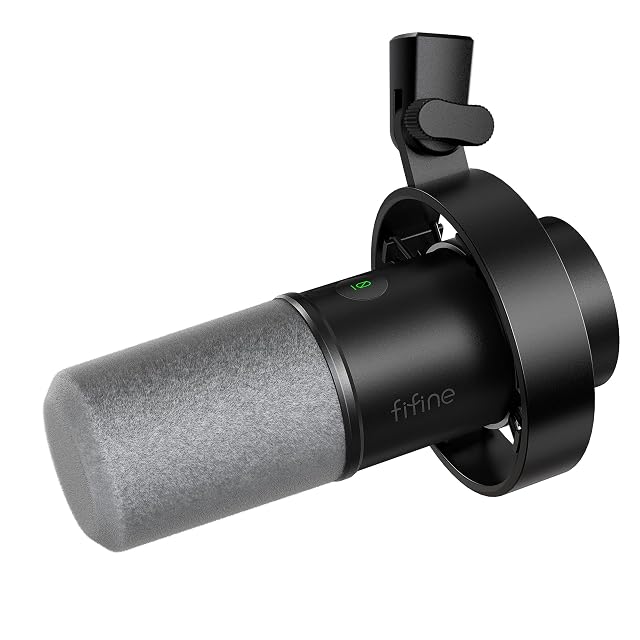
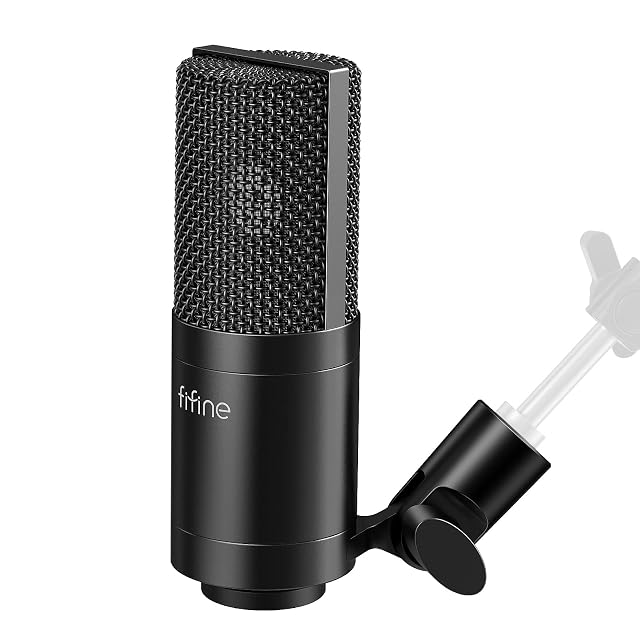
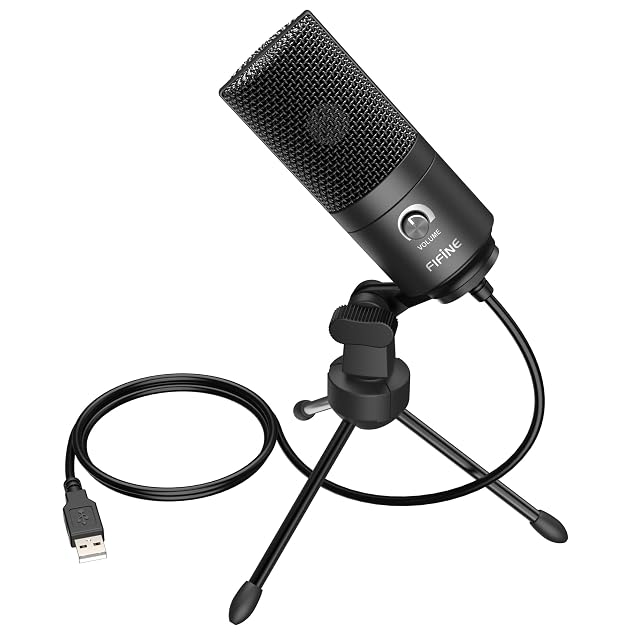
  1. FIFINE 800669

    USB condenser · cardioid · tripod included · volume knob

    A metal-bodied USB condenser with a tripod stand and its own volume control, sold at a price where the alternative is usually a headset. Cardioid, and stated as PC, Mac, PS4 and PS5 compatible.

    Best for: A first microphone for calls, streaming and rough demos on a computer.

    7.2/10

    ≈ $55

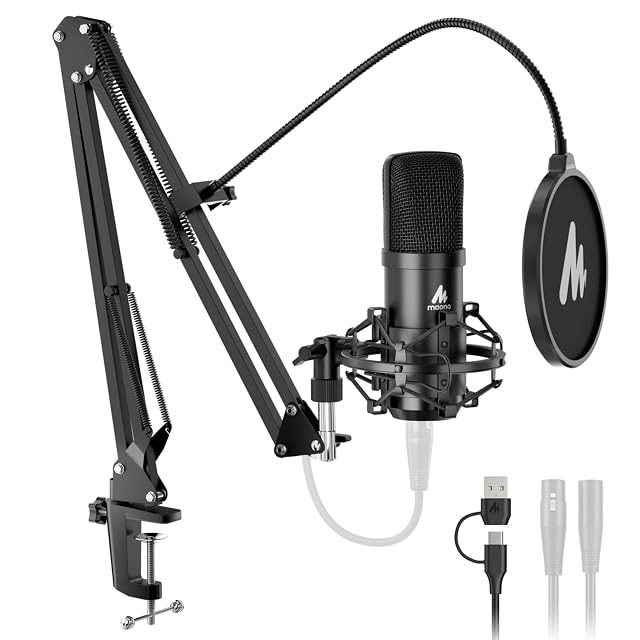
  2. MAONO A04 Gen2

    USB and XLR · 192 kHz/24-bit · software control · kit

    A microphone that goes both ways: USB for plug-and-play now, XLR for an interface later. MAONO states 192 kHz/24-bit and supplies a boom arm kit, pop filter and windscreen.

    Best for: Someone who will start on USB and knows an interface is coming.

    7.8/10

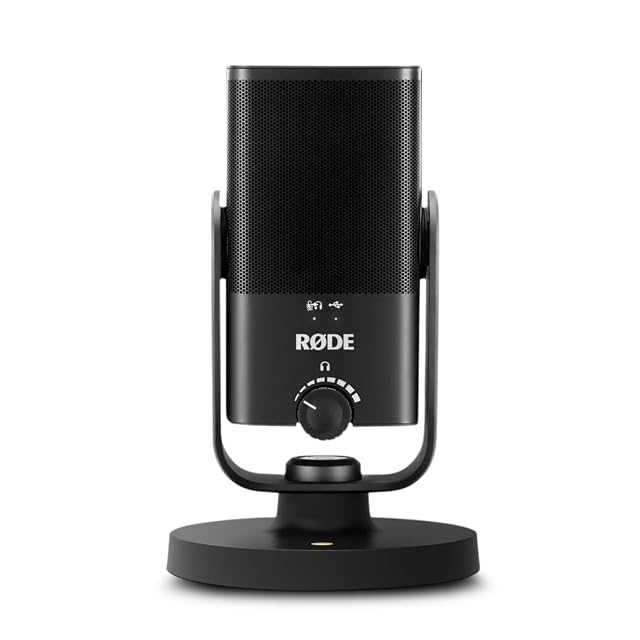
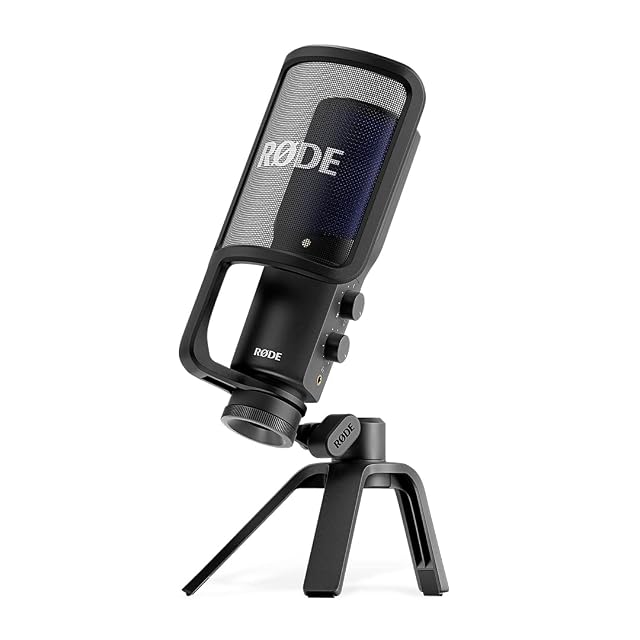
  3. RØDE NT-USB Mini

    USB condenser · 24-bit/48 kHz · headphone out · magnetic base

    A complete recording chain in one small body: condenser capsule, 24-bit/48 kHz interface, zero-latency headphone output and a detachable magnetic desk stand. Class compliant, so nothing is installed.

    Best for: Podcasting, streaming and demos where the whole chain should be one object.

    7.8/10

    ≈ $105

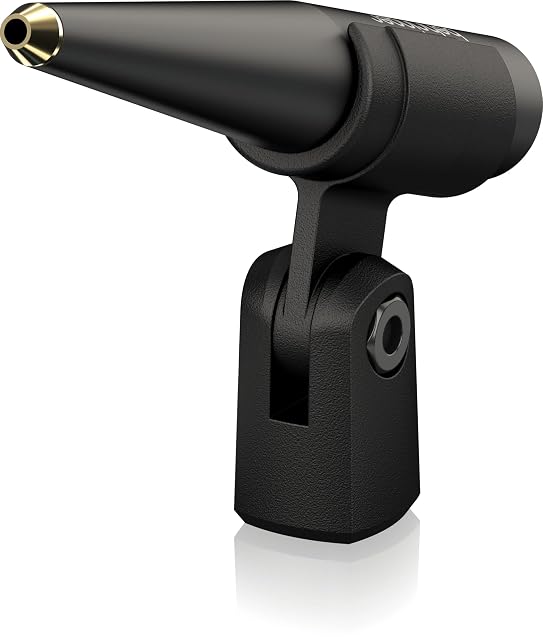
  4. Behringer ECM PRO

    One bullet, and it is the title repeated

    The thinnest listing on this shelf by a distance: a condenser microphone whose single bullet is its own title, with no pattern, no diaphragm, no sensitivity, no SPL and no power requirement published anywhere.

    Best for: A buyer who already knows this microphone, because the listing answers nothing about it.

  5. FIFINE AmpliTank K688

    Dynamic · XLR and USB · S/N above 80 dB · 130 dB SPL · tap-to-mute · headphone monitoring

    A dynamic microphone with both XLR and USB outputs, a signal-to-noise ratio above 80 dB, a 130 dB maximum SPL, tap-to-mute and gain on the body, and a 3.5 mm (0.14 in) headphone socket with its own volume control.

    Best for: A podcast or a stream that starts on USB and moves to an interface later, where the mute button needs to be a button.

  6. FIFINE K669C

    XLR condenser · 16 mm (0.63 in) diaphragm · −43 dB · 130 dB max SPL · tripod included

    The least expensive XLR microphone here, and one of only two that publish a sensitivity figure: 16 mm (0.63 in) diaphragm, −43 dB, 130 dB maximum SPL, an all-metal body and a metal tripod in the box.

    Best for: A first XLR microphone for someone who already owns an interface and a cable, and wants figures rather than adjectives.

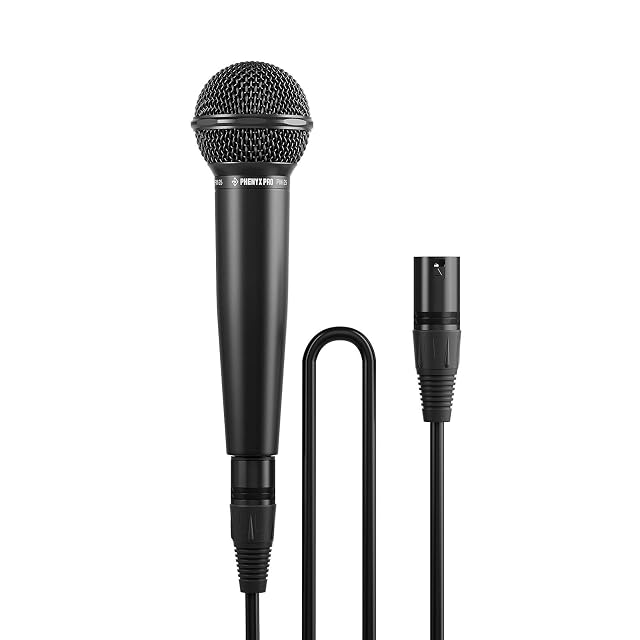
  7. Phenyx Pro PM-25

    Cardioid dynamic · −50 ± 2 dB · 260 Ω · 5 m (16 ft) XLR cable included

    The only microphone here that arrives with its XLR cable — five meters of it — and the only one to publish an impedance: a cardioid dynamic at −50 ± 2 dB and 260 Ω, in a full-metal body with a clip and a bag.

    Best for: A voice or a stage where the cable, the clip and the bag should not be three further orders.

  8. RØDE NT-USB+

    USB condenser · Revolution preamp · zero-latency monitoring

    The larger USB RØDE: a premium condenser capsule with the ultra-low-noise Revolution preamp, zero-latency headphone monitoring and DSP that can be driven from RØDE Connect.

    Best for: A voice that will be recorded regularly, in a room that has had some treatment.

    8.4/10

    ≈ $170

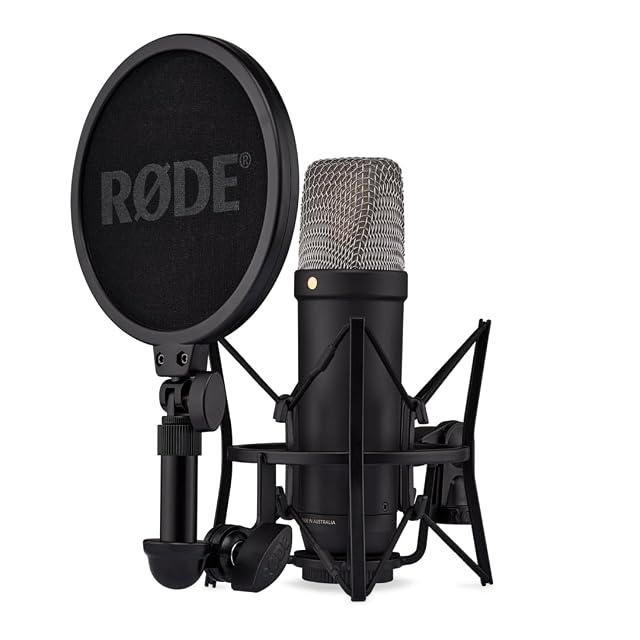
  9. RØDE NT1 5th Gen

    XLR and USB-C · 192 kHz conversion · Revolution preamp · ceramic-coated aluminum

    The most expensive microphone here and the only one with 32-bit-era conversion on board: a studio condenser with both XLR and USB-C, the maker’s Revolution preamp, 192 kHz analog-to-digital conversion and a machined aluminum body under a ceramic coating.

    Best for: A voice that will be recorded for years, where the one microphone has to work on a laptop today and an interface later.

Need by need, within recording microphones

A mic that stands comparison

The capsule and the electronics decide definition and noise floor. It is the link in the chain where spending is most audible.

RØDE NT-USB+

Starting to record

A simple USB mic plugs straight into a computer and removes the need for an interface, a cable and phantom power.

FIFINE 800669

Staying quiet on a quiet source

High self-noise shows the moment you raise the gain on a soft voice or fingerpicked guitar. The stated self-noise, in A-weighted decibels, is what separates a studio mic from a stage mic.

RØDE NT-USB+

Who each family suits, across recording microphones

Voice and podcast
A cardioid mic picks up in front of itself and rejects what comes from behind. That is what makes recording possible in an untreated room.
Acoustic instrument
A condenser mic captures details a dynamic lets slip. It also captures the room, which becomes a problem without treatment.
Recording in a noisy environment
A dynamic mic rejects the surroundings far better. It asks you to speak closer and sounds less detailed.

What you gain and what you give up, on recording microphones

Condenser against dynamic
The condenser captures detail and the acoustics of the room; the dynamic is less precise and far more forgiving of an untreated room.
USB against XLR
USB plugs in directly and freezes the chain; XLR needs an interface and lets each link evolve separately.
Mic against room acoustics
A good mic in a reverberant room sounds worse than a modest mic in a treated one. The priority beginners most often get backwards.

Frequent questions on recording microphones

Condenser or dynamic?

Condenser for precision in a quiet, treated room; dynamic to tolerate an ordinary room and a noisy environment.

What is phantom power?

A voltage sent by the interface to power a condenser mic. Without it, that kind of mic produces no signal at all.

USB or XLR?

USB is immediate and enough for spoken voice. XLR needs an interface and lets you change each element independently.

Do I need a pop filter?

On voice, yes: it removes the blasts on plosive consonants that no setting fixes afterwards.

How far away should I speak?

Generally around twenty centimeters for spoken voice. Closer, the bass builds up and mouth noises become audible.

Why does my recording sound hollow?

The room is captured along with the voice. Blankets, a bookcase or a panel behind the mic change the result radically.

Do I need a shock mount?

It isolates vibration from the desk and the floor, very audible on a condenser. A modest and useful accessory.

Does an expensive mic make a room better?

No, it reveals its flaws more. Treating the room before upgrading the mic gives far better results.

What stays with you, on recording microphones

A modest mic in a treated room beats an expensive one in a reverberant room: the priority most often got backwards. Condenser for detail, dynamic for tolerance — and a pop filter fixes what no setting fixes afterwards.

Summed up: recording microphones

    The full table of recording microphones

    A column is opened only if four devices in five publish the figure. Below that, it would set blanks against blanks.

    ModelPriceType
    FIFINE 800669$55USB condenser, cardioid
    RØDE NT-USB Mini$105USB condenser
    RØDE NT-USB+$170Premium USB condenser
    Behringer ECM PRO—Condenser, for studio and live sound (from the title)
    FIFINE AmpliTank K688—Dynamic, metal build
    FIFINE K669C—XLR condenser, balanced output
    MAONO A04 Gen2——
    Phenyx Pro PM-25—Dynamic, wired XLR
    RØDE NT1 5th Gen—Studio condenser

    Our guides on recording microphones

    Sources, and how the order is set

    Specifications: manufacturer sheets for musical instruments and gear and the matching Amazon product pages. Prices and availability: Keepa. Every figure in this table names its source.

    Most recent revision in this category: October 7, 2026.

    The method applied to recording microphones

    Prices quoted in these summaries are dated readings. The live price is shown next to each product.