Skip to content

All reviews, by what the thing does

85 products compared, grouped by what they are for rather than by brand or by price.

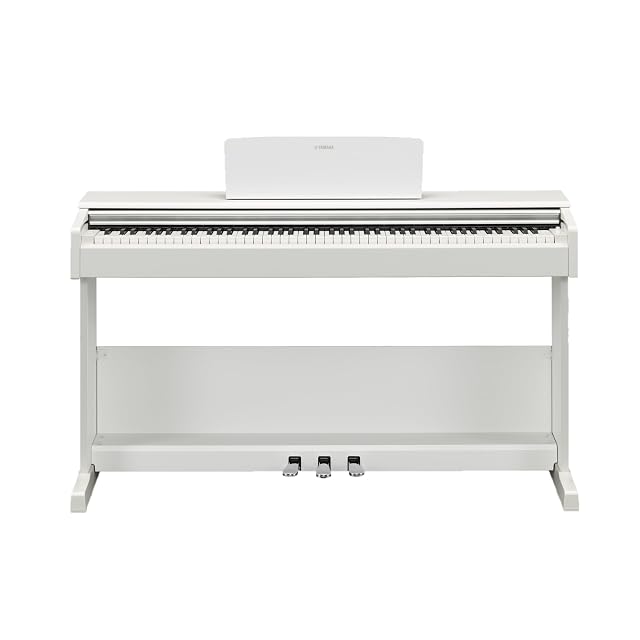
  • Yamaha ARIUS YDP-105

    88 GHS keys · three pedals · console cabinet

    A console piano rather than a portable one: 88 Graded Hammer Standard keys, three pedals and a cabinet that stays where you put it. Yamaha also fits a volume limiter, which sets a ceiling on output.

    Best for: A permanent practice piano in a room where it can stay assembled.
    8.3/10

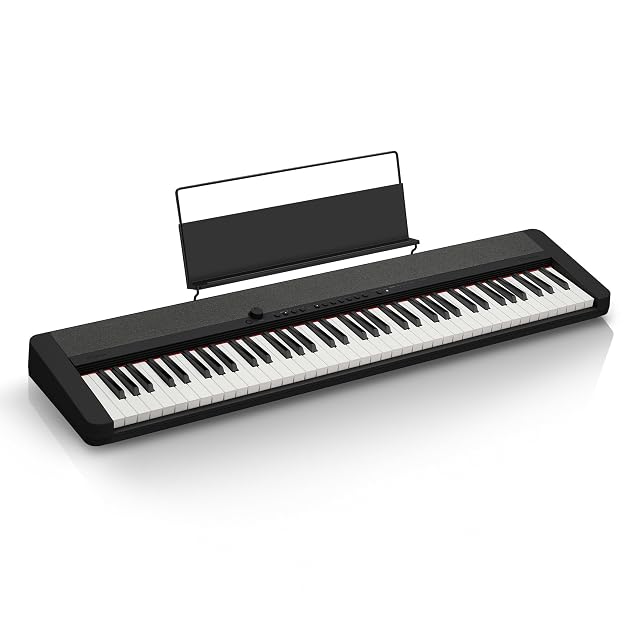
  • Casio CDP-S110

    88 weighted keys · 10 sounds · pedal and stand included

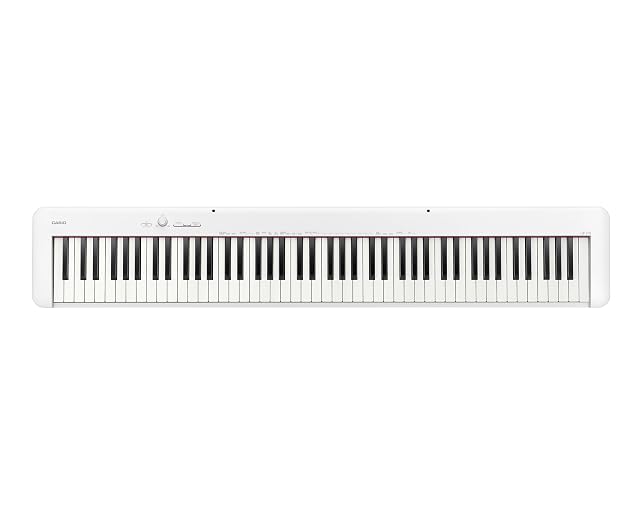
    A slim 88-key board with Casio’s Scaled Hammer Action II and, unusually at this price, the SP-3 pedal, music rest and power adapter already in the box. Ten sounds rather than hundreds — the money went into the keys.

    Best for: A first weighted piano where the pedal and adapter should not be a second order.

    7.9/10

    ≈ $820

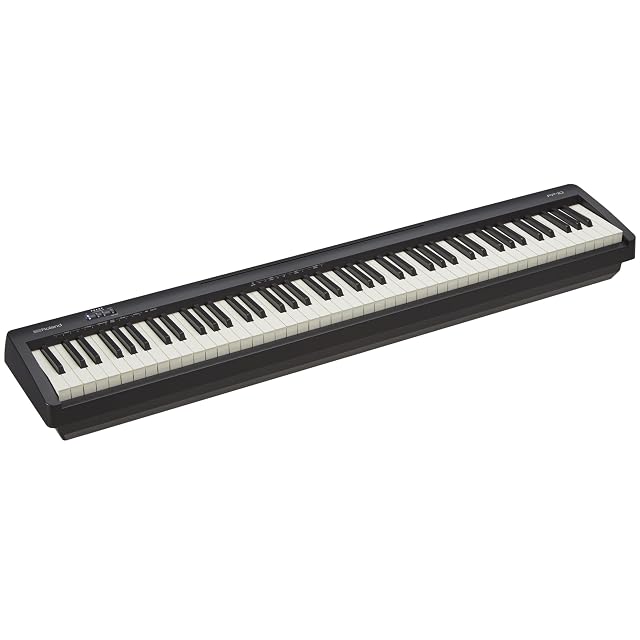
  • Roland FP-10

    88 keys · SuperNATURAL · headphone output

    Roland’s entry into the FP series: 88 keys with an ivory-feel surface, the SuperNATURAL engine, and a keyboard mechanism Roland describes as quiet in itself — the detail that decides whether a flat-dweller can practice at night.

    Best for: Someone who will practice mostly in headphones and wants the action to be the strong part.

    7.9/10

    ≈ $500

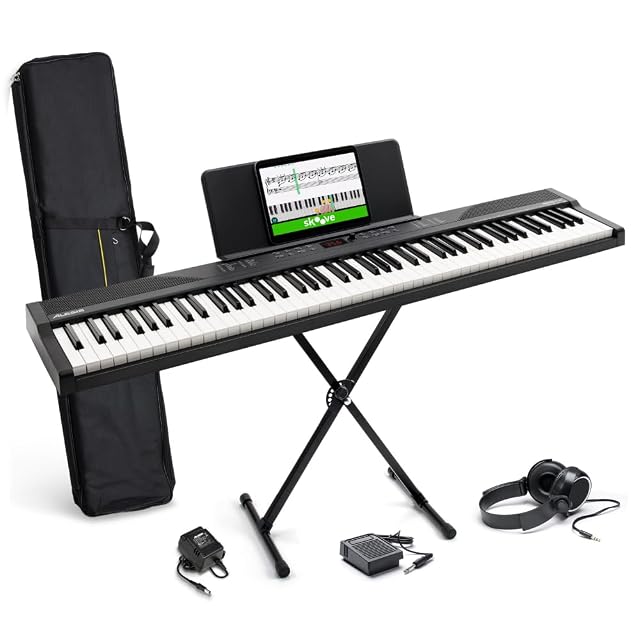
  • Alesis Recital Play

    88 touch-sensitive keys · 480 sounds · full accessory bundle

    Not a weighted piano and not sold as one: 88 full-size touch-sensitive keys, 480 sounds, and a bundle that includes the stand, pedal, headphones, bag and adapter. The most complete box in this group.

    Best for: A first instrument for someone who is not yet sure they will keep playing.

    7.3/10

    ≈ $190

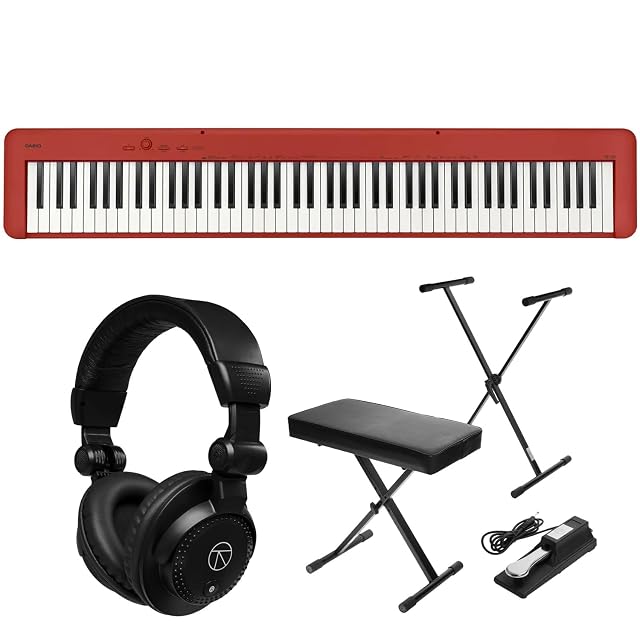
  • Casio CDP-S160

    88 keys with touch response · 13 hours on batteries · 23.1 lb · stand and bench in the bundle

    A bundle rather than an instrument alone: the CDP-S160 with a stand, a bench, a pedal, a music stand, an adapter and headphones — and the only piano here to publish a battery life and a weight.

    Best for: A first piano that has to arrive complete, stand and bench included, and be carried occasionally.

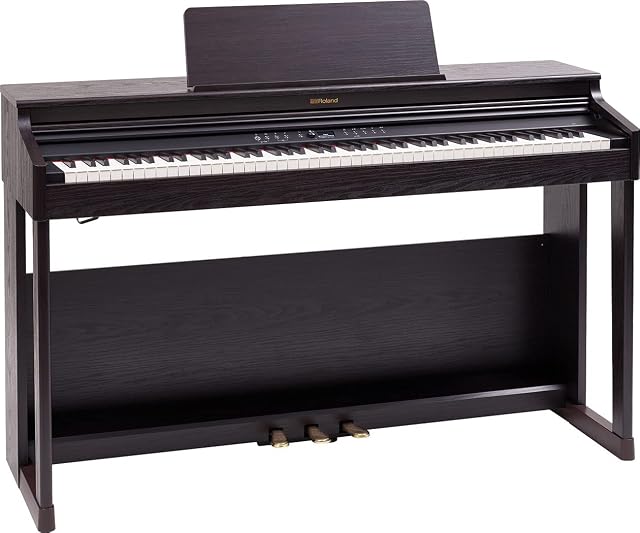
  • Roland RP701-DR

    PHA-4 Standard action · Progressive Damper Action pedal · 3D headphone ambience · Bluetooth

    The most expensive instrument on this shelf and the only one with a pedal that follows the travel of a foot: a cabinet piano with the PHA-4 Standard keyboard, SuperNATURAL sound, 3D headphone ambience and a bench included.

    Best for: A piano with a permanent place in a room, where the pedal and the headphone practice matter as much as the keys.

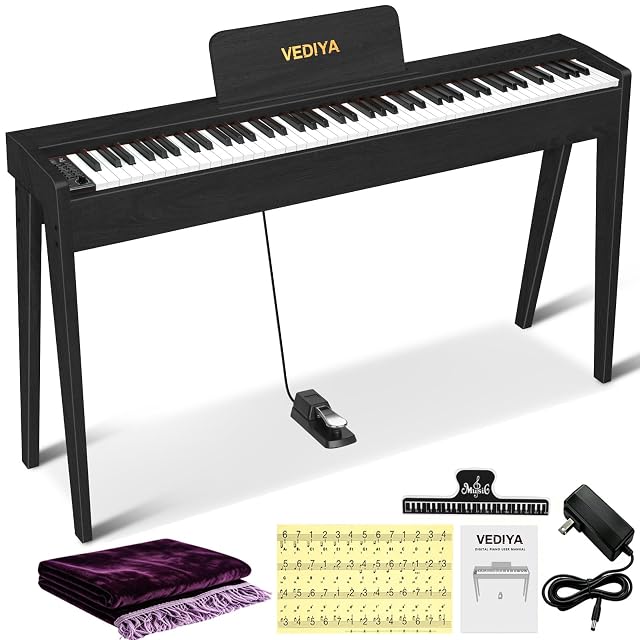
  • Vediya VE203

    88 semi-weighted keys · wireless MIDI and audio · 800 tones · 600 rhythms

    The least expensive 88-key instrument on this shelf, and the only one with wireless MIDI — but with 800 tones and 600 rhythms it is an arranger in a piano aisle, and this page says so first.

    Best for: A beginner who wants 88 keys, a backing band and a pedal in one order, and has not yet decided whether they want a piano.

  • Casio Casiotone CT-S1-76

    76 touch-sensitive keys · 61 sounds · 2 × 6.5 W

    The 76-key version of the same idea, with a bigger speaker system: 2 × 6.5 W instead of 2 × 2.5 W. Still no accompaniment styles, still 61 sounds, and 80 cm (31.5 in) longer in the room.

    Best for: A player who has run out of keys on a 61 but does not want an 88-key weighted piano.

    8.4/10

    ≈ $510

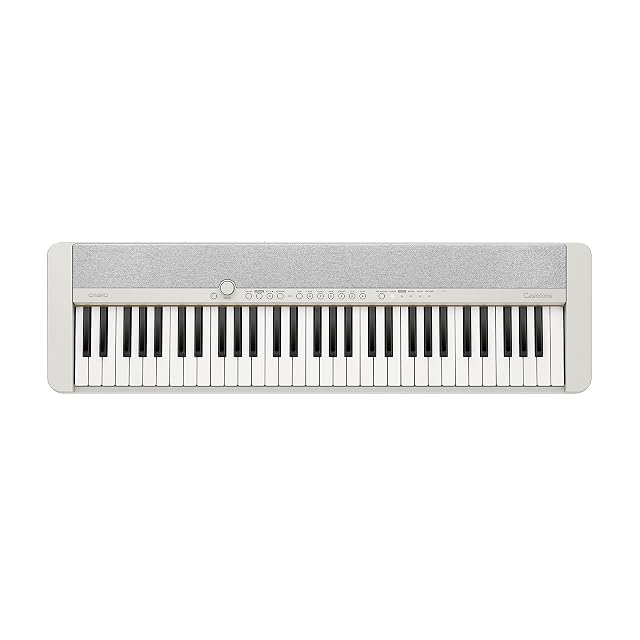
  • Casio Casiotone CT-S1

    61 touch-sensitive keys · 61 sounds · no auto-accompaniment

    A keyboard built like a piano rather than like an arranger: 61 touch-sensitive keys, 61 sounds, and deliberately no accompaniment styles. Music rest and power adapter are included; the pedal is not.

    Best for: Someone who wants piano sounds and 61 keys without an arranger’s menus.

    7.8/10

    ≈ $560

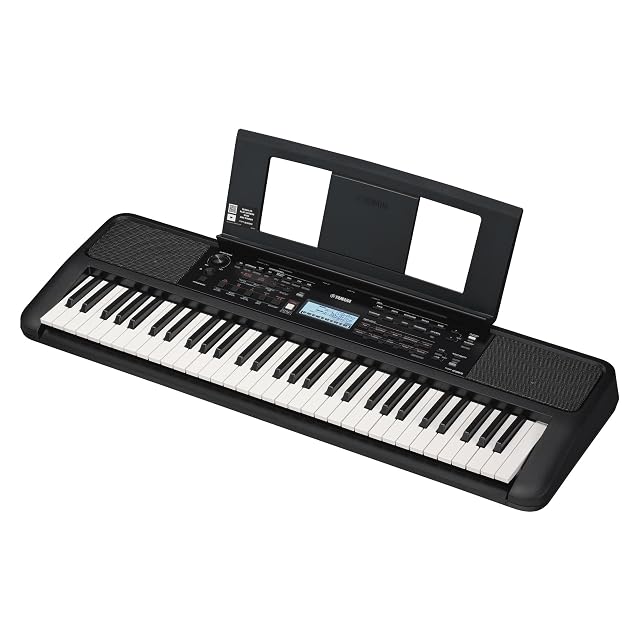
  • Yamaha PSR-E383

    61 touch-sensitive keys · 650 sounds · 260 styles · 48-note polyphony

    The arranger answer to the Casio: 650 sounds, 260 accompaniment styles, 48-note polyphony and a structured lesson system with 125 built-in songs.

    Best for: A beginner who wants to play songs with accompaniment from the first week.

    7.8/10

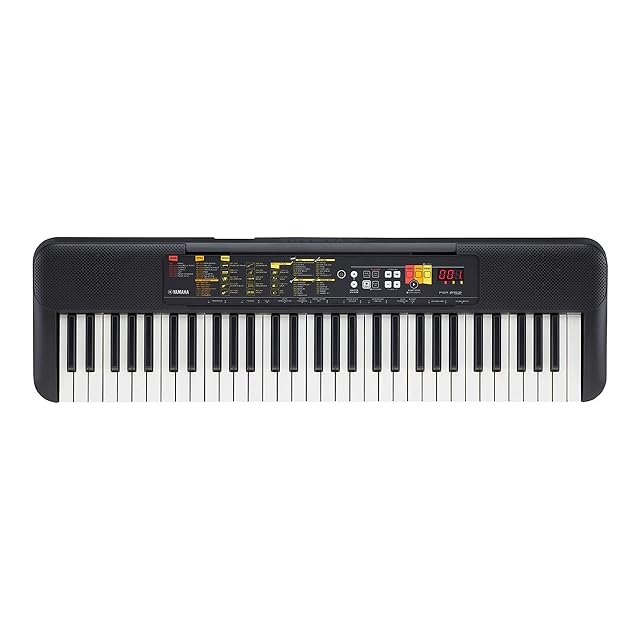
  • Yamaha PSR-F52

    61 keys · 144 sounds · 158 styles

    The simplest instrument in this group: 61 full-size keys, 144 sounds and 158 accompaniment styles, at a price where the alternative is usually a toy with 32 small keys.

    Best for: A first keyboard for a child, or a second one to leave at a grandparent’s house.

    7.2/10

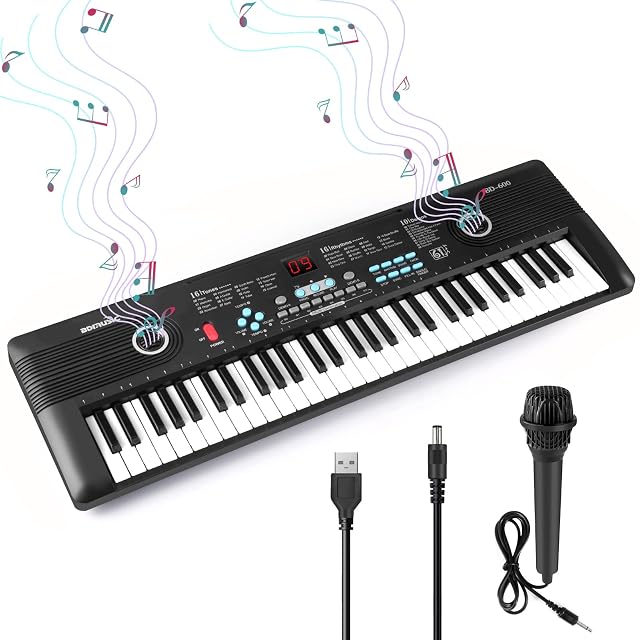
  • Egerget P8

    61 keys · microphone output and a built-in microphone · 100 tones · 4 AA batteries

    The least expensive keyboard on this shelf by a wide margin, and the only one that records a voice — a microphone output and a built-in microphone — with 100 tones, eight percussion panels and battery operation.

    Best for: A child learning at a desk, where a microphone and a set of batteries matter more than a published key size.

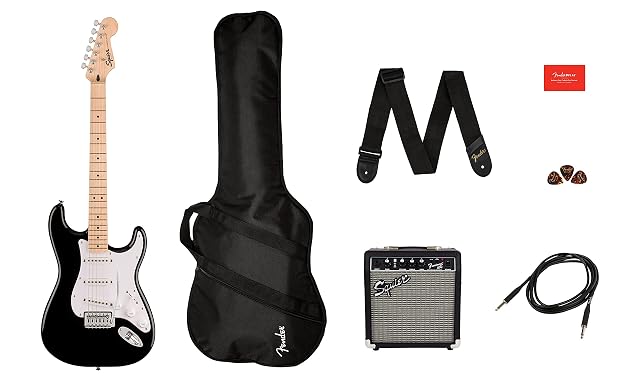
  • Squier Sonic Stratocaster Pack

    Three single coils · tremolo · Frontman 10G amp included

    The Stratocaster starter pack from Fender’s own budget brand, Squier: three single-coil pickups, a tremolo bridge, and a Frontman 10G amp with clean and overdrive channels and a headphone socket.

    Best for: A first electric that will still be worth playing in five years.

    8.3/10

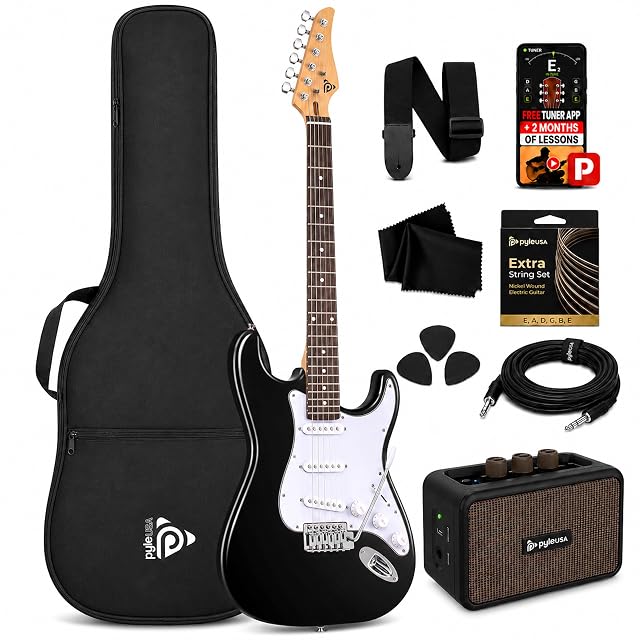
  • Pyle ST Guitar Set

    Paulownia body · 22 frets · 5 W amp with headphone out

    A lightweight starter set built around a paulownia body and a birch neck, with a 5 W amp that has a headphone output, a drive switch and volume, treble and bass controls.

    Best for: A light first guitar for a young player, practiced mostly in headphones.

    7.9/10

    ≈ $145

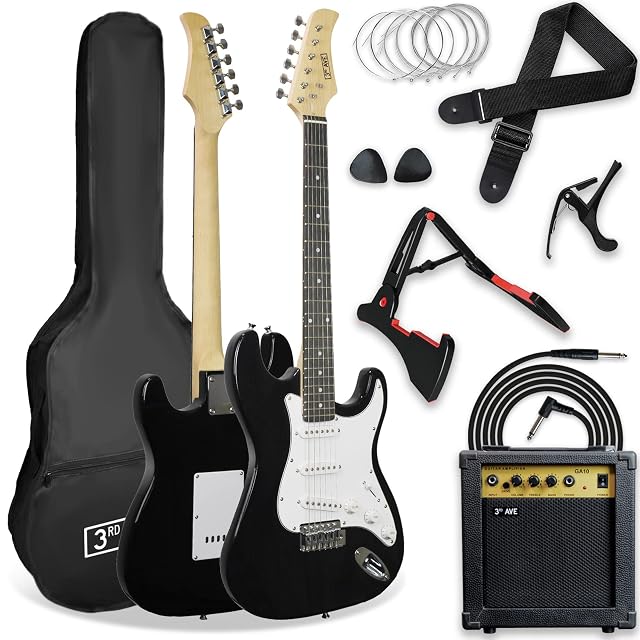
  • 3rd Avenue XF Ultimate Kit

    Full size 4/4 · fixed bridge · 10 W amp · nine accessories

    The most complete accessory list in this group: amp, tuner, cable, stand, gig bag, strap, spare strings, picks and a capo, around a full-size guitar with three single coils and a fixed bridge.

    Best for: A first electric where the accessories should not be nine separate orders.

    7.3/10

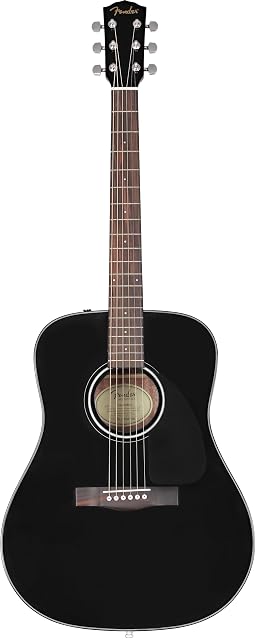
  • Fender CD-60 Dreadnought

    Dreadnought · mahogany body · walnut fingerboard · X-bracing

    Fender’s long-running beginner dreadnought: mahogany body, walnut fingerboard, X-bracing and die-cast tuners, with a two-year Fender warranty behind it.

    Best for: A first steel-string that will hold tuning while the hands are learning.

    8.4/10

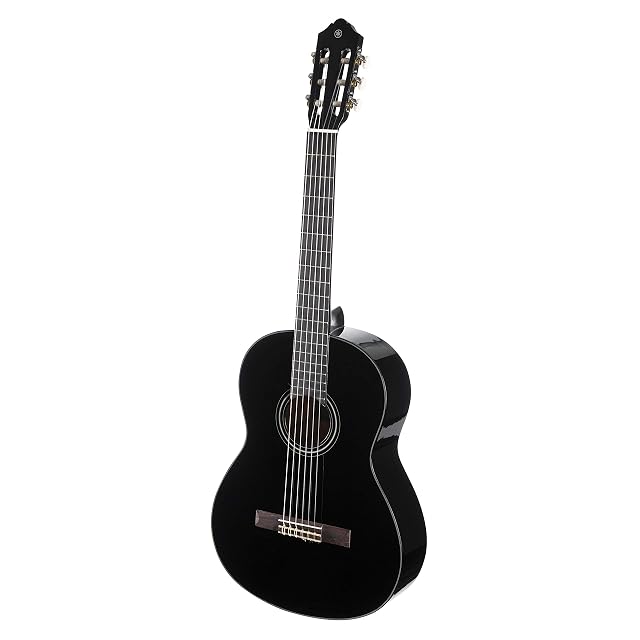
  • Yamaha C40II

    Classical · nylon strings · wider fingerboard · 4/4

    The nylon-string counterpart: a full-size classical with a wider fingerboard, spruce top and meranti back and sides — softer on the fingers and a different instrument entirely.

    Best for: Classical and fingerstyle, or anyone whose fingertips are the obstacle.

    7.8/10

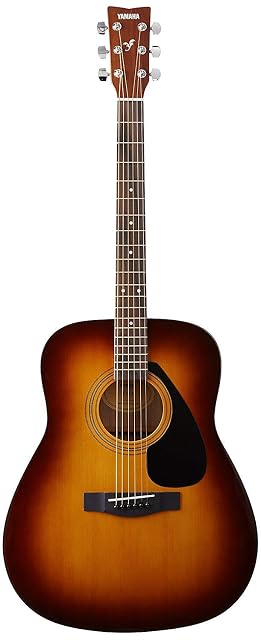
  • Yamaha F310

    Dreadnought · spruce top · rosewood fingerboard · steel strings

    The steel-string that turns up on every beginner list: spruce top, rosewood fingerboard, meranti back and sides, and chrome enclosed tuners.

    Best for: A first steel-string for an adult or teenager who wants the classic strummed sound.

    7.8/10

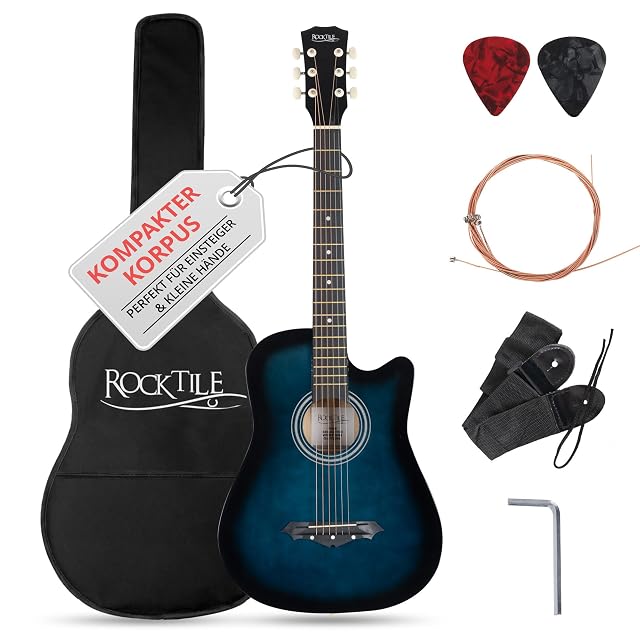
  • Rocktile WSD-5C Slim Line

    Small dreadnought · cutaway · linden body · bag and accessories

    A deliberately smaller dreadnought — shorter, narrower and about 1.5 cm (0.6 in) shallower — with a cutaway, sold with a bag, strap, spare strings, two picks and a truss-rod key.

    Best for: A younger player, a smaller frame, or a guitar that has to travel.

    7.2/10

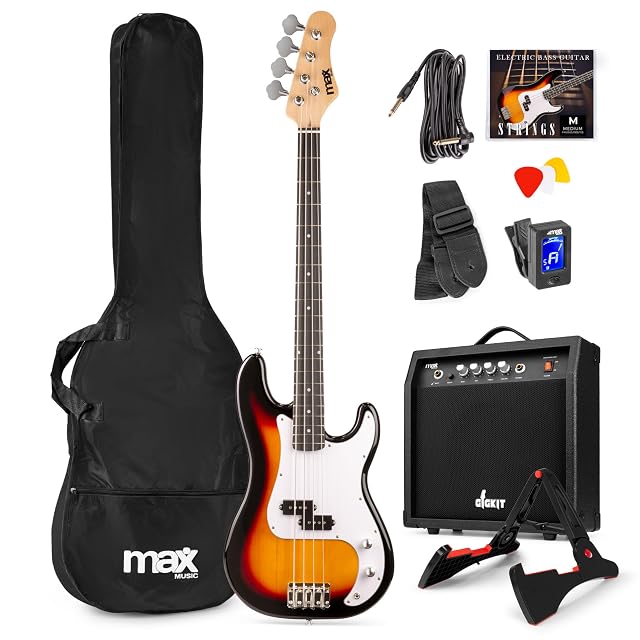
  • MAX GigKit Bass

    Full-size bass · 21 frets · 40 W amp with headphone out

    A complete bass package built around a 40 W amplifier — four times the wattage bundled with most starter kits — plus a stand, strap, 3 m (10 ft) cable, spare strings and picks.

    Best for: A first bass where the amplifier should not have to be replaced immediately.

    7.8/10

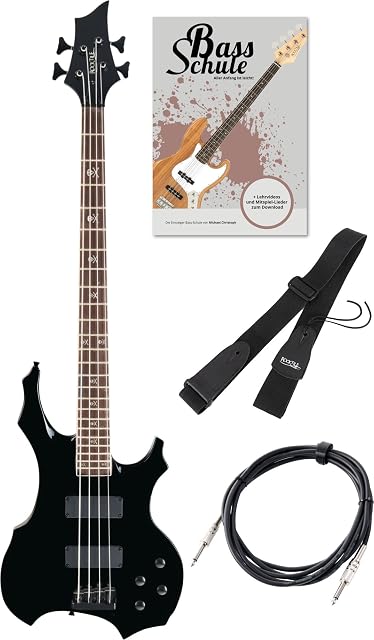
  • Rocktile Pro BB104-B BattleBone

    24 frets · two humbuckers · long scale 86.4 cm (34 in) · 3.7 kg (8.2 lb)

    The specified instrument in this family: 24 frets, two humbuckers with two volume and two tone controls, a long 86.4 cm (34 in) scale, a 43 mm (1.69 in) nut and a stated weight of 3.7 kg (8.2 lb).

    Best for: A second bass, or a first one for somebody who already has an amp.

    7.8/10

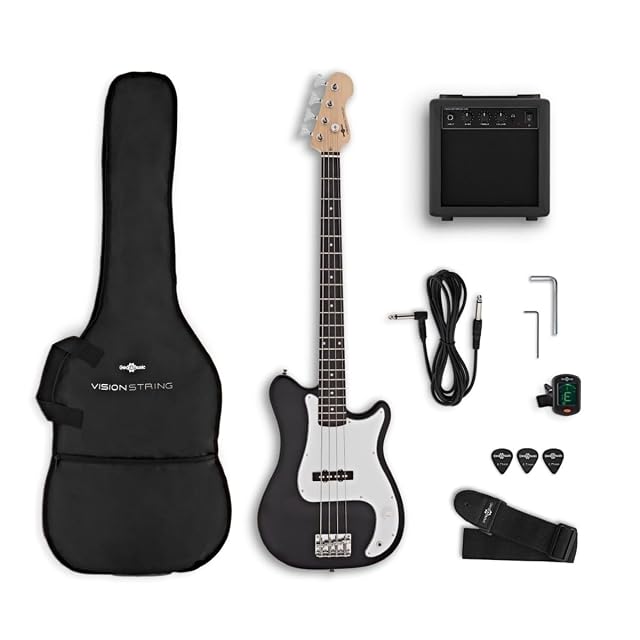
  • VISIONSTRING Full-Size Bass Pack

    Dual cutaway · 20 flat frets with markers · 10 W amp

    A beginner-focused bass: a C-shaped neck on a light body, a flat 20-fret fingerboard with clear note markers, one pickup and one volume control — deliberately as simple as possible.

    Best for: A first bass for someone who wants the fewest possible controls in the way.

    7.2/10

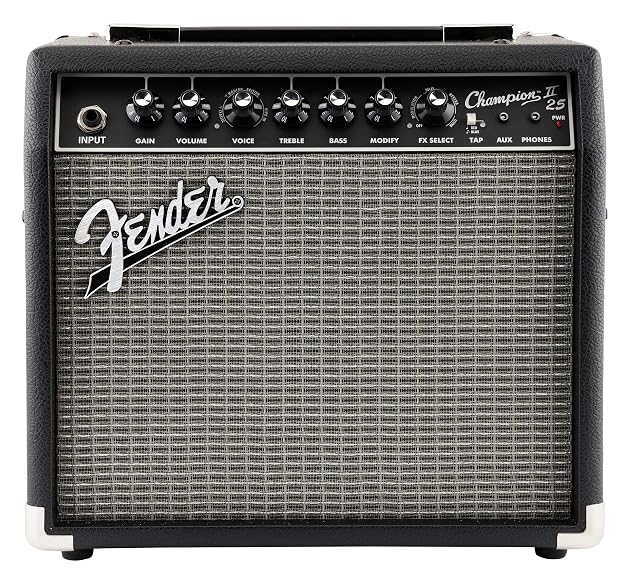
  • Fender Champion II 25

    25 W · 8" Fender speaker · built-in effects · TAP tempo

    The step up from a practice amp: 25 W through an 8-inch Fender Special Design speaker, Fender clean and overdrive voices plus British and modern distortions, and a proper effects section with tap tempo.

    Best for: A second amp, or a first one for somebody who intends to play with other people.

    8.4/10

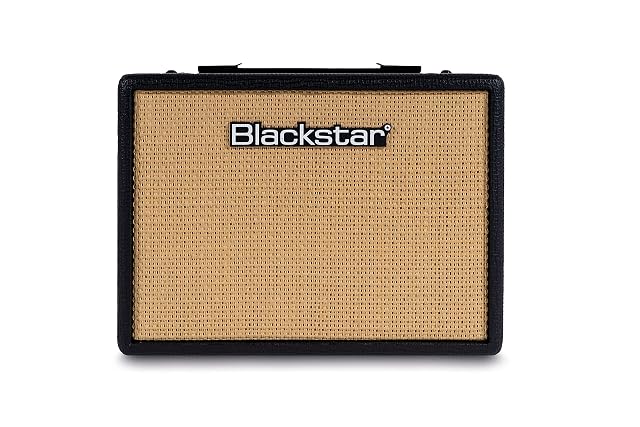
  • Blackstar Debut 15E

    15 W · ISF · delay · headphone and line in

    The 15 W Blackstar: the same ISF control and built-in delay as the Debut 10E, with half again as much power for a room that is bigger than a bedroom.

    Best for: A living-room amp that still has to be usable in headphones at night.

    7.8/10

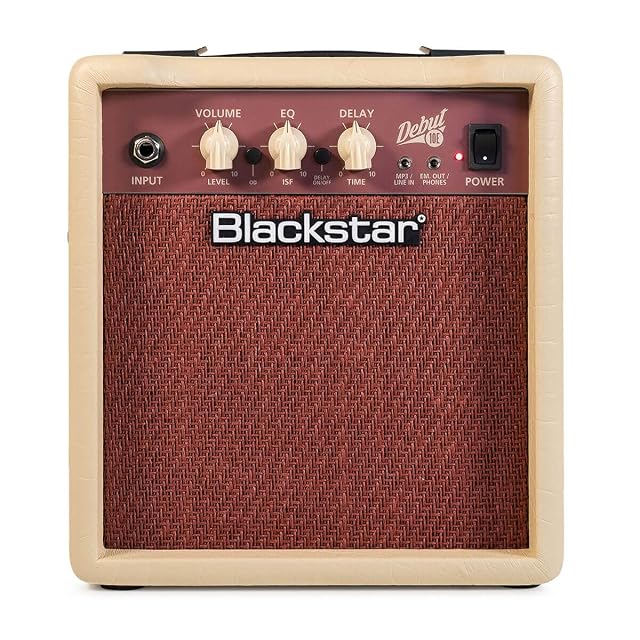
  • Blackstar Debut 10E

    10 W · ISF tone control · tape delay · headphone and line in

    The same 10 W class as the Fender, with two things it does not have: Blackstar’s ISF control, which sweeps between British and American voicings, and a built-in tape-style delay.

    Best for: A first amp for someone who already knows they want effects.

    7.2/10

    ≈ $120

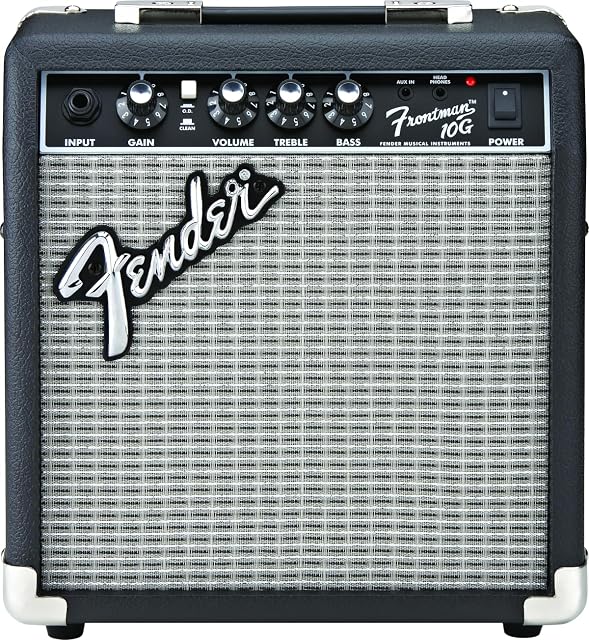
  • Fender Frontman 10G

    10 W · 6" speaker · gain and overdrive switch · headphone jack

    The practice amp that ships inside half the guitar packs on the market, sold on its own: 10 W through a 6-inch speaker, a gain control, an overdrive switch and a headphone socket.

    Best for: The first amplifier, or a spare to leave permanently plugged in somewhere.

    7.2/10

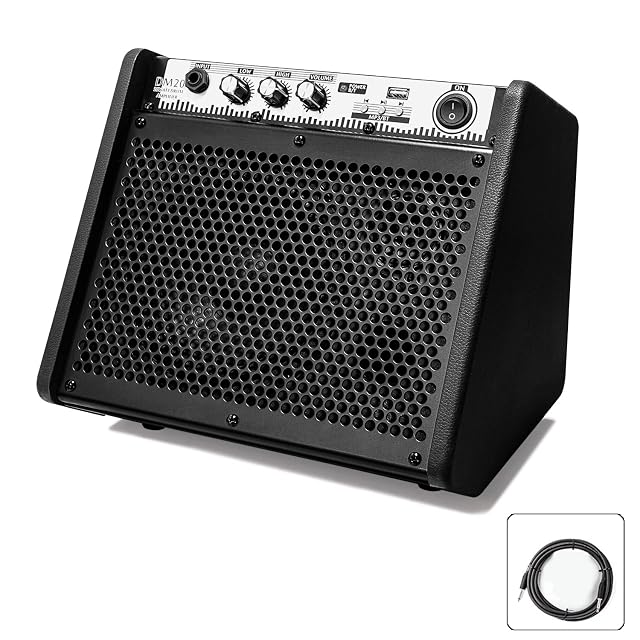
  • Coolmusic DM20

    20 W · 6.5 in woofer and 2.5 in tweeter · LOW and HIGH tone controls · 286 × 246 × 236 mm (11.3 × 9.69 × 9.29 in)

    A twenty-watt personal monitor for an electronic kit or a keyboard, with two published driver sizes, separate bass and treble controls, a slanted cabinet aimed at a seated player, and its own dimensions and weight in writing.

    Best for: A seated player — an electronic kit or a keyboard — who needs to hear themselves in a bedroom and play along to a phone.

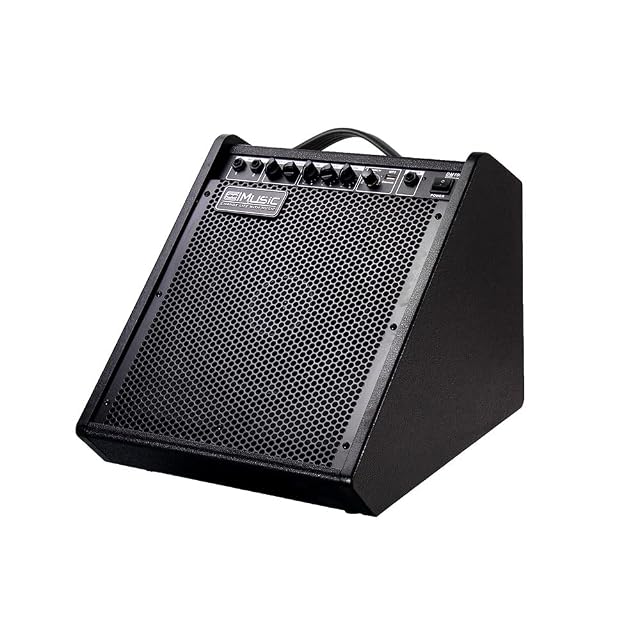
  • Coolmusic SB-122

    100 W · 10 in woofer and 3 in tweeter, coaxial · DI out · 3-band EQ · two channels

    One hundred watts through a coaxial 10-inch woofer and 3-inch tweeter, with two instrument channels, a three-band EQ and the only DI output on this shelf — which is what takes an electronic kit from a bedroom to a stage.

    Best for: An electronic kit that has to be heard in a rehearsal room and sent to a desk at the same time.

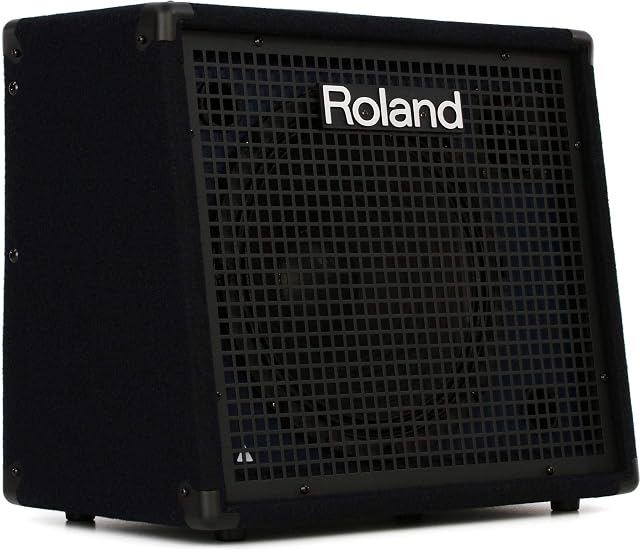
  • Roland KC-200

    100 W · 12 in woofer · four line channels · XLR mic input · metal jacks

    A keyboard amplifier with a mixer built in: four quarter-inch line channels, an XLR microphone input, a dedicated monitor channel for click and guide tracks, a 12-inch woofer and metal jacks throughout.

    Best for: A keyboard player who performs: four sources, a microphone, a click in one ear and a line out to the desk.

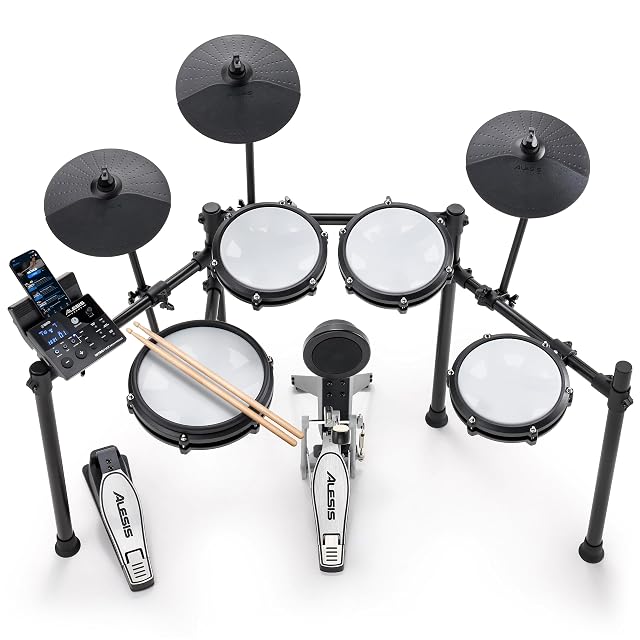
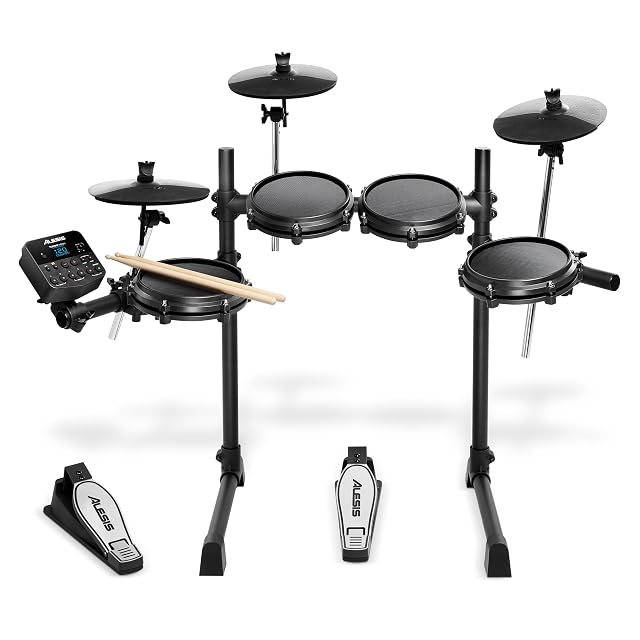
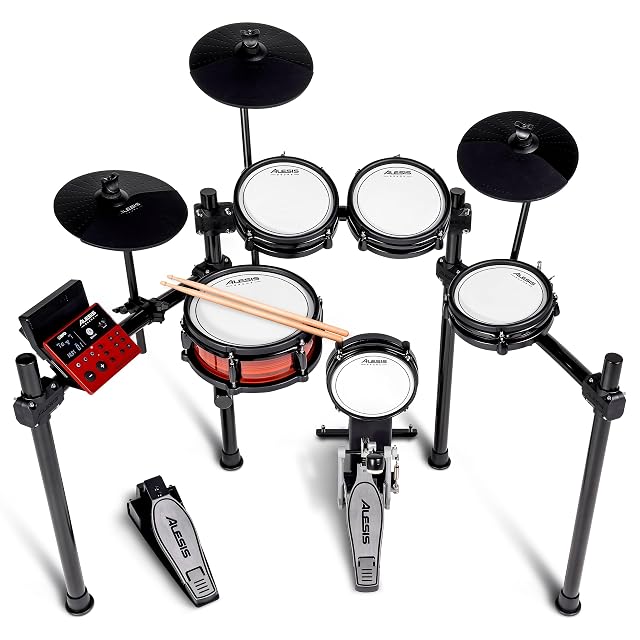
  • Alesis Nitro Max

    8-piece mesh · 10" snare · Bluetooth · BFD sounds

    An eight-piece mesh kit with a 10-inch dual-zone snare, three 8-inch toms, three cymbals and a kick tower with pedal, on a folding rack — with Zildjian cymbal samples and Bluetooth in the module.

    Best for: A serious first kit that will be recorded as well as practiced on.

    8.4/10

    ≈ $400

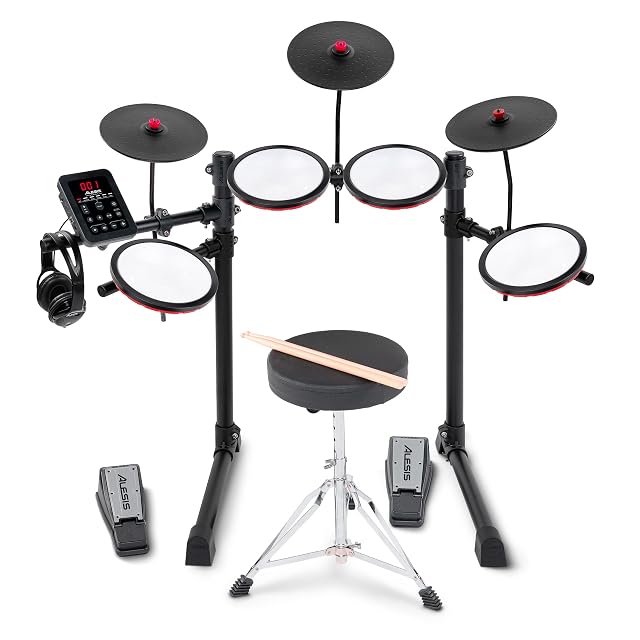
  • Alesis Turbo Mesh Kit

    7-piece mesh · 10 kits · 30 play-along tracks

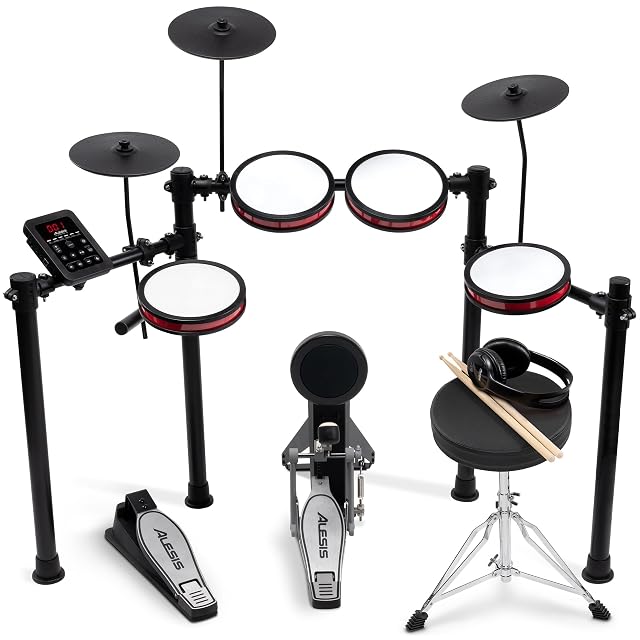
    The smaller Alesis mesh kit: an 8-inch snare, three 8-inch mesh toms, three 10-inch cymbals and Alesis-made hi-hat and kick pedals, with a steel rack and 100 free Melodics lessons.

    Best for: A first kit for a child or a beginner where mesh heads matter more than sound count.

    7.8/10

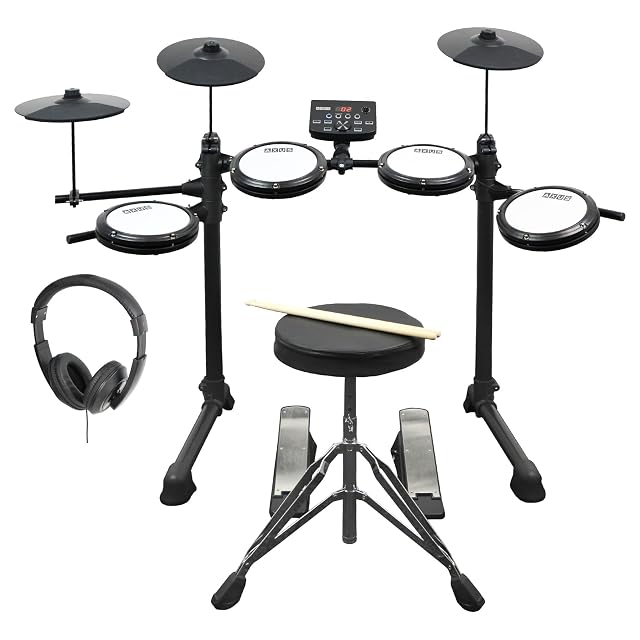
  • Axus AXK4

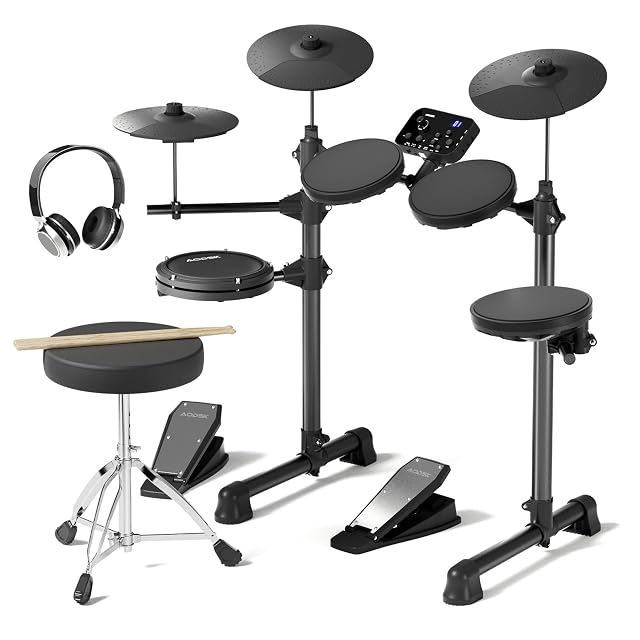
    15 sounds · mesh pads · throne and headphones · 102 × 117 cm (40.2 × 46.1 in)

    A compact mesh starter kit with published assembled dimensions — 102 cm (40.2 in) high, 117 cm (46.1 in) wide — plus a throne, headphones, sticks, a quarter-inch output and USB for recording.

    Best for: A small room where the footprint is the deciding constraint.

    7.8/10

    ≈ $725

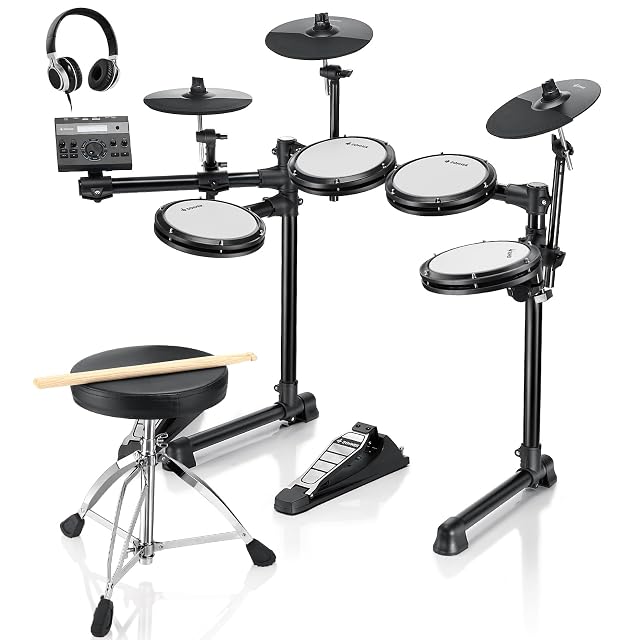
  • Donner DED-200Lite

    7-piece mesh · 450 sounds · throne and headphones included

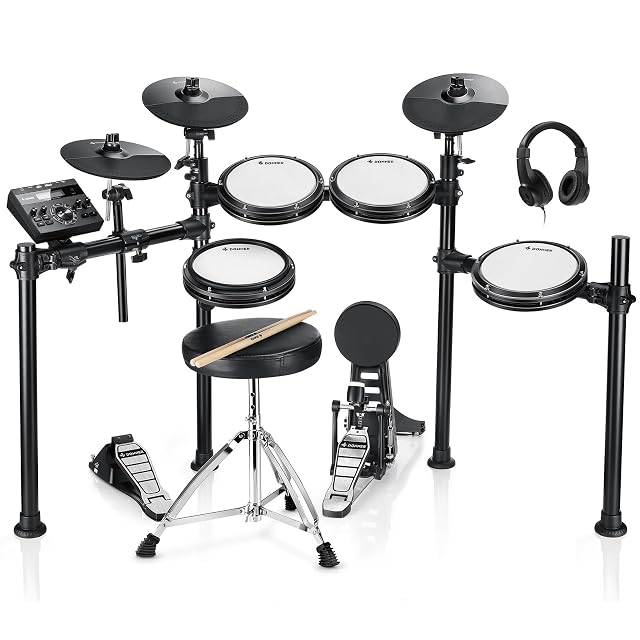
    A seven-piece mesh kit sold as a complete package — throne, headphones and sticks included — with 450 sounds, 31 kits, USB-MIDI and 40 Melodics lessons.

    Best for: A complete first setup in a flat, bought as one order.

    7.8/10

    ≈ $300

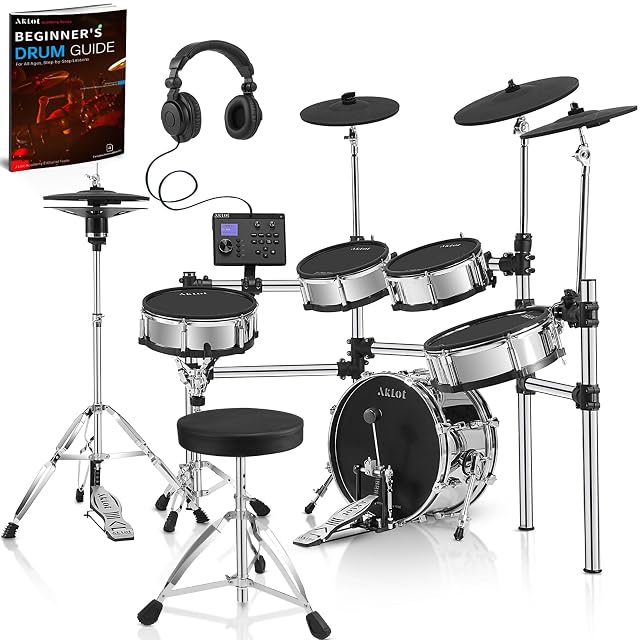
  • AKLOT B-Core543GEN

    16 in wooden kick · 12 in wooden snare · two-piece hi-hat · silicone cymbals · 460 voices

    The only kit on this shelf with wooden shells: a 16-inch wooden kick drum, a 12-inch dual-zone wooden snare and a genuine two-piece hi-hat with separate top and bottom cymbals.

    Best for: A drummer moving from an acoustic kit who wants the shells, the snare size and the hi-hat action to feel like the one they left.

  • Alesis Nitro Pro

    8-piece mesh · 10 in dual-zone snare · 10 in choke cymbals · 500+ sounds · Zildjian

    The best-specified Alesis on this shelf: a 10-inch dual-zone deep mesh snare, three 10-inch cymbals with choke on ride and crash, a double-kick-capable tower, 36 BFD kits and over 500 sounds.

    Best for: A player past the first year who wants a 10-inch snare, choke cymbals and a path into recording.

  • Alesis Turbo Max

    7-piece mesh · Bluetooth · throne and headphones included · 100 Melodics lessons

    A seven-piece mesh kit with Bluetooth for playing along, twist-tension drumheads, a throne, headphones and sticks in the box, and 100 Melodics lessons kept for good.

    Best for: A first kit that arrives complete, where Bluetooth play-along and an adjustable head feel matter more than pad size.

  • Alesis Turbo Pro

    8-piece mesh · kick tower and pedal · every connector listed · 90 Drumeo lessons

    An eight-piece mesh kit with a real kick tower and pedal, and the only listing on this shelf to name every socket on the module — DB25 snake, headphone, aux, quarter-inch TRS out and USB-B.

    Best for: A beginner who wants a real kick action and needs to know in advance what the module will plug into.

  • AODSK UAED-400

    4 × 6.5 in pads · 3 × 10 in cymbals · 150 sounds · foldable

    The least expensive kit on this shelf: four 6.5-inch pads, three 10-inch cymbals, two pedals and 150 sounds in a foldable frame — and the only kit here whose pads are not published as mesh.

    Best for: A first kit for a child where the price and the folding frame decide it, and recording is not yet the point.

  • Donner DED-200

    8-piece mesh · dual-zone snare · two choke cymbals · double-pedal kick

    The full version of a kit also published here in Lite form: eight pieces with a dual-zone snare, two cymbals with choke, a kick compatible with a double pedal, and the same 450-sound module.

    Best for: A player who wants choke cymbals and a dual-zone snare without reaching the six-hundred-dollar kits.

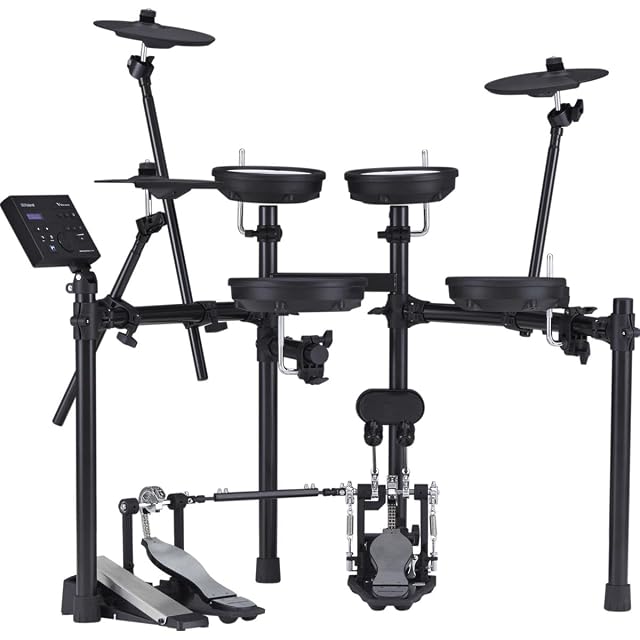
  • Roland TD-07DMK

    Double-ply mesh · 8 in dual-zone snare · 30 multi-effects · pedal, throne and sticks NOT included

    The only kit on this shelf that publishes what is missing: the kick pedal, the throne and the sticks are sold separately, and Roland prints it twice. Double-ply mesh, a dual-zone snare and 30 multi-effects.

    Best for: A player who already owns a pedal, a throne and sticks, and wants Roland pads and editing depth.

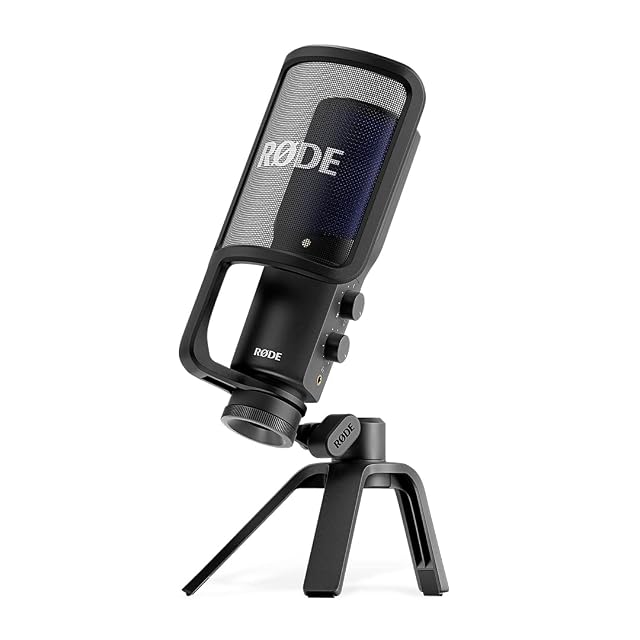
  • RØDE NT-USB+

    USB condenser · Revolution preamp · zero-latency monitoring

    The larger USB RØDE: a premium condenser capsule with the ultra-low-noise Revolution preamp, zero-latency headphone monitoring and DSP that can be driven from RØDE Connect.

    Best for: A voice that will be recorded regularly, in a room that has had some treatment.

    8.4/10

    ≈ $170

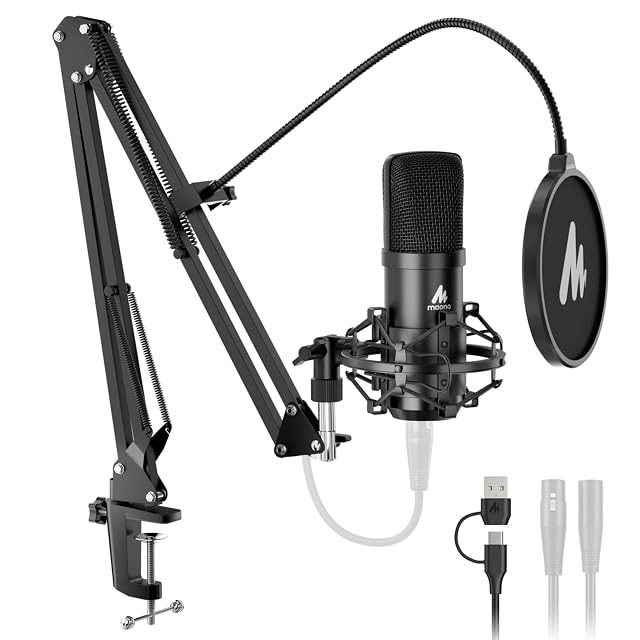
  • MAONO A04 Gen2

    USB and XLR · 192 kHz/24-bit · software control · kit

    A microphone that goes both ways: USB for plug-and-play now, XLR for an interface later. MAONO states 192 kHz/24-bit and supplies a boom arm kit, pop filter and windscreen.

    Best for: Someone who will start on USB and knows an interface is coming.

    7.8/10

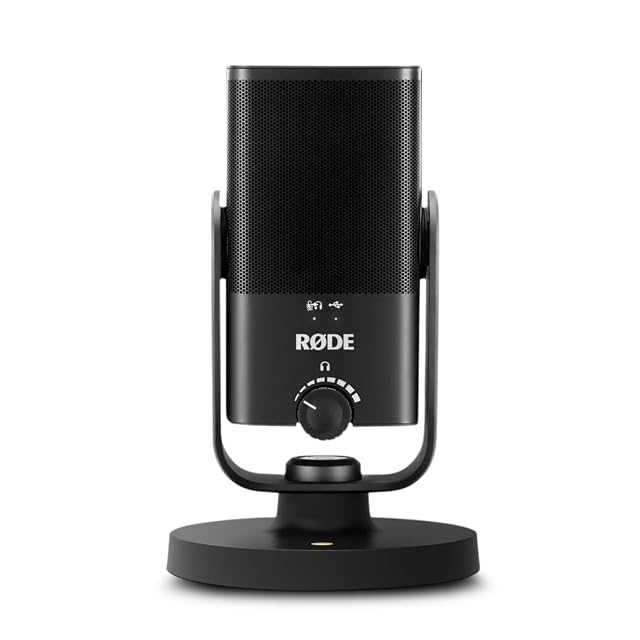
  • RØDE NT-USB Mini

    USB condenser · 24-bit/48 kHz · headphone out · magnetic base

    A complete recording chain in one small body: condenser capsule, 24-bit/48 kHz interface, zero-latency headphone output and a detachable magnetic desk stand. Class compliant, so nothing is installed.
    Best for: Podcasting, streaming and demos where the whole chain should be one object.

    7.8/10

    ≈ $105

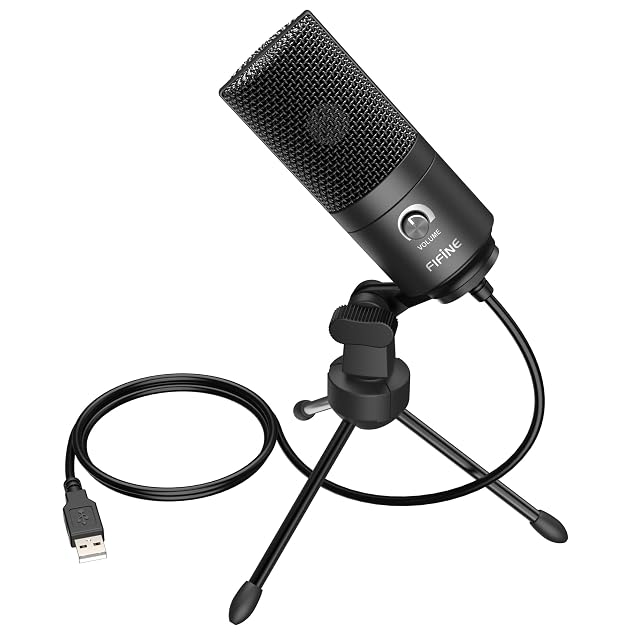
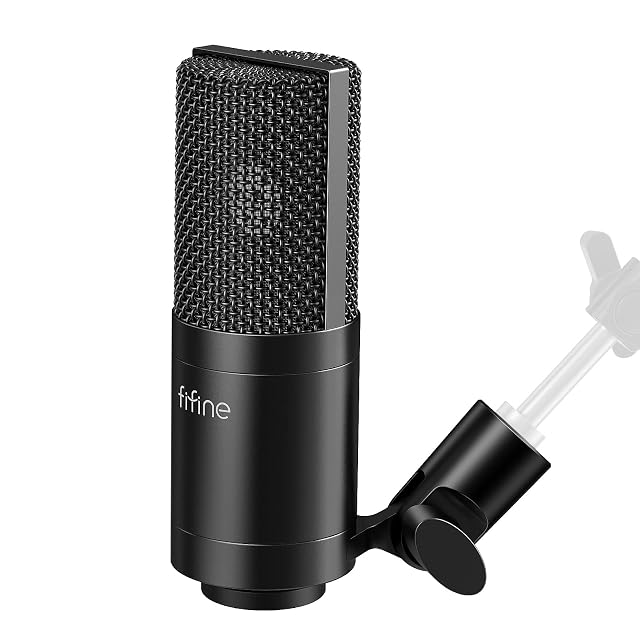
  • FIFINE 800669

    USB condenser · cardioid · tripod included · volume knob

    A metal-bodied USB condenser with a tripod stand and its own volume control, sold at a price where the alternative is usually a headset. Cardioid, and stated as PC, Mac, PS4 and PS5 compatible.

    Best for: A first microphone for calls, streaming and rough demos on a computer.

    7.2/10

    ≈ $55

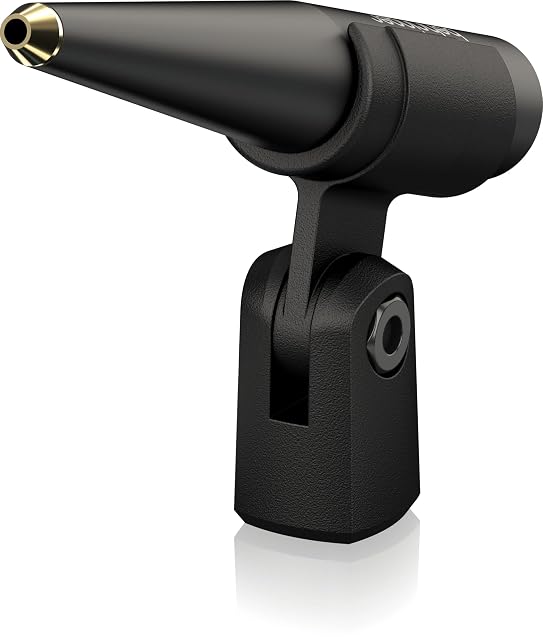
  • Behringer ECM PRO

    One bullet, and it is the title repeated

    The thinnest listing on this shelf by a distance: a condenser microphone whose single bullet is its own title, with no pattern, no diaphragm, no sensitivity, no SPL and no power requirement published anywhere.

    Best for: A buyer who already knows this microphone, because the listing answers nothing about it.

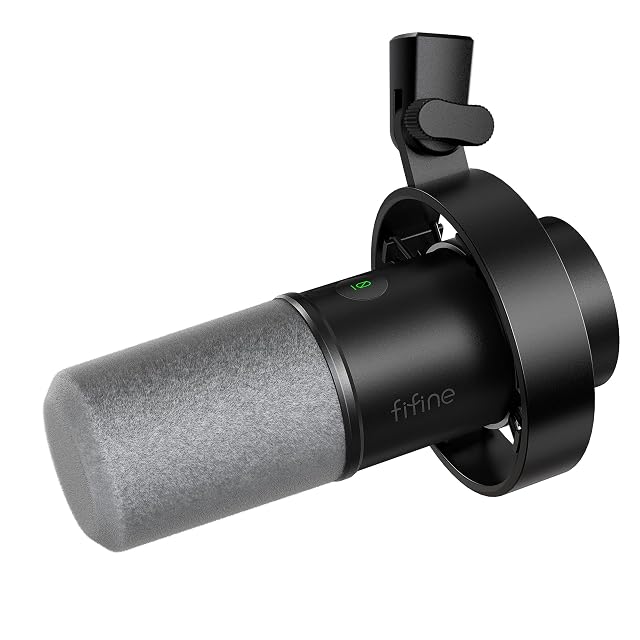
  • FIFINE AmpliTank K688

    Dynamic · XLR and USB · S/N above 80 dB · 130 dB SPL · tap-to-mute · headphone monitoring

    A dynamic microphone with both XLR and USB outputs, a signal-to-noise ratio above 80 dB, a 130 dB maximum SPL, tap-to-mute and gain on the body, and a 3.5 mm (0.14 in) headphone socket with its own volume control.

    Best for: A podcast or a stream that starts on USB and moves to an interface later, where the mute button needs to be a button.

  • FIFINE K669C

    XLR condenser · 16 mm (0.63 in) diaphragm · −43 dB · 130 dB max SPL · tripod included

    The least expensive XLR microphone here, and one of only two that publish a sensitivity figure: 16 mm (0.63 in) diaphragm, −43 dB, 130 dB maximum SPL, an all-metal body and a metal tripod in the box.

    Best for: A first XLR microphone for someone who already owns an interface and a cable, and wants figures rather than adjectives.

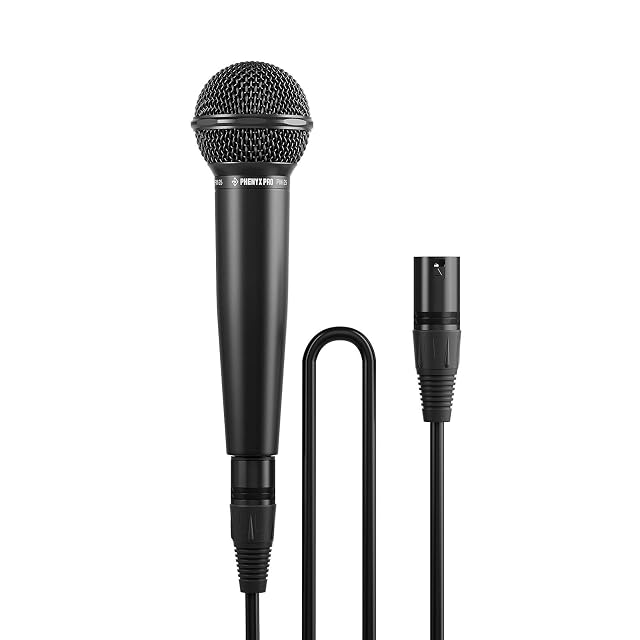
  • Phenyx Pro PM-25

    Cardioid dynamic · −50 ± 2 dB · 260 Ω · 5 m (16 ft) XLR cable included

    The only microphone here that arrives with its XLR cable — five meters of it — and the only one to publish an impedance: a cardioid dynamic at −50 ± 2 dB and 260 Ω, in a full-metal body with a clip and a bag.

    Best for: A voice or a stage where the cable, the clip and the bag should not be three further orders.

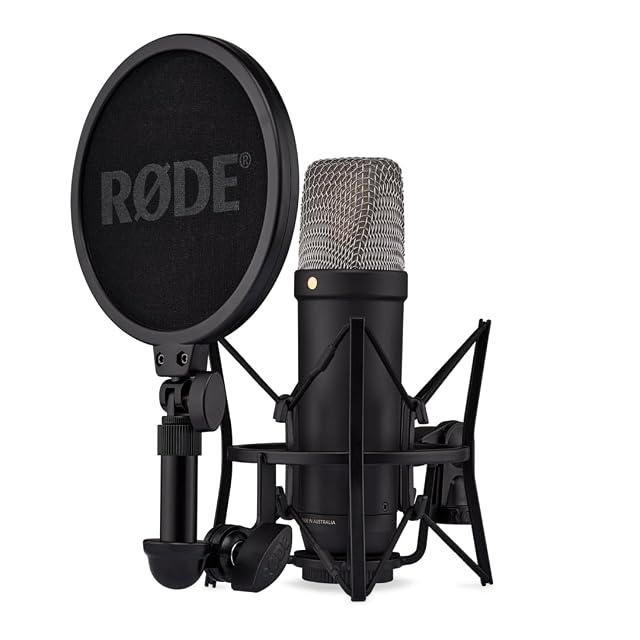
  • RØDE NT1 5th Gen

    XLR and USB-C · 192 kHz conversion · Revolution preamp · ceramic-coated aluminum

    The most expensive microphone here and the only one with 32-bit-era conversion on board: a studio condenser with both XLR and USB-C, the maker’s Revolution preamp, 192 kHz analog-to-digital conversion and a machined aluminum body under a ceramic coating.

    Best for: A voice that will be recorded for years, where the one microphone has to work on a laptop today and an interface later.

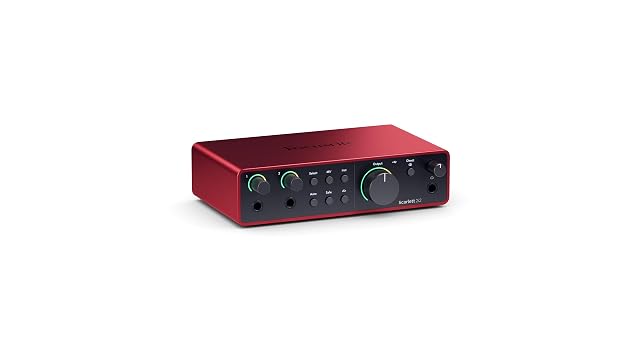
  • Focusrite Scarlett 2i2 (4th Gen)

    Two preamps · Auto Gain · Clip Safe · 120 dB

    Two microphone preamps rather than one, plus Auto Gain to set levels and Clip Safe to stop a take being destroyed by a loud moment. The interface most home studios settle on and stop replacing.

    Best for: Anyone who will ever record two things at the same time.

    8.4/10

    ≈ $220

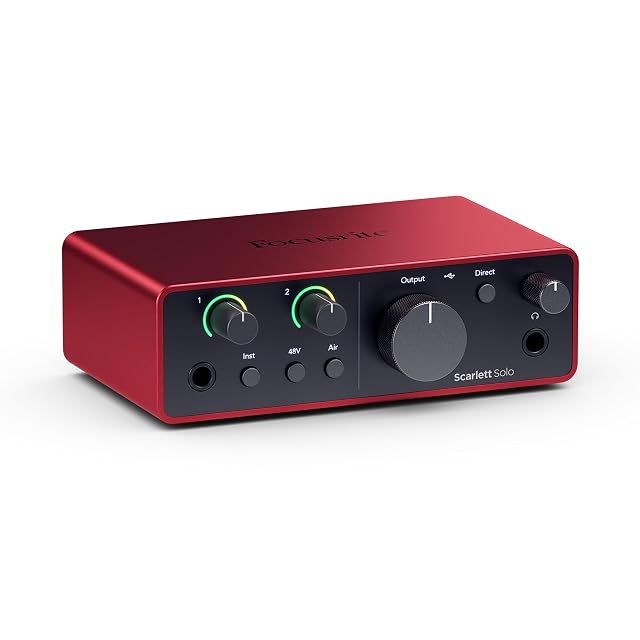
  • Focusrite Scarlett Solo (4th Gen)

    2 in / 2 out · 120 dB dynamic range · Air mode

    One microphone preamp and one instrument input, with the same 120 dB converters Focusrite puts in its larger interfaces, an Air mode for presence, and a software bundle that is a large part of the value.

    Best for: A songwriter recording one part at a time who wants room to grow.

    7.8/10

    ≈ $130

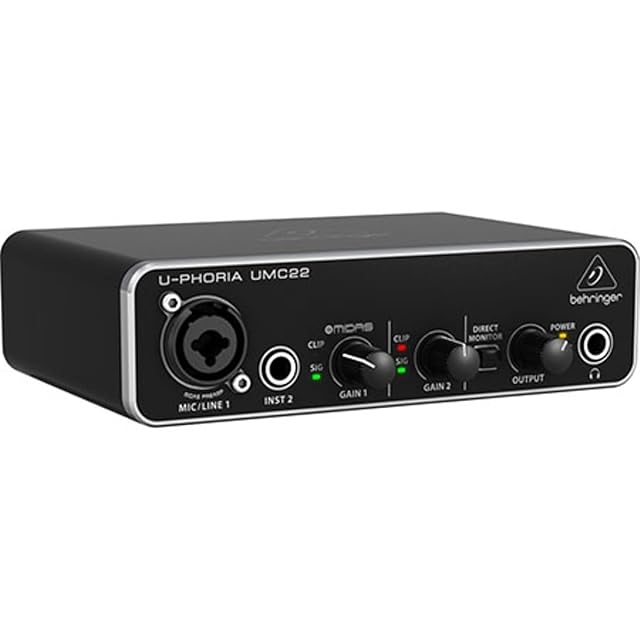
  • Behringer UMC22

    2×2 · Midas preamp · 48 kHz · USB powered

    The cheapest honest way into recording: one XLR/TRS combo input with a Midas-designed preamp, a separate instrument input, direct monitoring and USB power. Forty-eight kilohertz, and no pretense beyond it.

    Best for: A first interface for one voice or one instrument at a time.

    7.2/10

    ≈ $53

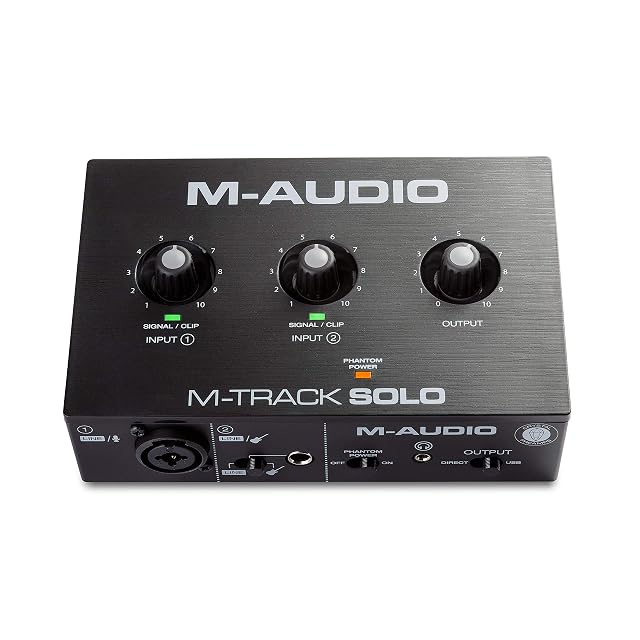
  • M-Audio M-Track Solo

    48 kHz · combo XLR/line · RCA outputs · USB powered

    A compact 48 kHz interface with a combo XLR input carrying phantom power, a separate line/instrument input, RCA outputs and a USB/Direct switch for latency-free monitoring.

    Best for: A desktop setup feeding powered speakers through RCA rather than through balanced jacks.

    7.2/10

    ≈ $49

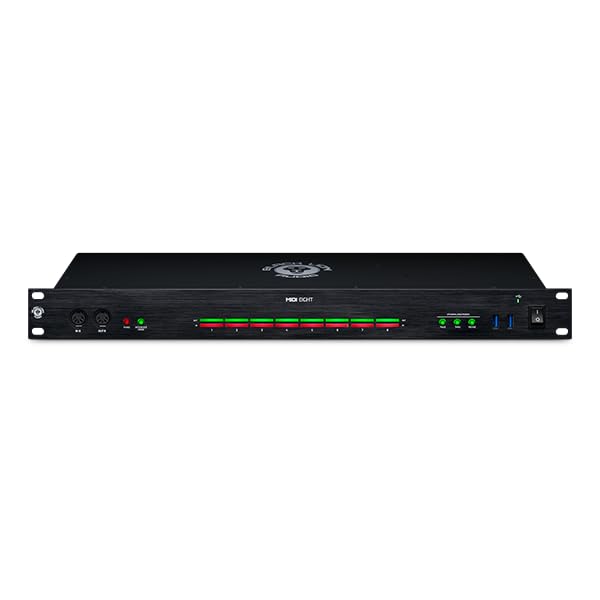
  • Black Lion Audio MIDI Eight

    No audio at all · 8 in / 8 out MIDI · three standalone routing modes

    The one listing on this shelf that passes no audio: an 8-in, 8-out MIDI interface with three standalone routing modes, per-port activity indicators and front-mounted sockets.

    Best for: A studio with more than two MIDI instruments, where the problem is routing rather than recording.

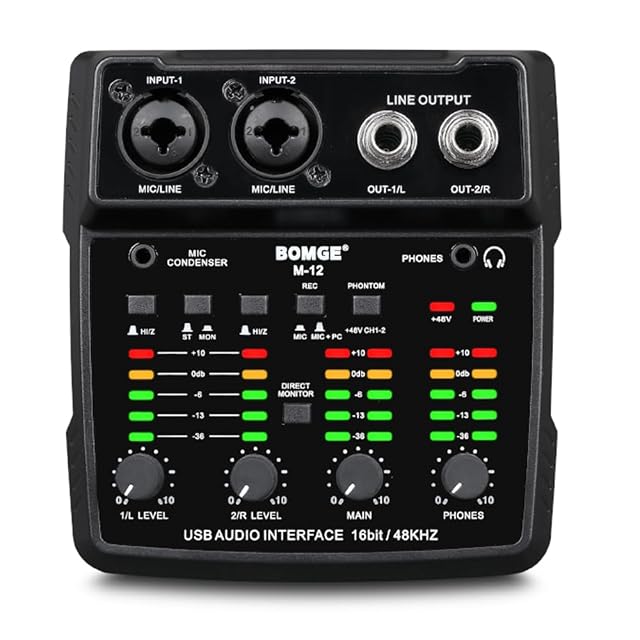
  • BOMGE M12

    2 channels · 48 V phantom power · gain meter −36 to 10 dB · 3.5 mm (0.14 in) mic input

    The least expensive interface on this shelf by a wide margin, with two XLR inputs, 48 V phantom power, a published gain-meter range of −36 to 10 dB, and an extra 3.5 mm (0.14 in) microphone jack.

    Best for: A first interface for someone who already has recording software and wants two XLR inputs for the least money.

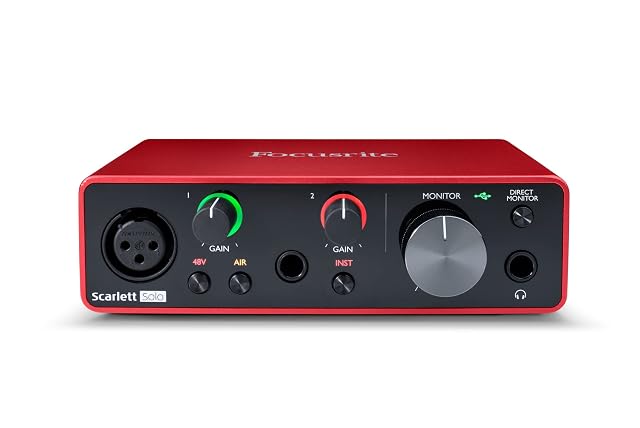
  • Focusrite Scarlett Solo (3rd Gen)

    24-bit/192 kHz · Air mode · Gain Halos · three-year warranty

    The previous generation of the Solo, publishing 24-bit/192 kHz and a three-year warranty — the only warranty period on this shelf — with the Air mode and the same software bundle as the current model.

    Best for: The same recording chain as the current Solo at a lower price, for someone who does not need the newest converters.

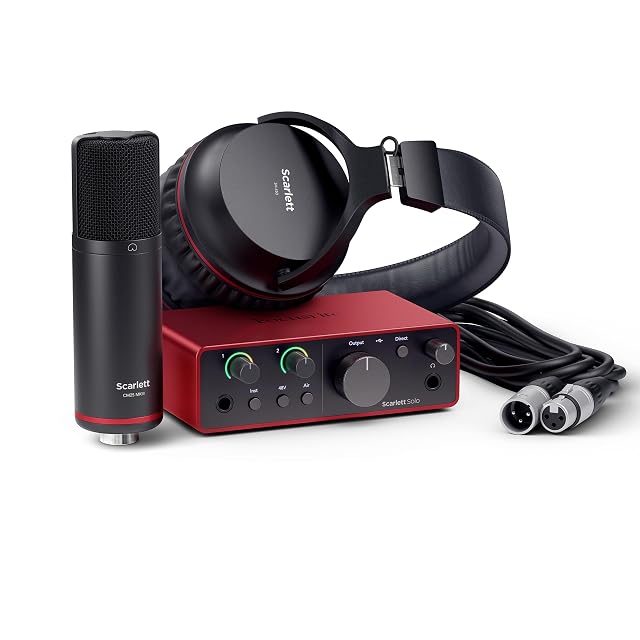
  • Focusrite Scarlett Solo Studio (4th Gen)

    A bundle: the Solo 4th Gen, a CM25 MkIII microphone and SH-450 headphones

    Not an interface but a package: the Solo 4th Gen already published here, plus the CM25 MkIII condenser microphone and the SH-450 headphones, with the same 120 dB converters and the same software.

    Best for: A first recording setup where one order beats three, and the microphone and headphones do not need to be chosen.

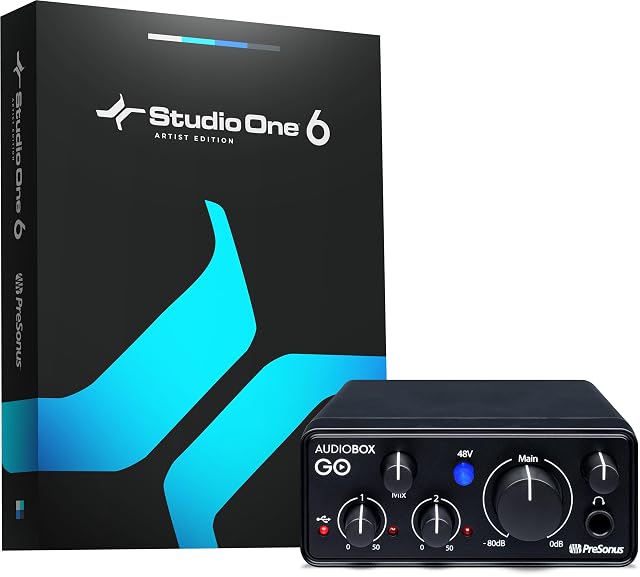
  • PreSonus AudioBox GO

    XMAX-L preamp with 50 dB of gain · 24-bit/96 kHz · bus powered · Studio One included

    The only interface here to publish how much gain its preamp has — 50 dB, adjustable, with switchable 48 V — in a bus-powered USB-C box with 24-bit/96 kHz converters and Studio One Prime included.
    Best for: Recording a voice and a guitar on a laptop, a tablet or a phone, where the gain figure matters more than the sample rate.

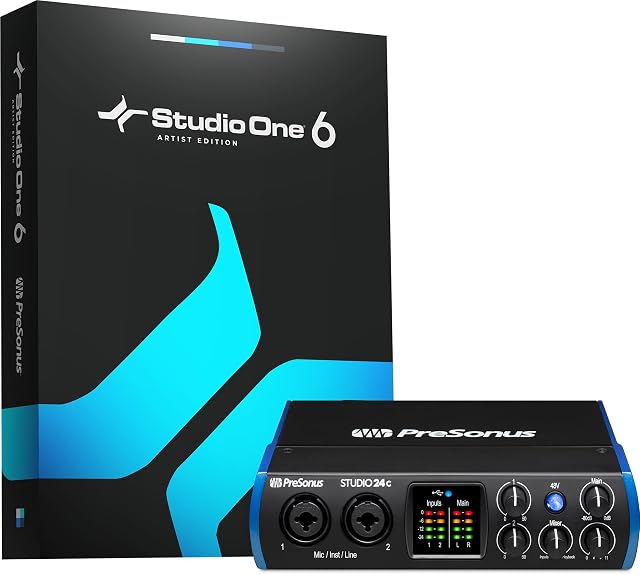
  • PreSonus Studio 24c

    Six sample rates published to 192 kHz · two XMAX-L preamps · MIDI In/Out · four LED meters

    The most completely specified interface on this shelf: six sample rates listed to 192 kHz, two XMAX-L preamps, MIDI In and Out, four ladder LED meters, front-panel output levels and both USB-C cables in the box.

    Best for: A home studio with two sources, a MIDI keyboard and a pair of monitors, where the figures should be on the page.

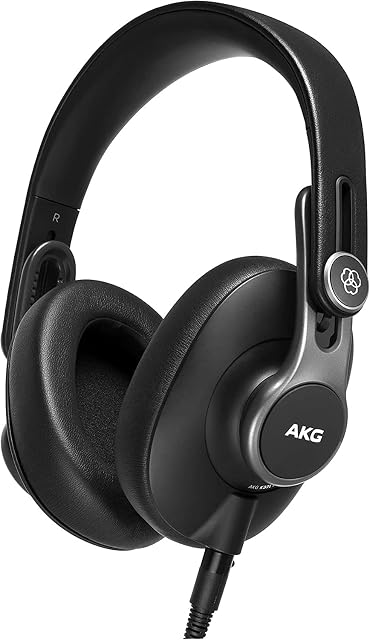
  • AKG K371

    Closed back · 50 mm (1.97 in) drivers · 32 ohms · foldable

    AKG’s closed-back reference: 50 mm (1.97 in) drivers, 32 ohms and a stated 114 dB SPL/V sensitivity, tuned towards the AKG Reference Response curve. Low impedance, so it also works from a laptop.

    Best for: One pair for recording and for checking a mix, driven from an interface or a laptop.

    8.4/10

    ≈ $190

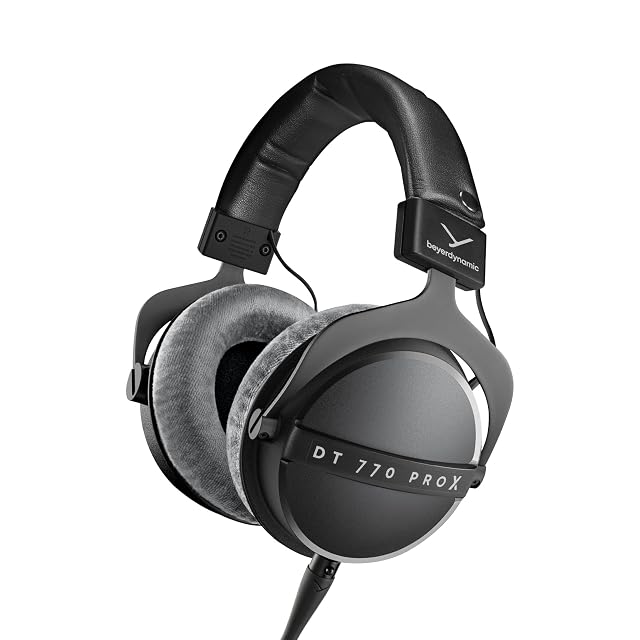
  • beyerdynamic DT 770 PRO X

    Closed back · STELLAR.45 driver · detachable cable

    The closed-back studio standard, rebuilt around beyerdynamic’s STELLAR.45 driver and given a detachable cable. Made in Germany, and designed to be worn for hours rather than minutes.

    Best for: Recording, where leakage into the microphone is the thing that ruins takes.

    8.4/10

    ≈ $230

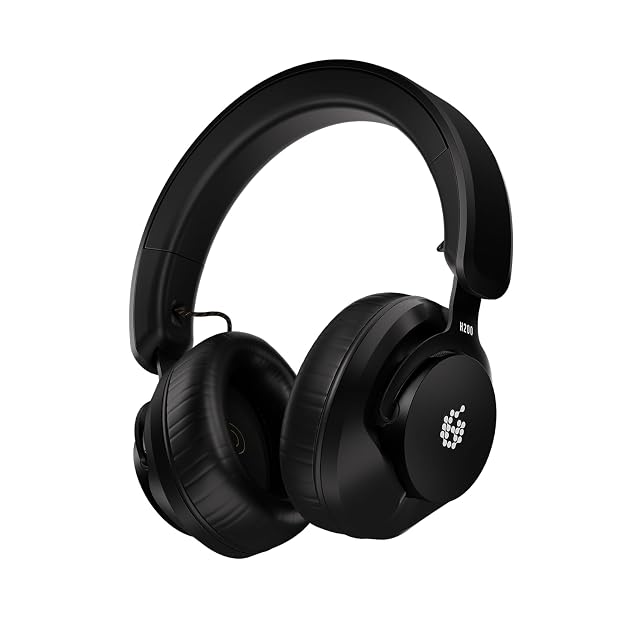
  • ADAM Audio H200

    Closed back · 40 mm (1.57 in) PEEK drivers · DAW plug-in included

    Berlin-designed closed backs with 40 mm (1.57 in) PEEK drivers, a stated 2 Hz – 23.5 kHz response and 112.5 dB SPL, plus a Headphone Utility plug-in with crossfeed for the DAW.

    Best for: Mixing on headphones, where crossfeed makes a stereo image less exhausting.

    7.8/10

    ≈ $180

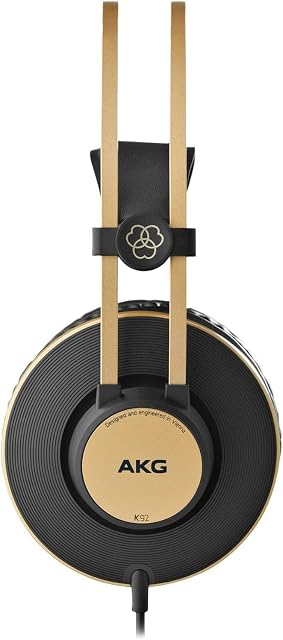
  • AKG K92

    Closed back · 40 mm (1.57 in) drivers · low impedance

    The cheapest way into closed-back monitoring here. AKG states 40 mm (1.57 in) drivers, a low impedance chosen so phones and interfaces can drive it, and replaceable earpads at a price where that is unusual.

    Best for: A second pair, a practice pair, or a first pair on a strict budget.

    7.2/10

    ≈ $70

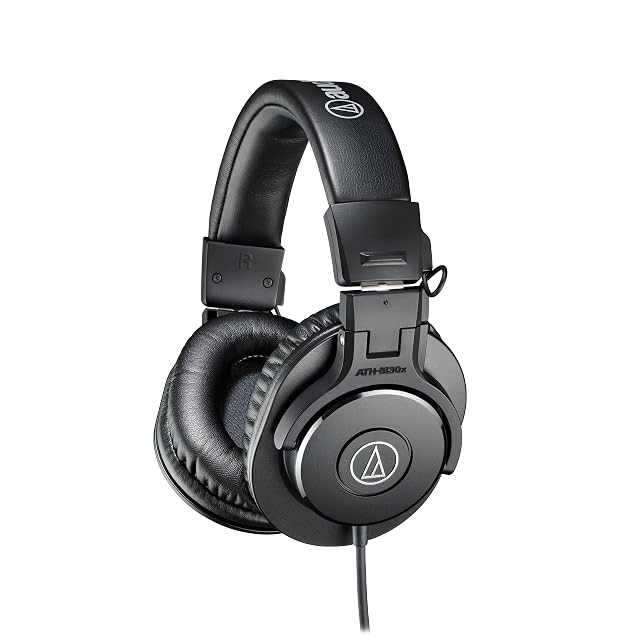
  • Audio-Technica ATH-M30x

    40 mm (1.57 in) drivers · rare-earth magnets · copper-clad aluminum voice coils · collapsible

    The only American listing here to name what its voice coils are made of — copper-clad aluminum wire over rare-earth magnets — in a collapsible closed-back with a single-side cable exit.

    Best for: Tracking and everyday monitoring where isolation matters and the pair will be folded into a bag.

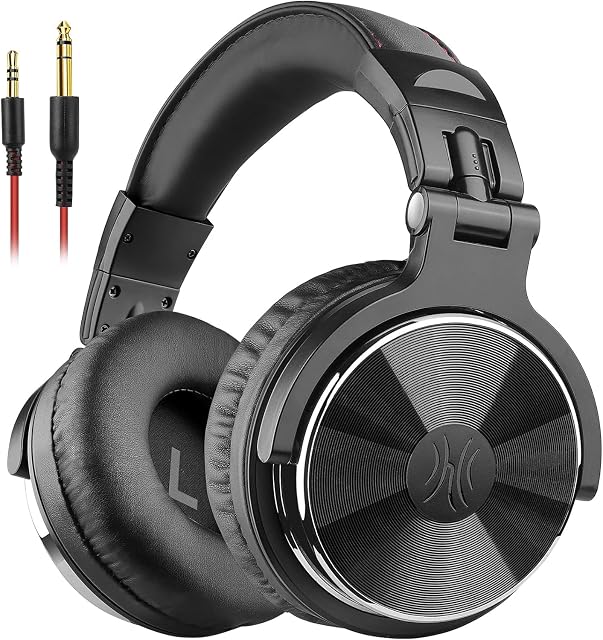
  • OneOdio Pro-10

    50 mm (1.97 in) drivers · neodymium magnets · shared audio port · 90° swivel

    One of two pairs here with 50 mm (1.97 in) drivers, and one of two with a shared audio port: a second pair plugs into the first with no splitter, and the cups swivel 90 degrees for single-ear monitoring.

    Best for: Two people working from one laptop, where the second pair should not need a splitter.

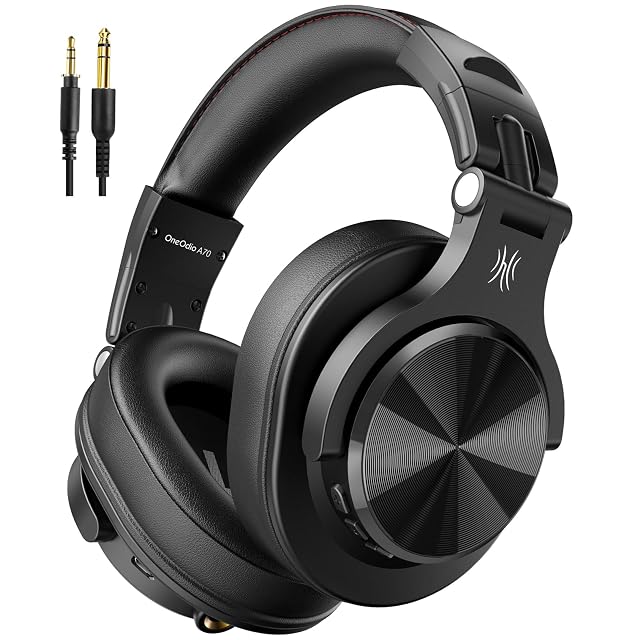
  • OneOdio A70

    72 h wireless · two cables supplied · jack lock · 40 mm (1.57 in) neodymium drivers

    The only pair here that works without a cable: 72 hours of wireless playtime, two wired cables in the box including a 3.5-to-6.35 mm (1.38 in) lead, a locking jack and a built-in microphone for calls.

    Best for: A pair that monitors on a cable at the desk and plays music on the train, where 72 hours means not thinking about charging.

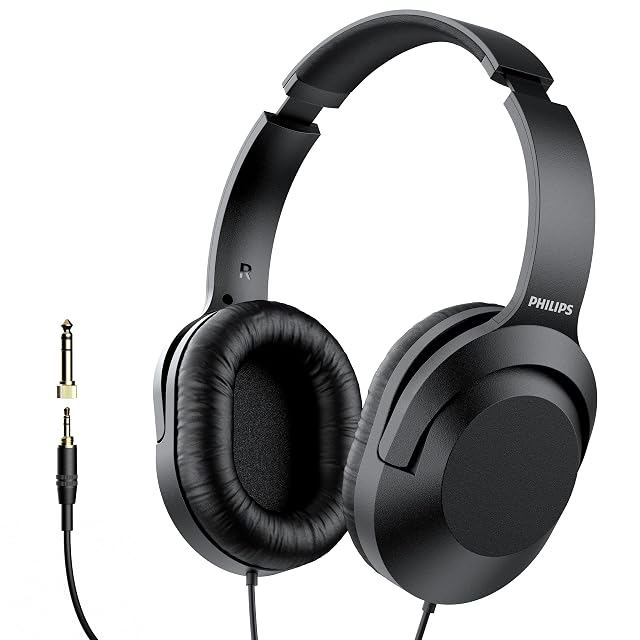
  • Philips P2000

    40 mm (1.57 in) drivers · 2 m (7 ft) cable · snap-on 6.3 mm (0.25 in) adapter · 90° rotating cups

    The least expensive pair here: 40 mm (1.57 in) drivers, a 2 m (7 ft) cable with a snap-on quarter-inch adapter, and earcups that rotate 90 degrees for one-ear monitoring.

    Best for: A first monitoring pair for a keyboard or an interface, where the adapter should already be attached.
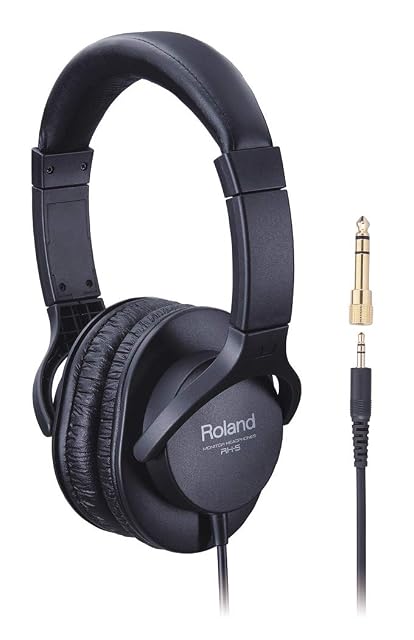
  • Roland RH-5

    40 mm (1.57 in) drivers · closed back · conversion plug included · a troubleshooting bullet

    The entry model of Roland’s RH range, published for digital pianos, synths and electronic drums, with a conversion plug in the box — and a sixth bullet that is a troubleshooting note rather than a feature.
    Best for: A digital piano or an electronic drum kit at home, where the quarter-inch socket is the one that matters.

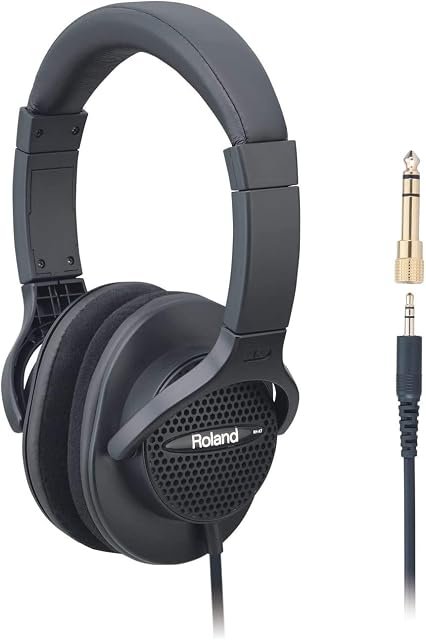
  • Roland RH-A7-BK

    The only open-back pair here · 40 mm (1.57 in) drivers · suede earpads · published for teaching

    The only open-back pair on this shelf, and the only listing to say what an open design is for: it lets a student hear the teacher’s instructions while playing. Suede earpads, 40 mm (1.57 in) drivers, a breathable fit.

    Best for: A piano lesson, or hours of practice where hearing the room matters more than keeping it out.

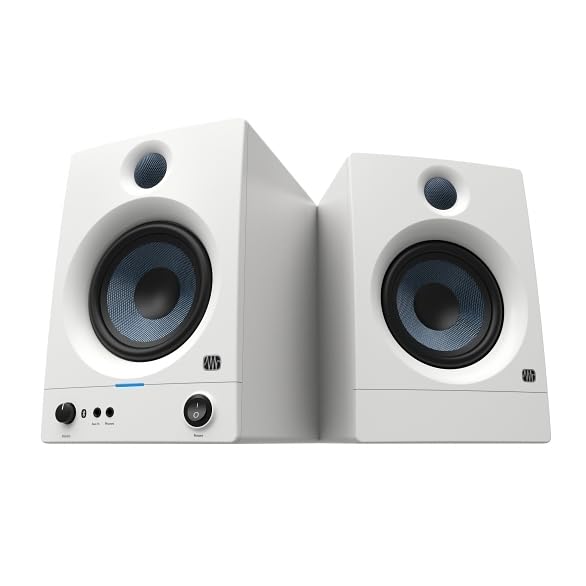
  • PreSonus Eris 5BT Gen 2

    Pair · 5" woofer · 100 W · Bluetooth · headphone out

    The largest monitors in this group: 5-inch woofers, 1-inch tweeters, 100 W total, with RCA and 6.35 mm (0.25 in) TRS inputs, a headphone output and Bluetooth streaming.

    Best for: A room with a meter or so behind the speakers, doing both music production and listening.

    8.4/10

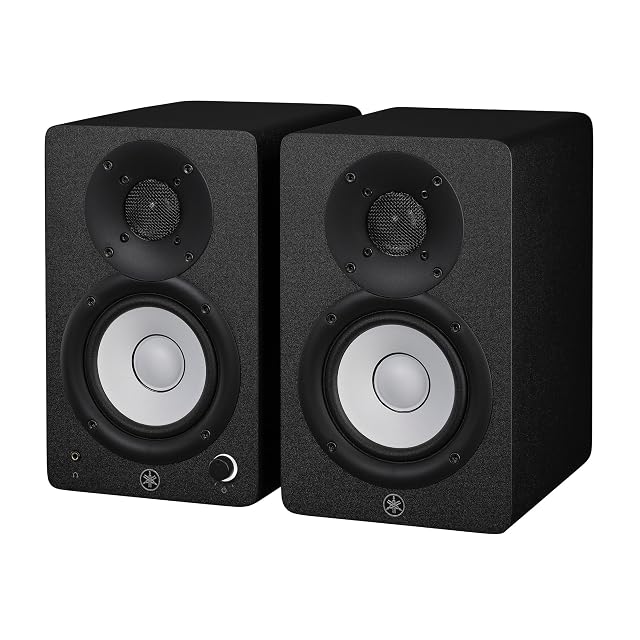
  • Yamaha HS4

    Pair · 4.5" woofer · 60 Hz – 22 kHz · room control

    Sold as a pair, unlike much of this category: 2-way bass-reflex monitors with a 4.5-inch woofer, a stated 60 Hz – 22 kHz response, 102 dB SPL maximum, and ROOM CONTROL and HIGH TRIM switches on the back.

    Best for: A small room where the speakers have to sit near a wall.

    8.4/10

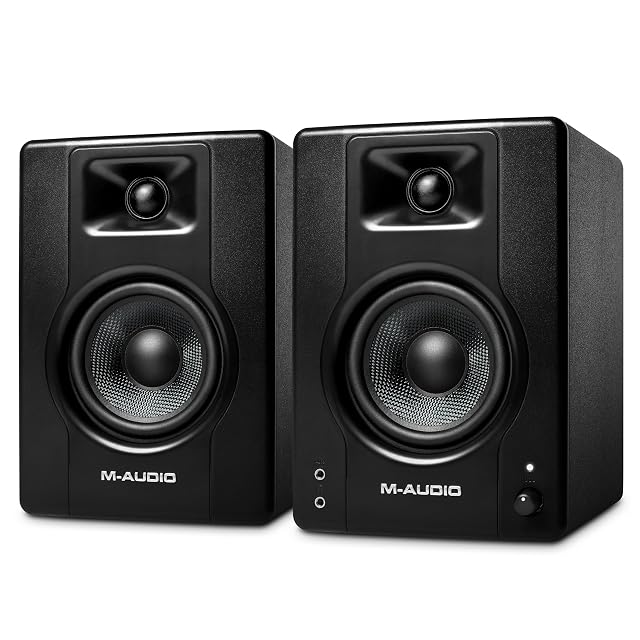
  • M-Audio BX4

    Pair · 4.5" Kevlar woofer · rear 6.3/3.5/RCA · front aux

    A bi-amplified desktop pair with 4.5-inch black Kevlar woofers and silk dome tweeters, in MDF cabinets, with three rear input types, front-panel aux and rear high/low EQ.

    Best for: A first pair of desktop monitors where nothing else should have to be bought.

    7.8/10

    ≈ $140

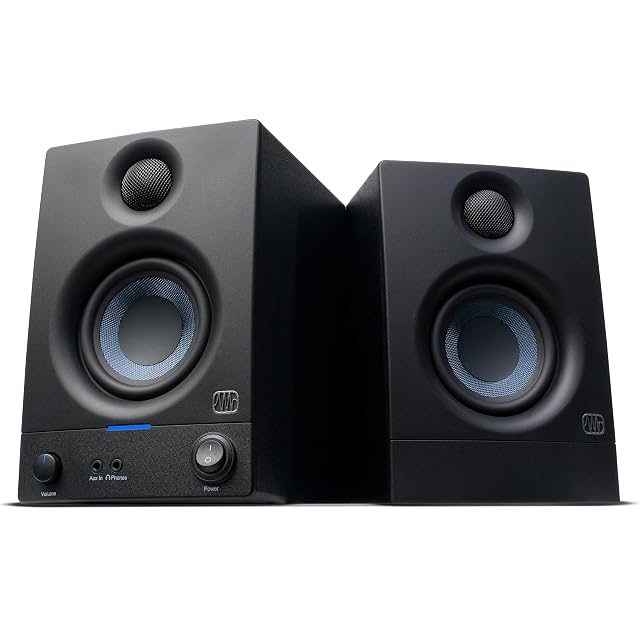
  • PreSonus Eris 3.5 Gen 2

    Pair · 3.5" woofer · 50 W · front headphone jack

    The desktop pair: 3.5-inch woven composite woofers, 1-inch silk dome tweeters, 50 W total, 80 Hz – 20 kHz, with acoustic tuning controls and a headphone socket on the front panel.

    Best for: A desk where space is the binding constraint and headphones are the main tool anyway.

    7.2/10

    ≈ $260

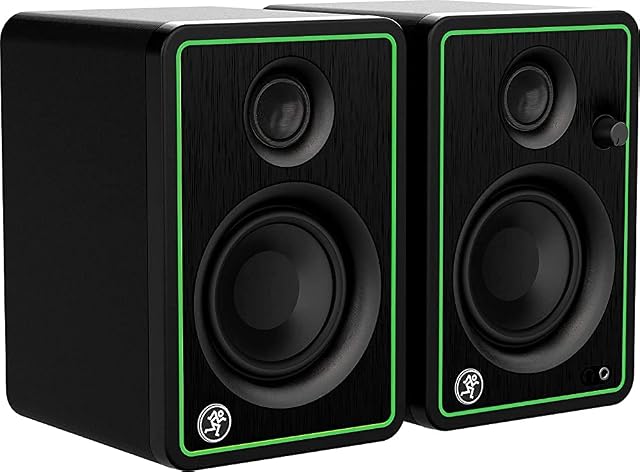
  • Mackie CR3-X

    3 in drivers · 50 W · headphone jack that mutes the speakers · 1/4 in, 1/8 in and RCA

    The only pair here whose front headphone socket switches the speakers off by itself — on 3-inch drivers, 50 watts, three input types and cables in the box.

    Best for: A desk where the headphones and the speakers share one source and get swapped a dozen times a day.

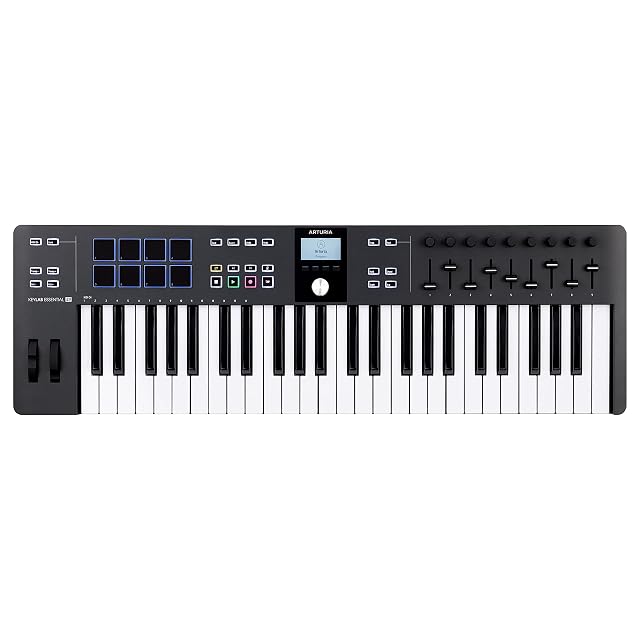
  • Arturia KeyLab Essential 49 mk3

    49 keys · 9 knobs · 9 faders · 8 pads · chord and scale modes

    A full-width controller: 49 keys, nine knobs, nine faders, pitch and modulation wheels, eight pads, and creative tools including Chord Play and a scale mode.

    Best for: A permanent desk setup where the controller is also the mixing surface.

    8.4/10

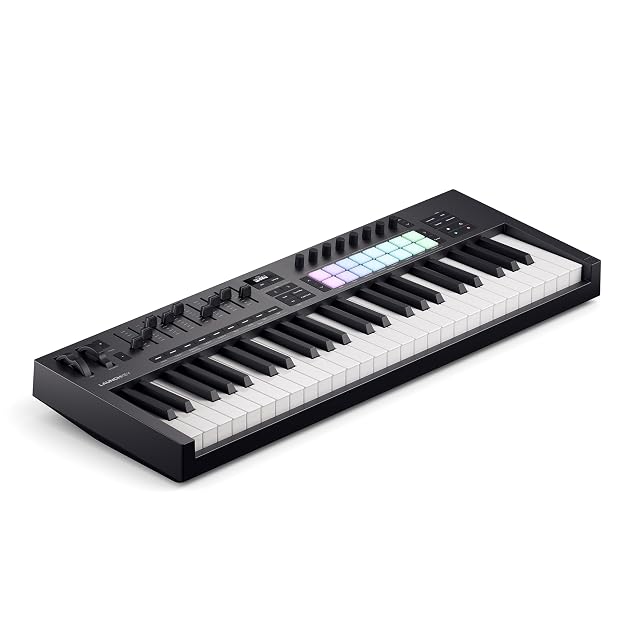
  • Novation Launchkey 49 MK4

    49 keys · USB MIDI · deep Ableton integration

    Novation’s 49-key controller, built around integration with a DAW rather than around a control count — the fourth generation of a design aimed squarely at Ableton Live users.

    Best for: Someone already working in a DAW who wants the hardware to match it.

    8.4/10

    ≈ $280

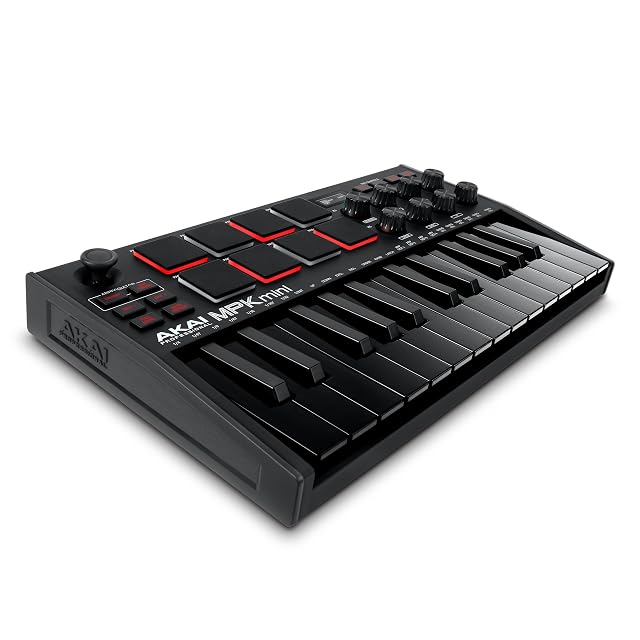
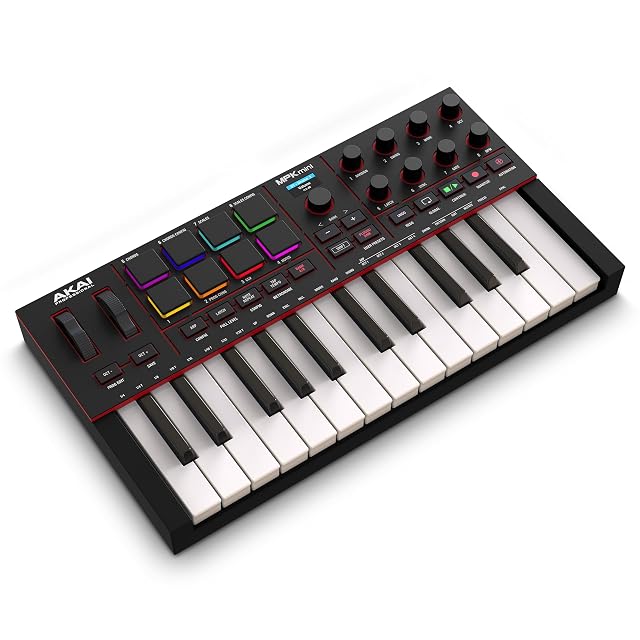
  • Akai Professional MPK Mini MK3

    25 mini keys · 8 pads · 8 knobs · thumbstick · NKS

    The default small controller: 25 velocity-sensitive mini keys, eight backlit MPC pads, eight 360-degree knobs, a four-way thumbstick, an arpeggiator and NKS integration.

    Best for: Beat making and production on a laptop, where pads matter as much as keys.

    7.8/10

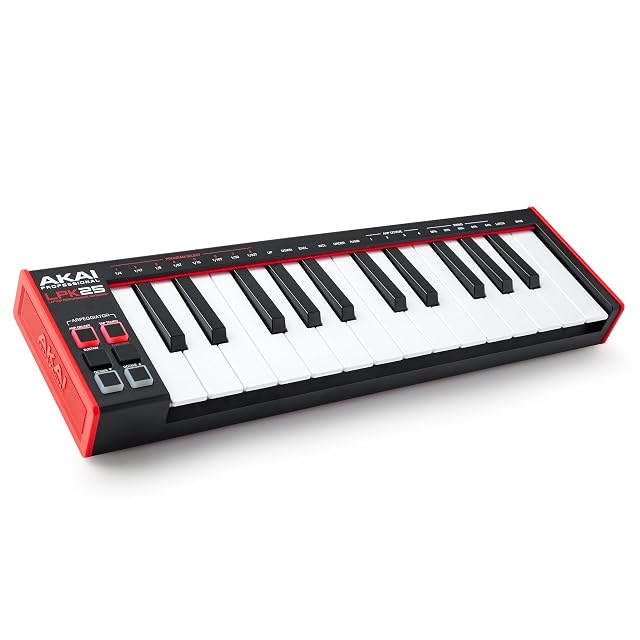
  • Akai Professional LPK25

    25 mini keys · arpeggiator · 8 preset slots · USB powered

    The smallest way to get keys next to a laptop: 25 responsive mini keys, octave buttons, a sustain button, a built-in arpeggiator with clock, and eight programmable preset slots.

    Best for: Writing parts on a laptop, on a desk with no room for anything larger.

    7.2/10

    ≈ $59

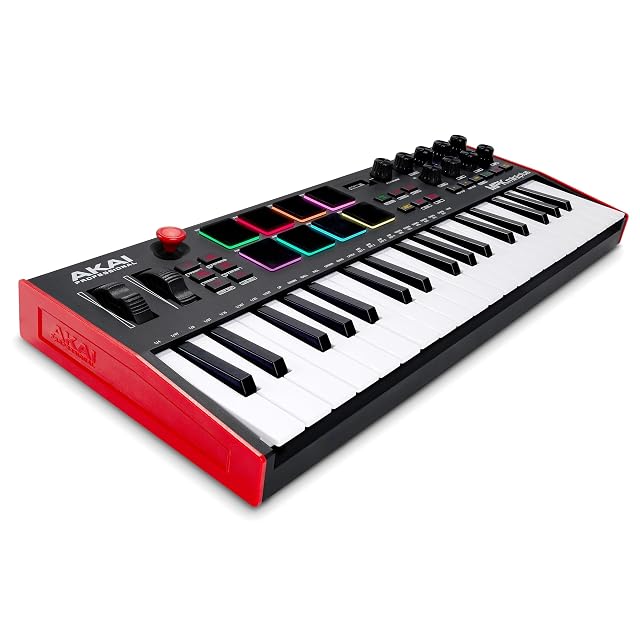
  • Akai Professional MPK Mini IV

    25 mini keys · pressure-sensitive MPC pads · full-color screen · USB-C · MIDI Out

    The fourth generation of the MPK Mini, and the only controller here whose pads sense pressure as well as velocity — with a full-color screen, a push/turn encoder, USB-C and a full-size MIDI output.

    Best for: Finger-drumming and beat work on a desk, where the pads matter more than the keys.

  • Akai Professional MPK Mini Plus

    37 keys · CV/Gate and MIDI I/O · 64-step sequencer · 8 RGB MPC pads

    The only controller on this shelf with CV/Gate and the only one with a sequencer: 37 keys, MIDI in and out, a 64-step sequencer with separate drum and melody tracks, and eight RGB MPC pads.

    Best for: A desk with hardware on it: a synth, a module or a modular rack that needs a keyboard and a sequencer.

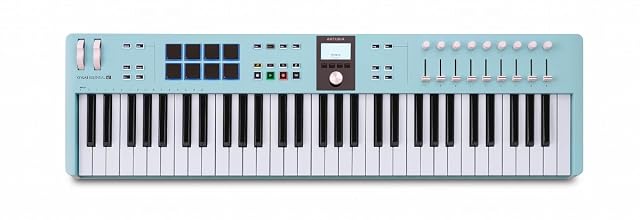
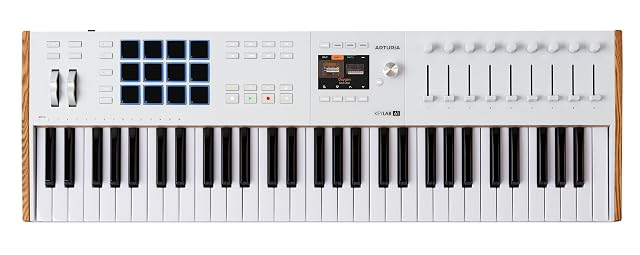
  • Arturia KeyLab Essential 61 mk3

    61 keys · 2,000 presets · 8 RGB pads · 9 encoders · no faders published

    The 61-key version of a keyboard this site already publishes at 49 keys, with 2,000 presets and nine encoders — and a listing that does not mention the nine faders the smaller model publishes.

    Best for: A player who wants the 49-key KeyLab Essential with twelve more keys, and will read the smaller model’s page for the rest.

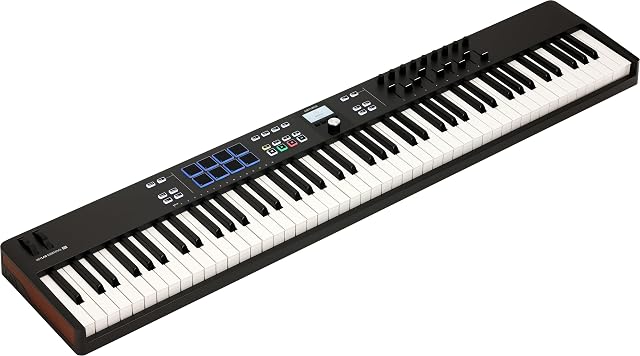
  • Arturia KeyLab Essential 88 mk3

    Two bullets, and the second one is the word Blk

    The thinnest listing in this family: eighty-eight keys, and a second bullet reading “Blk”. Nothing is published about the action, the controls, the pads, the software or the connections.

    Best for: A player who has decided they want 88 keys from this range and will find the specification somewhere other than the listing.

  • Arturia KeyLab 61 mk3

    Five bullets, three of them category words and two of them seller boilerplate

    The most expensive controller on this shelf, and the one that publishes least for the money: five bullets of which three are category labels and two are statements about the seller rather than the product.

    Best for: A player who already knows the KeyLab mk3 and is buying on the name, because the listing describes nothing.

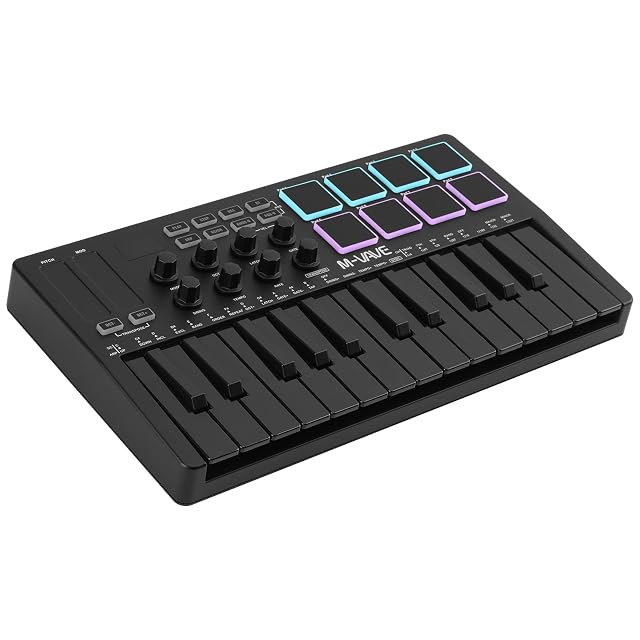
  • M-VAVE K5

    25 keys · Bluetooth with a 2,000 mAh battery · 8 RGB pads · 2 touch strips

    The only controller on this shelf that plays without a cable: Bluetooth on a 2,000 mAh battery, with 25 velocity-sensitive keys, eight RGB pads, eight encoders and two capacitive touch strips in place of wheels.

    Best for: Writing on a sofa or a train, where the cable is the thing in the way.

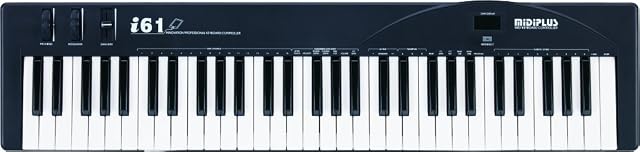
  • midiplus i61

    61 full-size keys · two MIDI outputs · sustain pedal socket · two bullets

    The least expensive full-size keyboard on this shelf, and the only one with two MIDI output sockets — published in two bullets that between them say more than three listings here manage in five.

    Best for: A player who wants 61 full-size keys and a socket to drive hardware, and already owns the software.