Skip to content

What to buy first

Almost every abandoned first setup failed on sequence rather than on budget: the instrument arrived, and the cable, the stand or the adapter did not.

One: the thing that makes the sound

Buy the instrument, and buy the one that can be played where you actually live. An amplifier with a headphone socket, an electronic kit with mesh heads, a piano with a quiet action — those decisions matter more than the badge.

Two: the part the box did not contain

Read the listing again for what is not in it. A keyboard usually needs a power adapter and a pedal. An XLR microphone needs an interface and a cable. A guitar needs a strap, a cable and picks. This is where first setups stall.

Three: monitoring

Headphones before speakers, every time. Headphones cost less, work at any hour, and do not need a room. Speakers only start to make sense once there is a desk to put them on and a wall to keep them away from.

Four: the room

Only after all of the above. A given sum spent on acoustic panels improves a recording more than the same sum spent on a microphone upgrade — but only once something is being recorded at all.

The questions players ask

What is the smallest complete setup?

A USB microphone and a pair of wired headphones. That records a voice properly with two purchases and no cables to choose. Everything else is a step up from there.

Should I buy the instrument or the recording chain first?

The instrument, unless the point is recording other people. An instrument gets played every day; an interface waits for something to record.

Last reviewed 2026-08-18
The gear this assumes

Everything above works with what you already own. These are the products we would reach for, and each links to the full review rather than straight to a shop.

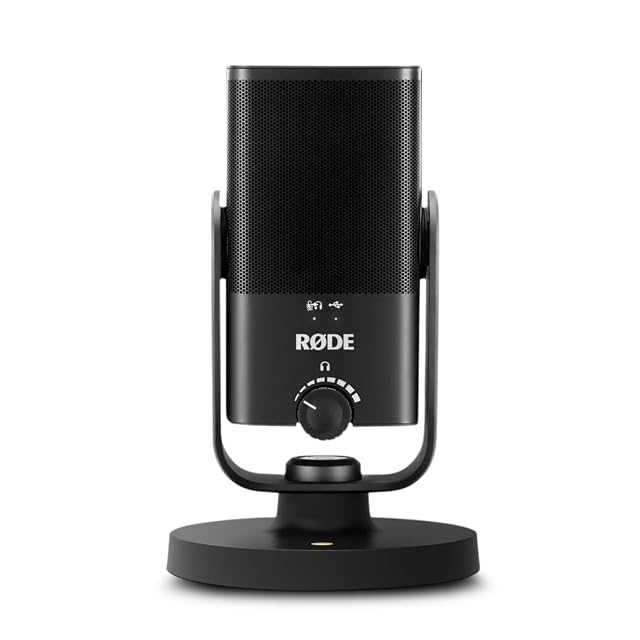
  • RØDE NT-USB Mini

    USB condenser · 24-bit/48 kHz · headphone out · magnetic base

    A complete recording chain in one small body: condenser capsule, 24-bit/48 kHz interface, zero-latency headphone output and a detachable magnetic desk stand. Class compliant, so nothing is installed.

    Best for: Podcasting, streaming and demos where the whole chain should be one object.

    7.8/10

    ≈ $105

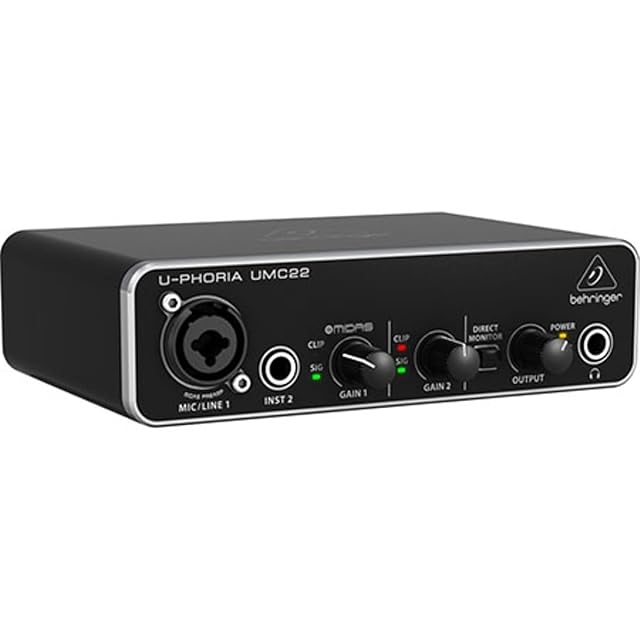
  • Behringer UMC22

    2×2 · Midas preamp · 48 kHz · USB powered

    The cheapest honest way into recording: one XLR/TRS combo input with a Midas-designed preamp, a separate instrument input, direct monitoring and USB power. Forty-eight kilohertz, and no pretense beyond it.

    Best for: A first interface for one voice or one instrument at a time.

    7.2/10

    ≈ $53

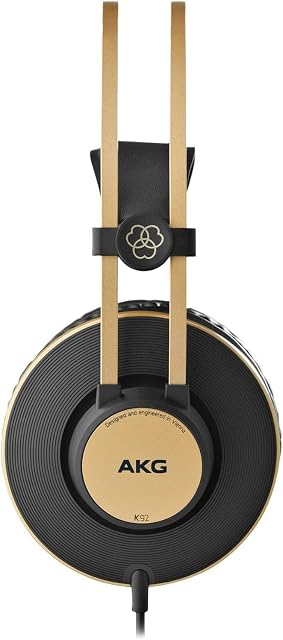
  • AKG K92

    Closed back · 40 mm (1.57 in) drivers · low impedance

    The cheapest way into closed-back monitoring here. AKG states 40 mm (1.57 in) drivers, a low impedance chosen so phones and interfaces can drive it, and replaceable earpads at a price where that is unusual.

    Best for: A second pair, a practice pair, or a first pair on a strict budget.

    7.2/10

    ≈ $70