Skip to content

AKG

The brand that publishes impedance and sensitivity

AKG is on this site twice, at opposite ends of the headphone family, and both pages could be written properly for the same reason: the numbers are published.

What we found writing the reviews

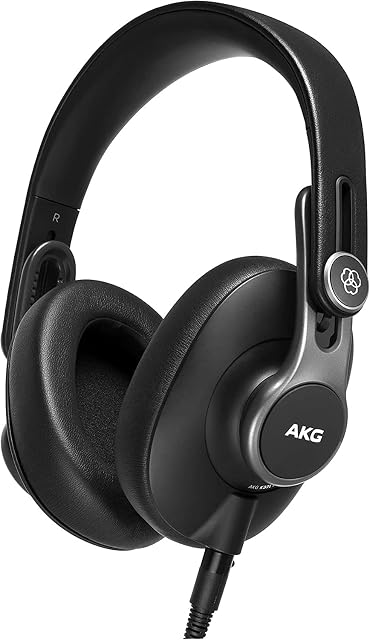
Impedance and sensitivity are stated. The K371 lists 32 ohms and 114 dB SPL/V at 1 kHz. Those two figures are what decide whether a pair sounds full from a laptop socket or thin and quiet — and most manufacturers in this bracket publish neither.

Both are closed back, which is the specification that decides whether a microphone in front of you picks up the backing track. Open backs sound more spacious and leak in every direction; they are for mixing, never for tracking.

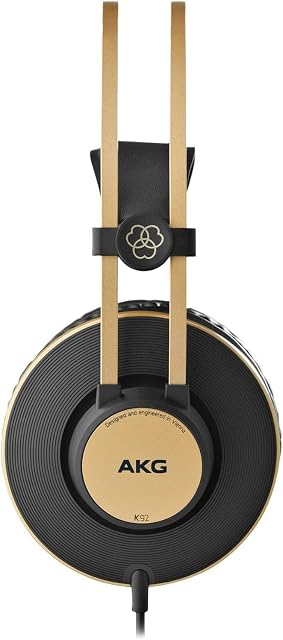
The K92 is honest about its voicing. AKG states a slight low-frequency lift, which is pleasant to practice with and wrong for judging a mix. Saying so in the listing is unusual.

Replaceable earpads on both. Pads are the first part of any headphone to wear out, and their availability is the difference between a pair that lasts a decade and one that becomes disposable after two years.

Every AKG product we have reviewed

  • AKG K371

    Closed back · 50 mm (1.97 in) drivers · 32 ohms · foldable

    AKG’s closed-back reference: 50 mm (1.97 in) drivers, 32 ohms and a stated 114 dB SPL/V sensitivity, tuned towards the AKG Reference Response curve. Low impedance, so it also works from a laptop.

    Best for: One pair for recording and for checking a mix, driven from an interface or a laptop.

    8.4/10

    ≈ $190

  • AKG K92

    Closed back · 40 mm (1.57 in) drivers · low impedance

    The cheapest way into closed-back monitoring here. AKG states 40 mm (1.57 in) drivers, a low impedance chosen so phones and interfaces can drive it, and replaceable earpads at a price where that is unusual.

    Best for: A second pair, a practice pair, or a first pair on a strict budget.

    7.2/10

    ≈ $70