Skip to content

Casio Casiotone CT-S1 vs Yamaha PSR-E383

Do you want a band behind you, or a piano in front of you?

Casio states there is no auto-accompaniment on the CT-S1. Yamaha builds the PSR-E383 around 260 styles. Neither is a compromise of the other.

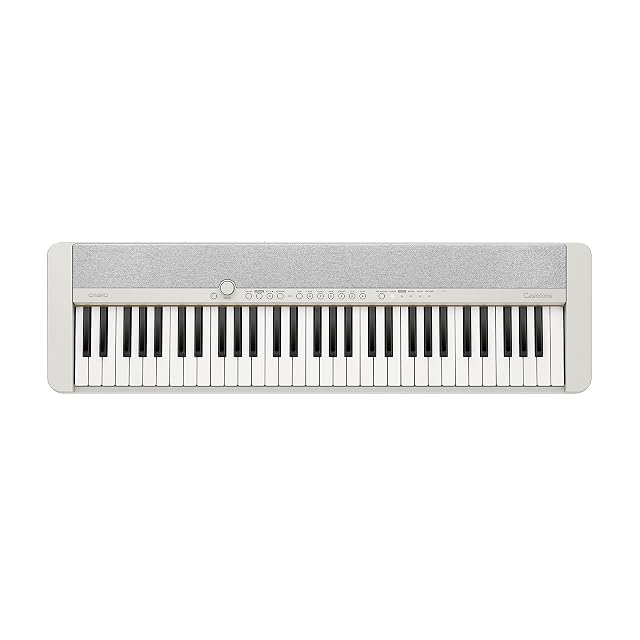
Casio Casiotone CT-S1 portable keyboard in white

Casio Casiotone CT-S1

7.8/10

Wins 3 of 8

Check price

≈ $560

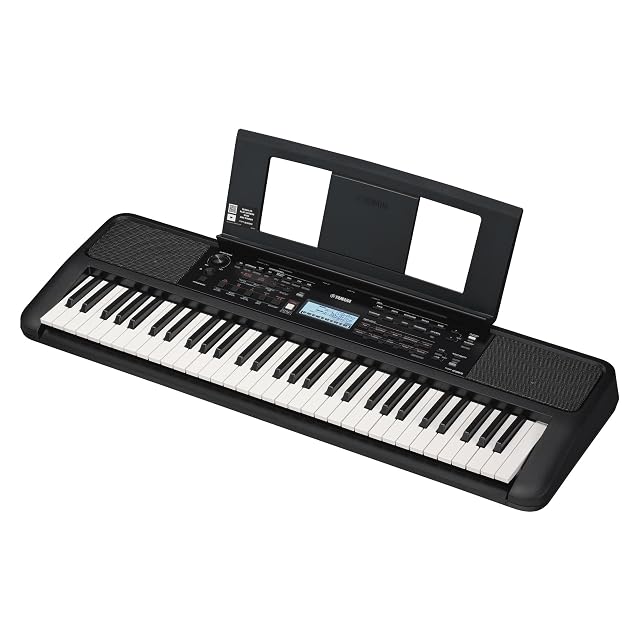
Yamaha PSR-E383 portable arranger keyboard

Yamaha PSR-E383

7.8/10

Wins 4 of 8

Search Amazon

Specification against specification

Compared on Casiotone CT-S1 PSR-E383
Keys 61, touch-sensitive 61, touch-sensitive
Sounds 61 650
Accompaniment styles None, by design 260
Polyphony Not stated in listing 48 notes
Speakers 2 × 2.5 W Not stated in listing
Learning system Not stated in listing 3-step lessons, 125 songs, Keys To Success
Included Music rest and power adapter Two online lessons
Weight 4.5 kg (9.9 lb) Not stated in listing
Listed on amazon.com Yes No

A tick marks the better answer on that line only. Counting ticks does not decide the page — the two verdicts below do, because these products answer different questions.

Which of the two, for which player

Buy the Casiotone CT-S1

Take the CT-S1 if the goal is piano playing and the styles would only ever be a distraction. Sixty-one curated sounds, a published weight of 4.5 kg (9.9 lb), and the adapter in the box.

PSR-E383

No amazon.com listing was found for this one. We hold references for other markets but none for the United States, so it may not be buyable here — which is the first thing to weigh against anything below.

Take the PSR-E383 to play whole songs from the first week. Smart Chord and 260 styles keep a beginner playing music rather than exercises, and Yamaha publishes its polyphony, which nothing else here does.

The questions players ask

Is a keyboard without styles worse value?

It is a different instrument. Casio spent the space on the sound engine and the speakers instead. If you never use accompaniment — and many piano learners do not — the absence costs you nothing.

What does 48-note polyphony mean in practice?

How many notes can sound at once, including notes still ringing under sustain and every note the accompaniment plays. Forty-eight is comfortable for this repertoire, and Yamaha is unusual in publishing the figure at all.

The detail, on each

  • Casio Casiotone CT-S1

    61 touch-sensitive keys · 61 sounds · no auto-accompaniment

    A keyboard built like a piano rather than like an arranger: 61 touch-sensitive keys, 61 sounds, and deliberately no accompaniment styles. Music rest and power adapter are included; the pedal is not.

    Best for: Someone who wants piano sounds and 61 keys without an arranger’s menus.

    7.8/10

    ≈ $560

  • Yamaha PSR-E383

    61 touch-sensitive keys · 650 sounds · 260 styles · 48-note polyphony

    The arranger answer to the Casio: 650 sounds, 260 accompaniment styles, 48-note polyphony and a structured lesson system with 125 built-in songs.

    Best for: A beginner who wants to play songs with accompaniment from the first week.

    7.8/10