The least expensive interface on this shelf by a wide margin, with two XLR inputs, 48 V phantom power, a published gain-meter range of −36 to 10 dB, and an extra 3.5 mm (0.14 in) microphone jack.
What it amounts to Two XLR inputs, 48 V phantom power and a published metering range for $24.90 — less than half the price of anything else on this shelf. It publishes no sample rate, names no preamp and includes no software.
Two balanced XLR inputs, +48 V phantom power, two line outputs switchable to mono, a 3.5 mm microphone jack, a headphone output, and independent volume on each channel. Plus the figure: a gain halo meter on every input and output, published as −36 dB to 10 dB.
At $24.90 this is less than half the price of anything else on this shelf, and it still does the two things a first interface has to do: take a microphone that needs phantom power, and take a guitar.
The metering range is the one figure it publishes that nothing else here does. Knowing the meter spans −36 to 10 dB tells a reader where the useful part of the knob is — which is more practical than it sounds, because setting a level by guesswork is the single most common beginner failure, and one interface on this shelf sells an automatic gain feature for exactly that reason.
The 3.5 mm (0.14 in) microphone input is the oddity, and it is worth a sentence. It is a consumer connector on a piece of studio equipment, and it is the only one on this shelf. If the microphone in the house has a 3.5 mm (0.14 in) plug, this is the only interface here it will connect to at all. Once an XLR microphone arrives, the socket is dead weight.
What is absent is the figure the rest of this shelf leads with. No sample rate and no bit depth. Two interfaces here publish 192 kHz, one publishes 48 kHz and two publish a 120 dB dynamic range instead. This publishes none of the three.
No software. Four interfaces on this shelf include a DAW, and one page here says the bundle is a large part of the value.
No named preamp. One interface on this shelf names Midas as the designer and two name XMAX-L; this names nothing, and calls itself both a USB audio interface and a stage audio mixer in the same set of bullets.
Availability
Read on the day this page was built: $25 at the American Amazon shop.
Read from Keepa on the day this page was last revised; stock and price both move without notice.
Prices quoted in this text were read on 2026-10-07. The live price is at the top of the page.
In its favor, and its limits
Strengths
Less than half the price of anything else on this shelf, with two XLR inputs and 48 V phantom power
The only interface here to publish its gain-meter range — −36 dB to 10 dB
Independent volume on each channel, and a mono switch on the outputs
Compromises
No sample rate and no bit depth published anywhere, which is the first figure an interface is compared on
No DAW software included, where four interfaces on this shelf bundle one
The listing calls it both an interface and a stage mixer, and names no preamp design
Specifications
Channels
2 balanced XLR inputs, 2 line outputs switchable to mono, plus a 3.5 mm (0.14 in) condenser mic input and a headphone output
Phantom power
+48 V, described as an ultra-low-noise design
Gain metering
A gain halo meter on each input and output, published as −36 dB to 10 dB — the only metering range on this shelf
Controls
Independent volume control on each channel
Secondary input
A 3.5 mm (0.14 in) microphone jack in addition to the XLR sockets — the only consumer-connector mic input on this shelf
Resolution
BOMGE puts nothing in writing on this. Two interfaces here publish 192 kHz and one publishes 48 kHz
Preamp
BOMGE names no preamp design. One interface here names Midas and two name XMAX-L
Connection
USB. BOMGE does not say whether it is USB-C or USB-A
Software
BOMGE puts nothing in writing on this. Four interfaces here include a DAW
Manufacturer reference
BMG-M12
Amazon reference
B0DTJQL2YT
EAN
0768825131858
The questions players ask
What is missing compared with the interfaces at four times the price?
A published sample rate, first of all — two interfaces on this shelf publish 192 kHz and one publishes 48 kHz, and this publishes none, which is the figure an interface is normally compared on. Then the software: four interfaces here include a DAW, and one of those bundles is a working studio rather than a demo. And a named preamp: one names Midas, two name XMAX-L, and this names nothing.
Why would an interface have a 3.5 mm (0.14 in) microphone input?
Because a lot of first microphones are computer microphones with a 3.5 mm (0.14 in) plug, and plugging one into an XLR socket is impossible. It is a consumer connector on a piece of studio equipment and it is the only one on this shelf — useful if that is the microphone in the house, and worth nothing once an XLR microphone arrives.
This one’s price among music instruments and gear
Details checked on October 7, 2026.
Who should pick this one, among music instruments and gear
A first interface for someone who already has recording software and wants two XLR inputs for the least money.
Sources
Specifications: the manufacturer sheet for musical instruments and gear and the matching Amazon product page. Prices and availability: Keepa. Every figure on this page names its source.
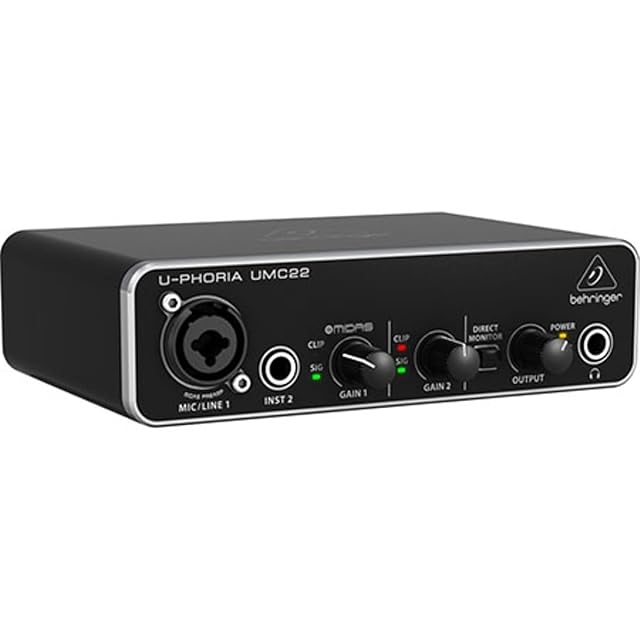
The cheapest honest way into recording: one XLR/TRS combo input with a Midas-designed preamp, a separate instrument input, direct monitoring and USB power. Forty-eight kilohertz, and no pretense beyond it.
Best for: A first interface for one voice or one instrument at a time.
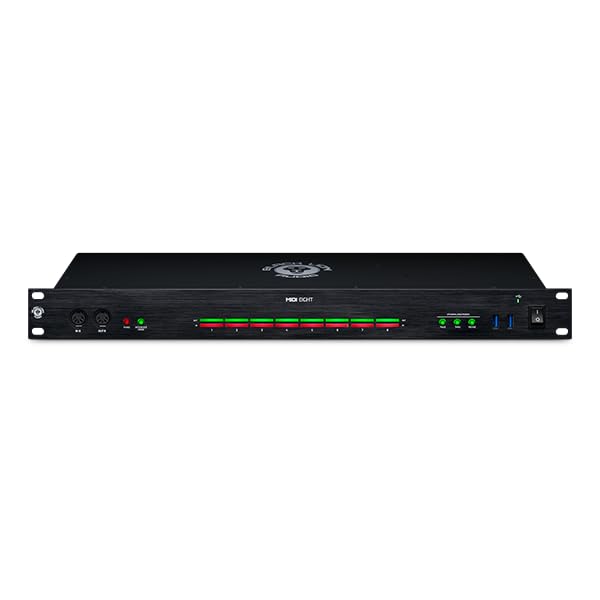
No audio at all · 8 in / 8 out MIDI · three standalone routing modes
The one listing on this shelf that passes no audio: an 8-in, 8-out MIDI interface with three standalone routing modes, per-port activity indicators and front-mounted sockets.
Best for: A studio with more than two MIDI instruments, where the problem is routing rather than recording.
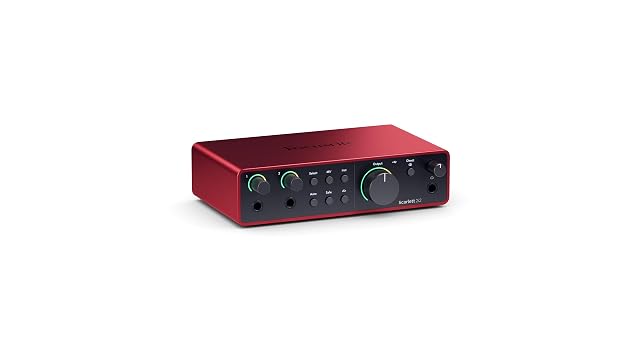
Two microphone preamps rather than one, plus Auto Gain to set levels and Clip Safe to stop a take being destroyed by a loud moment. The interface most home studios settle on and stop replacing.
Best for: Anyone who will ever record two things at the same time.