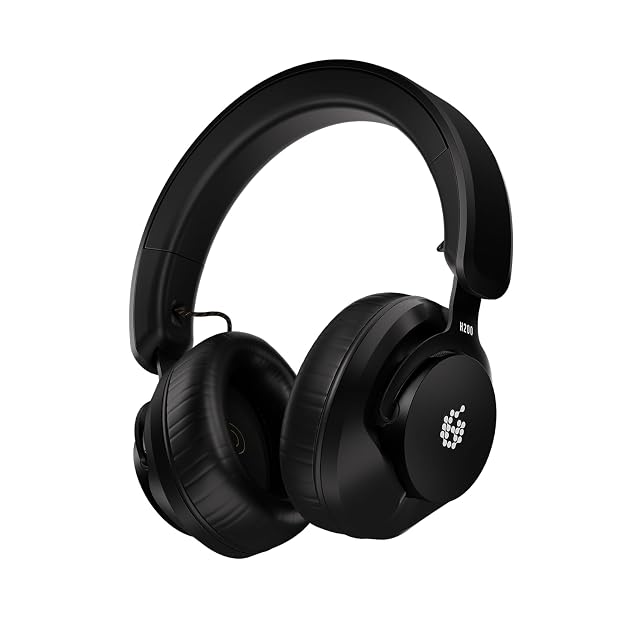
The only pair here that works without a cable: 72 hours of wireless playtime, two wired cables in the box including a 3.5-to-6.35 mm (1.38 in) lead, a locking jack and a built-in microphone for calls.
What it amounts to The one pair here that leaves the desk: 72 hours wireless, two wired cables, a locking jack and a microphone. It publishes no impedance and no frequency response, and Bluetooth is for listening rather than for monitoring.
Bluetooth and wired, with 72 hours of playtime and two cables in the box — 3.5 mm to 6.35 mm and 3.5 mm to 3.5 mm. 40 mm neodymium drivers behind an aluminum fascia. A jack lock on the aux plug. Audio sharing. A built-in microphone with noise reduction. Rotatable and foldable.
This is the only wireless pair on the shelf, and the 72 hours is the only battery figure on it. Both facts need the same qualification: wireless is not for monitoring. Bluetooth audio arrives tens of milliseconds late, and hearing your own playing that late is unusable — which is why the other nine pairs here are wired only, and why this one ships two cables rather than one.
Read the right way round, that makes it two products. On the desk it is a wired monitoring pair with the right adapter already fitted. Away from the desk it is a wireless pair that lasts three days.
The two cables are worth more than they look. Four of the ten listings here supply an adapter of some kind; this supplies a whole second lead, so an interface at 6.35 mm (0.25 in) and a laptop at 3.5 mm (0.14 in) are both covered without anything screwed on.
The jack lock is the detail nothing else here has. A monitoring cable gets pulled sideways every time someone leans towards a keyboard, and a friction-held plug loses one channel before it loses both — which sounds like a problem with the mix rather than with the cable. It is the only statement about a cable connection anywhere on this shelf.
What it does not publish is the same list as every American listing in this family: no impedance, no sensitivity, no frequency response. The two pairs here that publish those figures are both European, and one of their pages says plainly that 32 ohms is what tells you a laptop can drive them.
The product record gives 254 g (9 oz).
Availability
Read on the day this page was built: $45 at the American Amazon shop.
Read from Keepa on the day this page was last revised; stock and price both move without notice.
Prices quoted in this text were read on 2026-10-07. The live price is at the top of the page.
In its favor, and its limits
Strengths
The only pair on this shelf that works wirelessly, with the only published battery figure — 72 hours
Two cables in the box, so neither an interface nor a laptop needs an adapter
A locking jack, which addresses the way a monitoring cable actually fails
Compromises
A wireless connection adds latency, which is why no studio monitoring is done over Bluetooth
No impedance and no frequency response published
The aluminum fascia and the folding hinge are two more parts than a fixed plastic headband has
Specifications
Connection
Bluetooth and wired — the only wireless pair on this shelf
Battery
Up to 72 hours of playtime in wireless mode (OneOdio states). The only battery figure on this shelf
Cables supplied
Two: 3.5 mm (0.14 in) to 6.35 mm (0.25 in), and 3.5 mm (0.14 in) to 3.5 mm (0.14 in) — so an interface and a laptop are both covered out of the box
Jack lock
A lock system on the aux plug, stated to stop the connection working loose — the only locking jack on this shelf
Drivers
40 mm (1.57 in) neodymium, behind a custom aluminum fascia
Design
Closed back, over-ear, rotatable and foldable
Audio sharing
A second pair can be connected for shared listening — one of two listings here to publish it
Microphone
Built-in HD microphone with noise reduction, for hands-free calls
Impedance
OneOdio puts nothing in writing on this. Two listings on this shelf publish one, and both are European
Frequency response
OneOdio puts nothing in writing on this.
Manufacturer reference
A7-001-USA
Amazon reference
B07MQQS88Q
EAN
0634769647567
The questions players ask
Can I monitor over Bluetooth?
Not while recording. Wireless audio arrives late — tens of milliseconds — and hearing your own voice or your own playing that late is unusable. That is why every other pair on this shelf is wired only and why this one ships two cables. What the wireless mode is for is listening: playback, reference tracks, and the 72 hours on the train afterwards.
What does a jack lock actually prevent?
The plug working its way out of the socket. A monitoring cable is pulled sideways every time someone leans to a keyboard, and a 3.5 mm (0.14 in) plug held by friction alone drops one channel before it drops both — which sounds like a fault in the mix rather than a fault in the cable. This is the only listing on this shelf to address it, and the only one of the ten to mention the cable’s connection at all beyond its length.
Accessories confirmed for this instrument
Shown because the accessory names this instrument itself.
Who should pick this one, among music instruments and gear
A pair that monitors on a cable at the desk and plays music on the train, where 72 hours means not thinking about charging.
What buyers actually choose
Amazon reports what buyers took in the month before this page was last checked: at least 2,000.
The figure is a floor, rounded by Amazon, and read through Keepa — it says what buyers picked, not what a maker claims.
Sources
Specifications: the manufacturer sheet for musical instruments and gear and the matching Amazon product page. Prices and availability: Keepa. Every figure on this page names its source.
Closed back · 40 mm (1.57 in) PEEK drivers · DAW plug-in included
Berlin-designed closed backs with 40 mm (1.57 in) PEEK drivers, a stated 2 Hz – 23.5 kHz response and 112.5 dB SPL, plus a Headphone Utility plug-in with crossfeed for the DAW.
Best for: Mixing on headphones, where crossfeed makes a stereo image less exhausting.
Closed back · 50 mm (1.97 in) drivers · 32 ohms · foldable
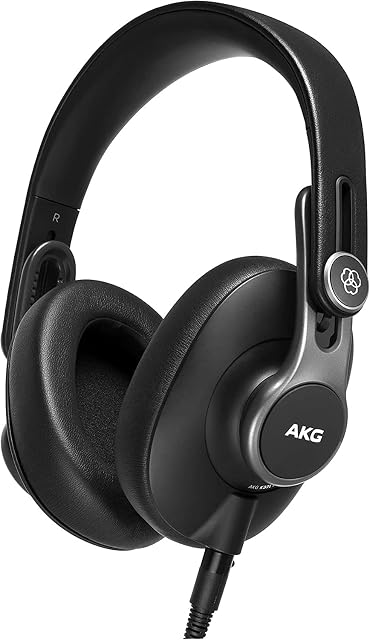
AKG’s closed-back reference: 50 mm (1.97 in) drivers, 32 ohms and a stated 114 dB SPL/V sensitivity, tuned towards the AKG Reference Response curve. Low impedance, so it also works from a laptop.
Best for: One pair for recording and for checking a mix, driven from an interface or a laptop.
Closed back · 40 mm (1.57 in) drivers · low impedance
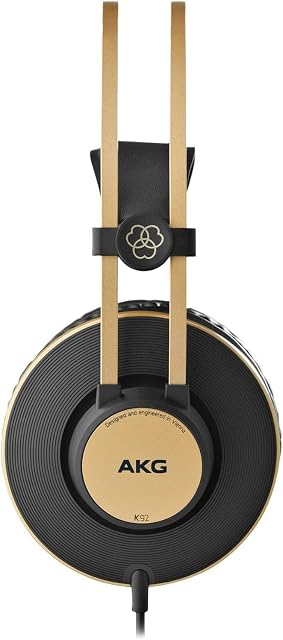
The cheapest way into closed-back monitoring here. AKG states 40 mm (1.57 in) drivers, a low impedance chosen so phones and interfaces can drive it, and replaceable earpads at a price where that is unusual.
Best for: A second pair, a practice pair, or a first pair on a strict budget.