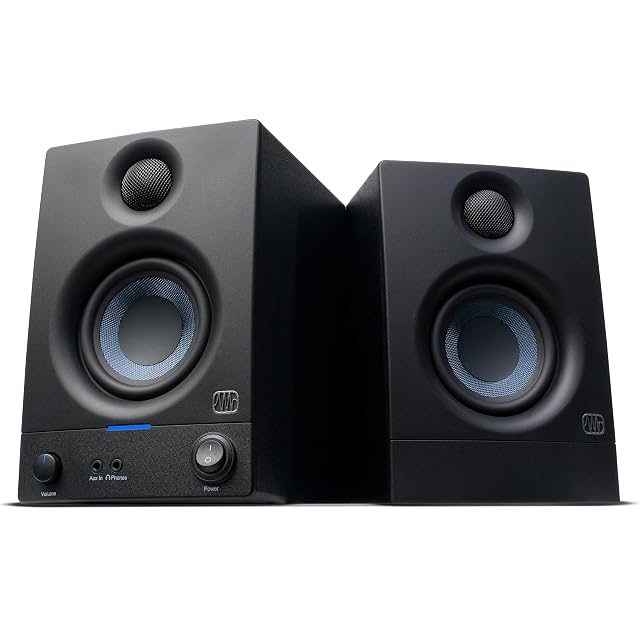
Where the first panels go
The wall behind the microphone or the speakers, then the side walls level with your head, then the corners. Reflections arriving early are the ones that color a recording.
Thickness beats coverage
A few thick panels in the right places outperform a wall of thin tiles. That is physics, not preference: an absorber works on wavelengths short relative to its thickness.
The renting problem
Adhesive mounting takes paint off. Mount panels on light frames or boards that lean or hang from picture hooks instead — the treatment stays effective and the deposit stays intact.
What to do before buying anything
Record thirty seconds of speech and listen for the echo tail. Put a duvet on a clothes horse behind you and record it again. If the second take is noticeably better, panels will help; if not, the problem is placement.
The questions players ask
Will panels soundproof my room?
No. Absorption and isolation are different problems: isolation needs mass and structural work. Panels change what you hear inside the room, not what the neighbors hear.
How thick should panels be?
Thickness decides how low they work. Two-centimeter tiles handle the top end; five centimeters reaches meaningfully lower. Doubling the area at the same thickness does not help the same way.
Last reviewed 2026-08-18