Aim for the middle, not the top
Digital recording has enormous headroom. Peaks comfortably below the maximum leave room for the loudest moment you did not expect, and cost nothing in quality.
Set it on the loudest thing you will do
Sing the loudest phrase, hit the loudest hit, then set the gain. A level set on a quiet rehearsal is a level that clips during the take.
What Auto Gain and Clip Safe do
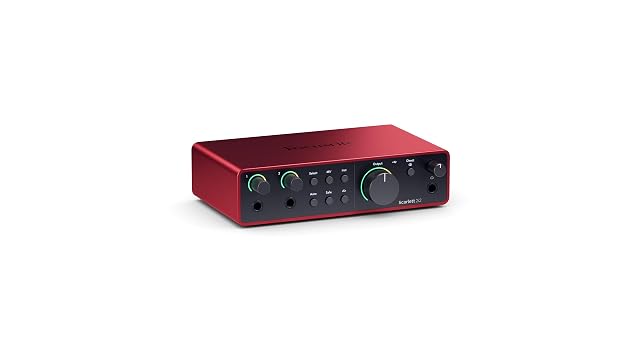
Auto Gain listens and sets the level for you, which removes the most common beginner failure. Clip Safe watches the input and prevents overload on the way in. Neither replaces choosing where the microphone sits.
The pop filter is part of level setting
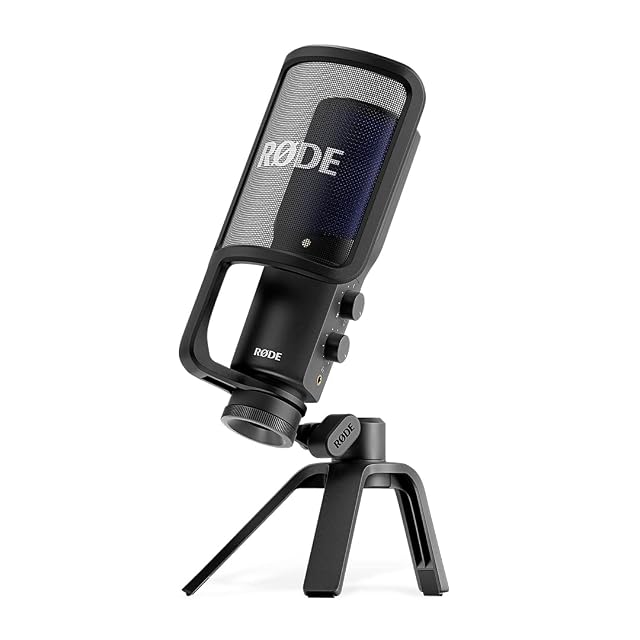
A plosive is a huge transient that can push a well-set level into clipping on one word. Ten dollars of mesh removes it.
The questions players ask
What does clipping sound like?
A hard crackle on the loudest moments, and it is not repairable afterwards — the peaks were never recorded. Digital clipping is unlike analog distortion in that respect.
Is recording quietly safe?
Safer, but not free. Lifting a quiet recording afterwards lifts the noise floor with it, which is where the hiss in amateur recordings comes from.
Last reviewed 2026-08-18