Skip to content

RØDE

USB microphones that are a complete chain, not a component

RØDE appears twice here, at two price points, with the same design argument: capsule, preamp and converter in one body, over one cable.

What we found writing the reviews

The headphone socket on the microphone is the feature that earns its keep. Monitoring through the computer means hearing yourself a few milliseconds late, which is disconcerting when speaking and impossible when singing. Taking the signal straight off the microphone removes it entirely.

Class compliance matters more than it sounds. Both models are recognized without installing anything, which includes machines where you are not allowed to install anything — a locked-down work laptop, a borrowed computer.

The step up is a preamp, not a capsule story. The NT-USB+ adds RØDE’s Revolution preamp, which is where quiet voices and quiet rooms benefit. In an untreated room, the same money spent on panels and a stand does more.

Both carry one reference across all six stores, and the price spread between them is narrow — the most consistent distribution in the microphone family.

Every RØDE product we have reviewed

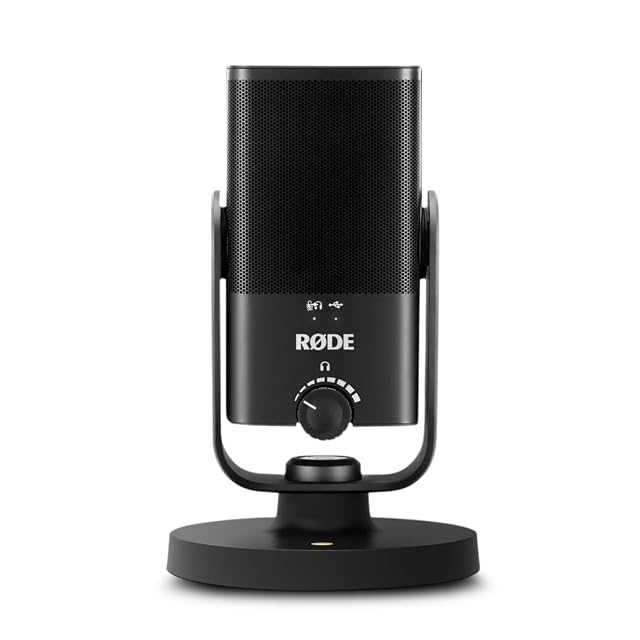
  • RØDE NT-USB Mini

    USB condenser · 24-bit/48 kHz · headphone out · magnetic base

    A complete recording chain in one small body: condenser capsule, 24-bit/48 kHz interface, zero-latency headphone output and a detachable magnetic desk stand. Class compliant, so nothing is installed.

    Best for: Podcasting, streaming and demos where the whole chain should be one object.

    7.8/10

    ≈ $105

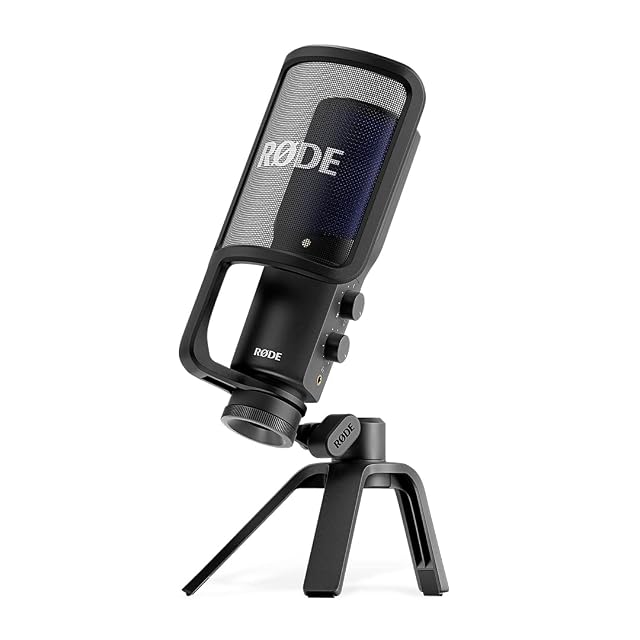
  • RØDE NT-USB+

    USB condenser · Revolution preamp · zero-latency monitoring

    The larger USB RØDE: a premium condenser capsule with the ultra-low-noise Revolution preamp, zero-latency headphone monitoring and DSP that can be driven from RØDE Connect.

    Best for: A voice that will be recorded regularly, in a room that has had some treatment.

    8.4/10

    ≈ $170

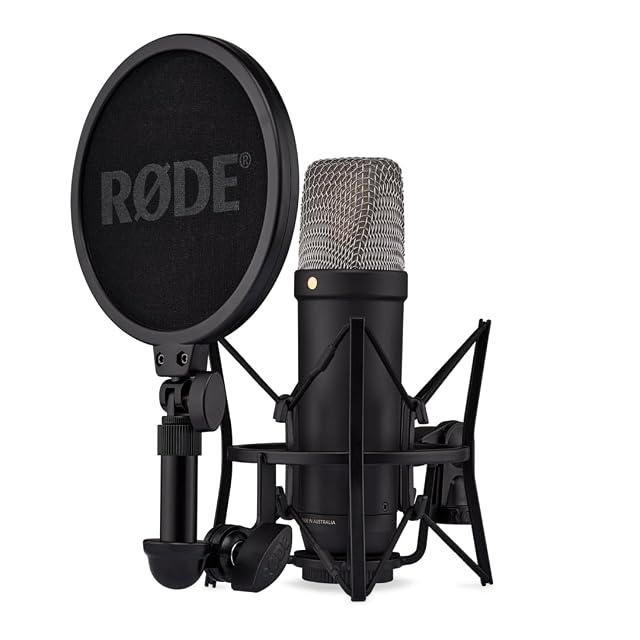
  • RØDE NT1 5th Gen

    XLR and USB-C · 192 kHz conversion · Revolution preamp · ceramic-coated aluminum

    The most expensive microphone here and the only one with 32-bit-era conversion on board: a studio condenser with both XLR and USB-C, the maker’s Revolution preamp, 192 kHz analog-to-digital conversion and a machined aluminum body under a ceramic coating.

    Best for: A voice that will be recorded for years, where the one microphone has to work on a laptop today and an interface later.