Skip to content

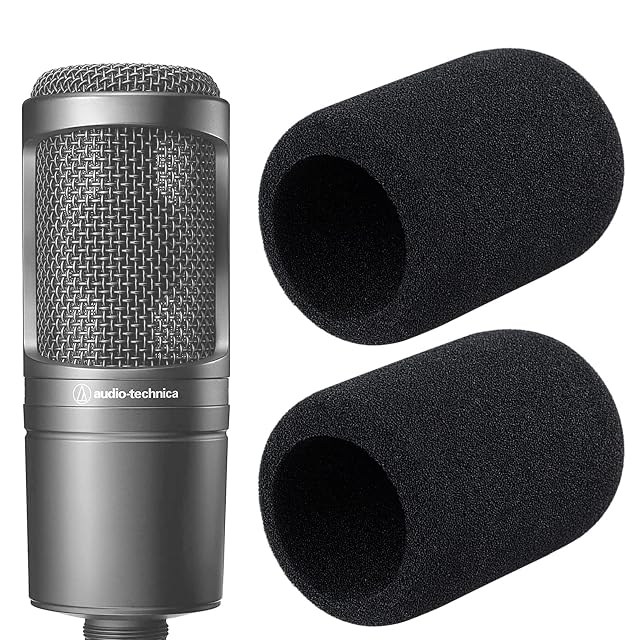
KayNicam 3-layer cover

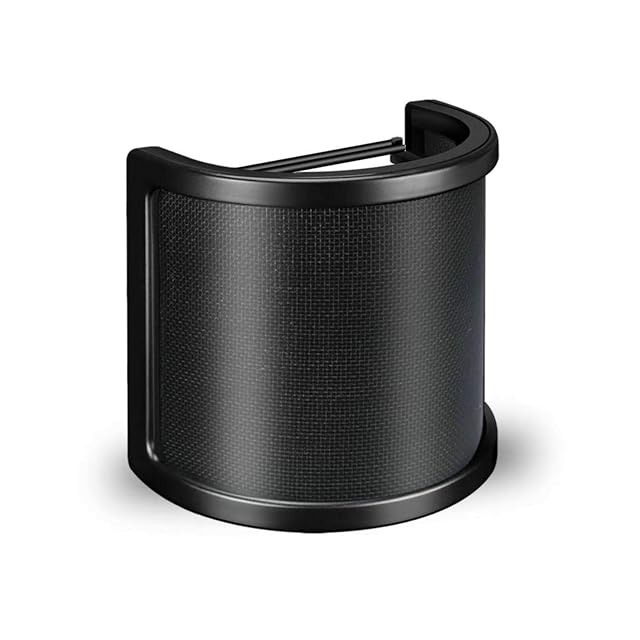
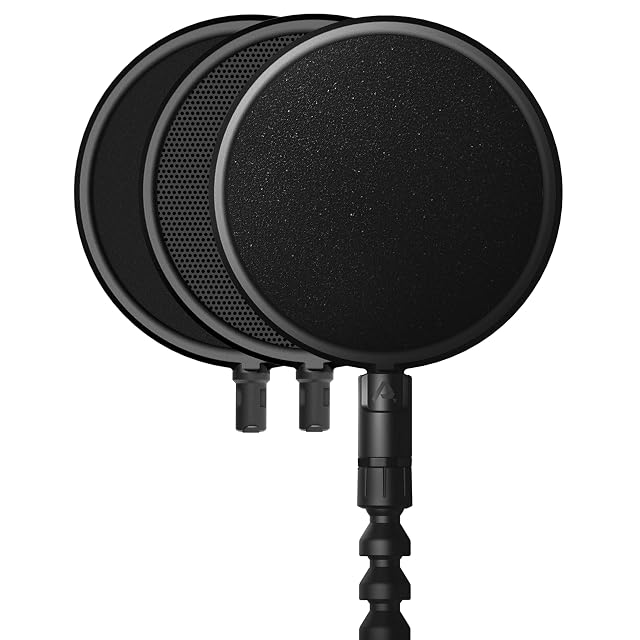
The only three-layer filter here — mesh, metal and foam — slipped over the microphone head on an elastic strap, with a published capsule diameter range and a bullet that names the one microphone it will not fit.

KayNicam three-layer pop filter cover on a microphone

KayNicam 3-layer cover

The only three-layer filter here — mesh, metal and foam — slipped over the microphone head on an elastic strap, with a published capsule diameter range and a bullet that names the one microphone it will not fit.

Layers
Three: mesh, metal and foam — the most layers published on this shelf. One filter here publishes two, the rest publish none
Mount
Slips directly over the microphone head on an adjustable elastic strap. No gooseneck and no clamp
Capsule diameter
Microphones 1.2 to 2.1 in across — the only capsule range published on this shelf
Frame
A sturdy ABS frame with a fine mesh screen
Stated incompatibility
NOT FOR BLUE YETI, printed between triangles in its own bullet — the only microphone any listing on this shelf names as incompatible
Stated compatibility
AT2020, AT2035 and the AT40 series among others
In the box
1 pop filter. KayNicam states the microphone is not included
Gooseneck length
Not applicable — there is no gooseneck. One filter on this shelf publishes 12.4 in
Amazon reference
B0DLH2KJM5
EAN
5410478717747
  • Three layers of three different materials — the most published on this shelf
  • The only listing here to publish a capsule diameter range, so the fit can be measured
  • Over the capsule rather than in front of it, so the air is stopped at the point it arrives

Best for: A capsule between 1.2 and 2.1 inches where a clamp has nowhere to go — and not a Blue Yeti.
Check price on Amazon

Specifications

Layers
Three: mesh, metal and foam — the most layers published on this shelf. One filter here publishes two, the rest publish none
Mount
Slips directly over the microphone head on an adjustable elastic strap. No gooseneck and no clamp
Capsule diameter
Microphones 1.2 to 2.1 in across — the only capsule range published on this shelf
Frame
A sturdy ABS frame with a fine mesh screen
Stated incompatibility
NOT FOR BLUE YETI, printed between triangles in its own bullet — the only microphone any listing on this shelf names as incompatible
Stated compatibility
AT2020, AT2035 and the AT40 series among others
In the box
1 pop filter. KayNicam states the microphone is not included
Gooseneck length
Not applicable — there is no gooseneck. One filter on this shelf publishes 12.4 in
Amazon reference
B0DLH2KJM5
EAN
5410478717747

Three layers: mesh, metal and foam. An ABS frame. An adjustable elastic strap that slips over the microphone head. Microphones 1.2 to 2.1 inches across. And, in its own bullet:

▲▲NOT FOR BLUE YETI▲▲

That bullet is the most useful sentence on this shelf. Nine filters here, and eight publish what they fit — seven microphones named on one, six on another, virtually any microphone or stand on a third. This is the only listing that publishes what it does not, in capitals, between triangles, about one of the most-sold microphones in the world. A maker that turns away that much traffic in advance has worked out that a refused sale is cheaper than a refund.

The capsule range is the other figure nobody else gives. 1.2 to 2.1 inches is a measurement a reader can take with a ruler, where the rest of this shelf names models and hopes.

Three layers is the most material in the air path on this shelf, and each layer works differently: mesh scatters a plosive by making the air turn, metal diverts it, foam absorbs it. One filter here publishes two layers of nylon mesh with an air gap, and that is the only other layer count on the shelf.

The limit is where all three sit. They are on the capsule, so the plosive meets them at full strength, a centimeter from the diaphragm. A filter on a gooseneck sits a few centimeters away, and the air has already begun to spread before it arrives — which is why the distance is part of how a pop filter works, and why a two-layer filter in front can outperform a three-layer cover on top.

It also cannot be positioned. No gooseneck means the filter is wherever the microphone is pointing, and one filter here publishes 12.4 inches of adjustable reach.

And the foam layer carries the usual cost: the page for another filter on this shelf puts it plainly — foam takes a little high frequency with it, which is audible on a sung vocal.

Availability

Catalogued and unsold: the American Amazon shop lists the reference with nobody behind it.

Read from Keepa on the day this page was last revised; stock and price both move without notice.

The questions players ask

Why does naming an incompatible microphone matter?

Because it is the only sentence on this shelf that prevents a return rather than promising a fit. Nine listings here, and eight publish what they work with — seven microphones on one, six on another, *virtually any* on a third. This one publishes what it does not: ▲▲NOT FOR BLUE YETI▲▲, in its own bullet, in capitals, between triangles. The Blue Yeti is among the most-sold microphones there is, and a maker that rules it out in advance has decided a refused sale costs less than a refund.

Three layers over the capsule, or two layers in front of it?

Different trades. Three layers — mesh, metal, foam — is more material in the air path than anything else here, and each layer is a different mechanism: mesh scatters, metal diverts, foam absorbs. But all three sit on the capsule, where the plosive arrives at full strength, rather than a few centimeters away where it has already spread. A two-layer filter on a gooseneck gives the air a gap to lose energy in. This gives it three obstacles and no distance, and it mounts where a clamp cannot go.

Instruments it is stated to fit

All pop filters & shields