The least expensive XLR microphone here, and one of only two that publish a sensitivity figure: 16 mm (0.63 in) diaphragm, −43 dB, 130 dB maximum SPL, an all-metal body and a metal tripod in the box.
What it amounts to The cheapest XLR microphone here and one of the few that publishes anything measurable: a diaphragm size, a sensitivity and a maximum SPL. It does not publish its polar pattern, and the cable is a separate purchase.
Three figures on a $36.99 microphone: a 16 mm (0.63 in) diaphragm, −43 dB sensitivity and a 130 dB maximum SPL. That is more measurable detail than the microphone six times its price on this same shelf, which offers extremely low self-noise and high SPL handling capability and no numbers at all.
The sensitivity is the useful one. It describes how much signal the capsule makes, and therefore how much gain the interface has to add — and gain is where hiss comes from. FIFINE puts the trade in plain terms in its own bullet: quiet passages stay clear of the noise floor, loud peaks do not clip easily.
What is missing is the polar pattern. A condenser can be cardioid, omnidirectional or figure-of-eight, and which one it is decides whether the room is in the recording. Every USB microphone on this shelf publishes cardioid; this does not say.
Nor does it mention phantom power, which a condenser capsule requires and which comes from the interface rather than from the microphone. That is the question a first-time XLR buyer gets wrong, and the listing leaves it unasked.
The metal tripod is in the box and the XLR cable is not — FIFINE states both. The 662 g (23.4 oz) in the product record is the microphone plus that tripod, which is why it weighs more than the 308 g (10.9 oz) condenser at six times the price.
Availability
Read on the day this page was built: $37 at the American Amazon shop.
Read from Keepa on the day this page was last revised; stock and price both move without notice.
Prices quoted in this text were read on 2026-10-07. The live price is at the top of the page.
In its favor, and its limits
Strengths
Publishes a sensitivity figure and a maximum SPL, which only one and one other microphone here do
The only microphone on this shelf to publish a diaphragm diameter
An all-metal body and a metal tripod at the bottom of the price range
Compromises
The XLR cable is not included, and the listing says so
No polar pattern published — a condenser can be cardioid, omni or figure-of-eight and this does not say
No phantom power requirement stated, which is the one thing a first-time XLR buyer needs to check
Specifications
Type
XLR condenser, balanced output
Diaphragm
16 mm (0.63 in) — the only diaphragm size published on this shelf
Sensitivity
−43 dB, which FIFINE describes as keeping quiet passages clear of background noise without loud peaks clipping
Maximum SPL
130 dB
Connections
A single XLR output. The XLR cable is not included
Body
All metal
Included
A metal tripod stand with non-slip feet
Phantom power
FIFINE puts nothing in writing on this. A condenser needs it, and the interface at the other end of the XLR cable is what supplies it
Pattern
FIFINE puts nothing in writing on this.
Manufacturer reference
ABCD2303669C
Amazon reference
B0BZP6YW9C
EAN
0850035565919
The questions players ask
What does −43 dB sensitivity tell me?
How much signal the capsule produces for a given sound pressure. A more sensitive microphone needs less gain from the interface, which matters because gain is where noise enters. It is one of the two figures that let two microphones be compared rather than described, and two of the nine microphones on this shelf publish one — this at −43 dB and a dynamic at −50 ± 2 dB. The most expensive microphone here publishes neither.
Do I need anything else to use it?
An XLR cable, which FIFINE states is not in the box, and an interface or mixer that supplies phantom power — a condenser capsule needs it and this listing does not mention it. The tripod is included. An XLR microphone is one component of a chain; the four USB microphones on this shelf are the whole chain in one body.
Accessories confirmed for this instrument
Shown because the accessory names this instrument itself.
Who should pick this one, among music instruments and gear
A first XLR microphone for someone who already owns an interface and a cable, and wants figures rather than adjectives.
Sources
Specifications: the manufacturer sheet for musical instruments and gear and the matching Amazon product page. Prices and availability: Keepa. Every figure on this page names its source.
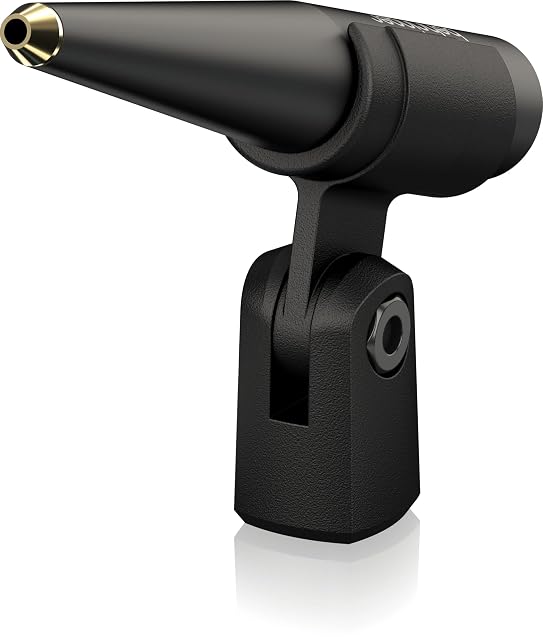
The thinnest listing on this shelf by a distance: a condenser microphone whose single bullet is its own title, with no pattern, no diaphragm, no sensitivity, no SPL and no power requirement published anywhere.
Best for: A buyer who already knows this microphone, because the listing answers nothing about it.
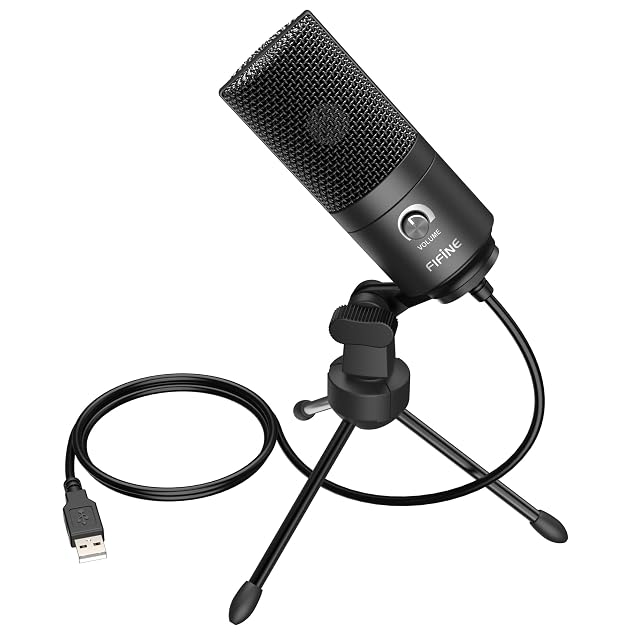
USB condenser · cardioid · tripod included · volume knob
A metal-bodied USB condenser with a tripod stand and its own volume control, sold at a price where the alternative is usually a headset. Cardioid, and stated as PC, Mac, PS4 and PS5 compatible.
Best for: A first microphone for calls, streaming and rough demos on a computer.
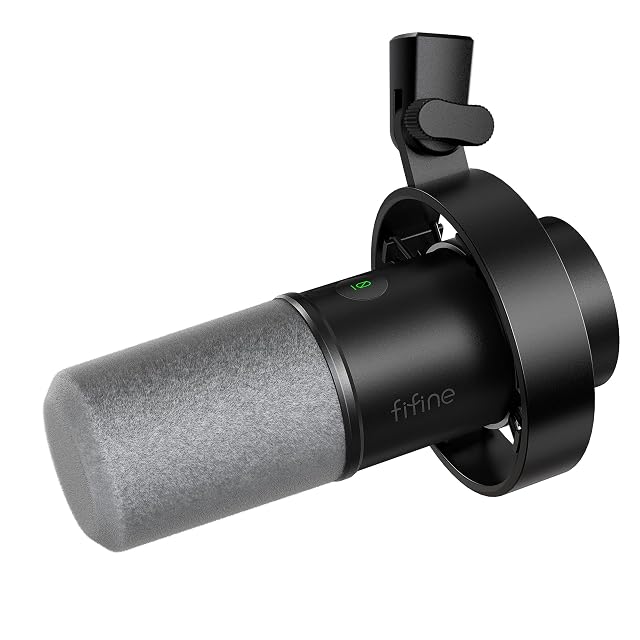
Dynamic · XLR and USB · S/N above 80 dB · 130 dB SPL · tap-to-mute · headphone monitoring
A dynamic microphone with both XLR and USB outputs, a signal-to-noise ratio above 80 dB, a 130 dB maximum SPL, tap-to-mute and gain on the body, and a 3.5 mm (0.14 in) headphone socket with its own volume control.
Best for: A podcast or a stream that starts on USB and moves to an interface later, where the mute button needs to be a button.