Skip to content

How to read a gear listing

A listing is written to sell. Reading it well is mostly a matter of noticing what it does not say.

Read the qualifier, not the headline

“Eighty-eight keys” means little without the action type. “Two inputs” means little without how many are microphone inputs. “192 kHz” means little at all. The qualifying figure is the one that decides the purchase.

Learn the four words that matter in this niche

Weighted on keys. Simultaneous on inputs. Solid on acoustic tops. Detachable on headphone cables. Each of them separates two products that otherwise look identical.

Omissions are answers

A guitar listing that describes a “spruce top” rather than a “solid spruce top” is usually describing a laminate. A headphone listing with no impedance figure is one where the figure does not help.

Check the box contents line

Not the photograph. Photographs show pedals, stands and cables that the box contents line does not mention.

The questions players ask

What if a specification is missing?

Treat the omission as information. Makers publish the figures that flatter them. A missing polyphony count, impedance or top construction is rarely an oversight.

Are the bullet points reliable?

Mostly, but not always. One listing in our catalog carries the bullet text of a different model — 76 keys on a 61-key instrument. Where the title, the model number and the bullets disagree, trust the model number.

Last reviewed 2026-08-18
The gear this assumes

Everything above works with what you already own. These are the products we would reach for, and each links to the full review rather than straight to a shop.

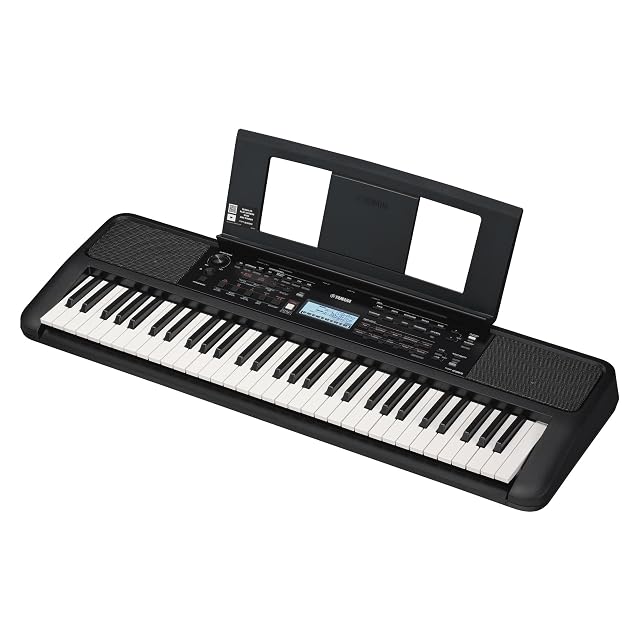
  • Yamaha PSR-E383

    61 touch-sensitive keys · 650 sounds · 260 styles · 48-note polyphony

    The arranger answer to the Casio: 650 sounds, 260 accompaniment styles, 48-note polyphony and a structured lesson system with 125 built-in songs.

    Best for: A beginner who wants to play songs with accompaniment from the first week.

    7.8/10

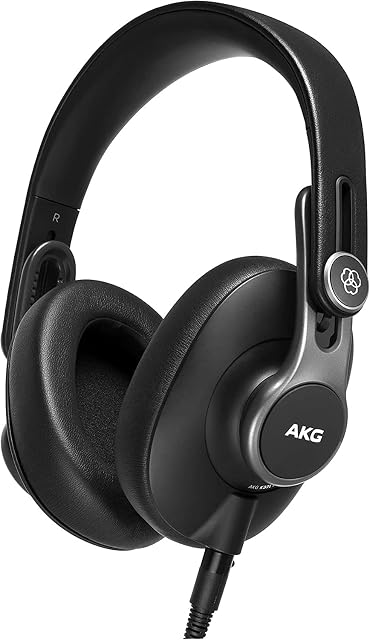
  • AKG K371

    Closed back · 50 mm (1.97 in) drivers · 32 ohms · foldable

    AKG’s closed-back reference: 50 mm (1.97 in) drivers, 32 ohms and a stated 114 dB SPL/V sensitivity, tuned towards the AKG Reference Response curve. Low impedance, so it also works from a laptop.

    Best for: One pair for recording and for checking a mix, driven from an interface or a laptop.

    8.4/10

    ≈ $190

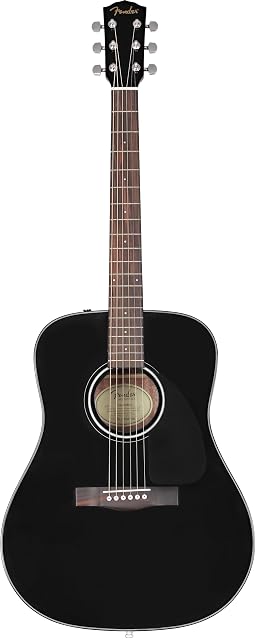
  • Fender CD-60 Dreadnought

    Dreadnought · mahogany body · walnut fingerboard · X-bracing

    Fender’s long-running beginner dreadnought: mahogany body, walnut fingerboard, X-bracing and die-cast tuners, with a two-year Fender warranty behind it.

    Best for: A first steel-string that will hold tuning while the hands are learning.

    8.4/10