Skip to content

Gator Frameworks GFW-POPFILTER-MTL

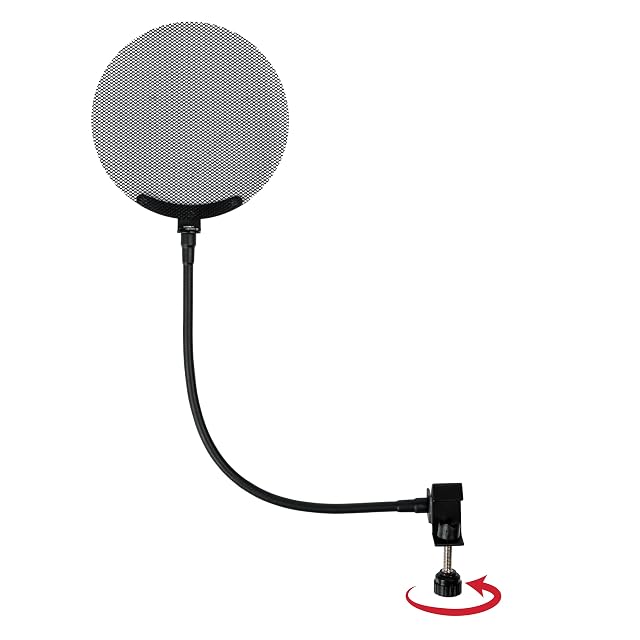
A metal grille rather than mesh, with slats angled to send air downward instead of scattering it — on a 12.4-inch gooseneck, and the only filter here to publish what its clamp will grip.

Gator Frameworks metal pop filter on a 12.4-inch gooseneck

Gator Frameworks GFW-POPFILTER-MTL

A metal grille rather than mesh, with slats angled to send air downward instead of scattering it — on a 12.4-inch gooseneck, and the only filter here to publish what its clamp will grip.

Filter
A durable metal grille whose angled slats divert air downward — a different mechanism from mesh, which scatters it
Gooseneck
12.4 in — the only gooseneck length published on this shelf
Clamp capacity
Mounts to most microphone stands or boom shafts up to 18 mm (0.71 in) in diameter — the only clamp figure on this shelf
Material
Metal. One filter here is nylon mesh, one is foam, one layers mesh, metal and foam, and one offers all three as separate filters
Stated purpose
Shielding recordings from popping while preserving vocal quality, for podcasts, broadcast, streaming and vocals
Layers
Gator puts nothing in writing on this. A metal grille is a single structure rather than a stack
Diameter
Gator puts nothing in writing on this. One filter here publishes 6 in
Cleaning
Gator puts nothing in writing on this, though metal is the one material here that can be wiped
Weight
113 g (4 oz) in the product record. One filter here is heavier still at 209 g (7.4 oz), and the three-filter package weighs 980 g (34.6 oz)
Amazon reference
B08VBMH1M3
EAN
0716408555799
  • The only filter here that publishes what its clamp will grip — shafts up to 18 mm (0.71 in)
  • The only published gooseneck length, at 12.4 inches
  • The most expensive filter on this shelf, at six times the cheapest

Best for: A desk arm whose shaft has been measured, where the filter needs wiping rather than replacing.
Check price on Amazon

Specifications

Filter
A durable metal grille whose angled slats divert air downward — a different mechanism from mesh, which scatters it
Gooseneck
12.4 in — the only gooseneck length published on this shelf
Clamp capacity
Mounts to most microphone stands or boom shafts up to 18 mm (0.71 in) in diameter — the only clamp figure on this shelf
Material
Metal. One filter here is nylon mesh, one is foam, one layers mesh, metal and foam, and one offers all three as separate filters
Stated purpose
Shielding recordings from popping while preserving vocal quality, for podcasts, broadcast, streaming and vocals
Layers
Gator puts nothing in writing on this. A metal grille is a single structure rather than a stack
Diameter
Gator puts nothing in writing on this. One filter here publishes 6 in
Cleaning
Gator puts nothing in writing on this, though metal is the one material here that can be wiped
Weight
113 g (4 oz) in the product record. One filter here is heavier still at 209 g (7.4 oz), and the three-filter package weighs 980 g (34.6 oz)
Amazon reference
B08VBMH1M3
EAN
0716408555799

A metal grille whose angled slats divert air downward. A 12.4-inch gooseneck. A clamp for microphone stands and boom shafts up to 18 mm (0.71 in) in diameter.

Three published figures, and two of them exist nowhere else on this shelf.

Eighteen millimeters is the useful one. The page for another filter here lists the problem as its own con — a clamp needs something to clamp to: check your stand or desk edge — and this is the only listing on the shelf that answers it with a number. A reader with a tape measure now knows before buying.

Twelve point four inches of gooseneck is the other. It is the reach, and reach is what decides whether the filter sits where a mouth is rather than where the stand allows. Every other filter here says flexible and stops.

The metal grille is a different mechanism from mesh, and worth understanding rather than ranking. Mesh scatters a plosive by making the air turn many times — a filter on this shelf publishes two layers with an air gap doing precisely that. Angled slats turn the air once, downward, away from the capsule. Both work; the slats work without a fabric surface, which means this is the only filter on this shelf that can be wiped rather than washed, and the only one that will not sag or tear.

The costs are real. At $34.99 it is the most expensive filter here and six times the cheapest. 113 g (4 oz) on the longest gooseneck published here is the most leverage on this shelf — which is the reason a clamp figure matters as much as it does. One filter here is heavier at 209 g (7.4 oz), on a neck of unpublished length. And no diameter is published, so how much of a drifting head the grille covers is unknown, where one filter here publishes 6 inches.

Availability

Read on the day this page was built: $35 at the American Amazon shop.

Read from Keepa on the day this page was last revised; stock and price both move without notice.

Prices quoted in this text were read on 2026-10-07. The live price is at the top of the page.

The questions players ask

Metal slats or mesh — which works better?

They work differently. Mesh scatters a plosive by making the air change direction many times, and two layers with a gap do it twice — one filter on this shelf publishes exactly that. Angled metal slats divert the air in one direction, downward, away from the capsule. Both reduce the plosive; the slats do it without a fabric surface to collect breath, which is why metal is the only material here that can be wiped rather than washed or replaced.

Why is 18 mm (0.71 in) the useful number?

Because it is the one figure that answers whether the thing will mount. The page for another filter on this shelf lists the problem as a con in its own words: a clamp needs something to clamp to, so check the stand or the desk edge. Eighteen millimeters covers most microphone stand shafts and most boom arms, and a reader with a tape measure now knows before ordering rather than after. No other filter on this shelf publishes a capacity.

Instruments it is stated to fit

All pop filters & shields