Skip to content

The best practice amp for a flat

In a flat, wattage is almost irrelevant and the headphone socket is everything. All three of these have one; what separates them is what else they do.

More amplifier per dollar

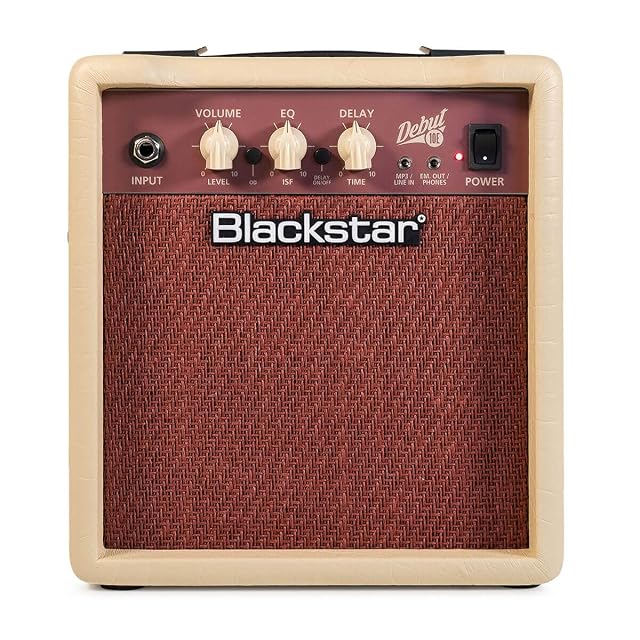
The Blackstar Debut 10E is first because it adds two things its direct rival does not: ISF, a tone control that sweeps the whole voicing between British and American characters, and a built-in tape-style delay — the effect most beginners buy a pedal for. It also takes a stereo line input for backing tracks.

The classic

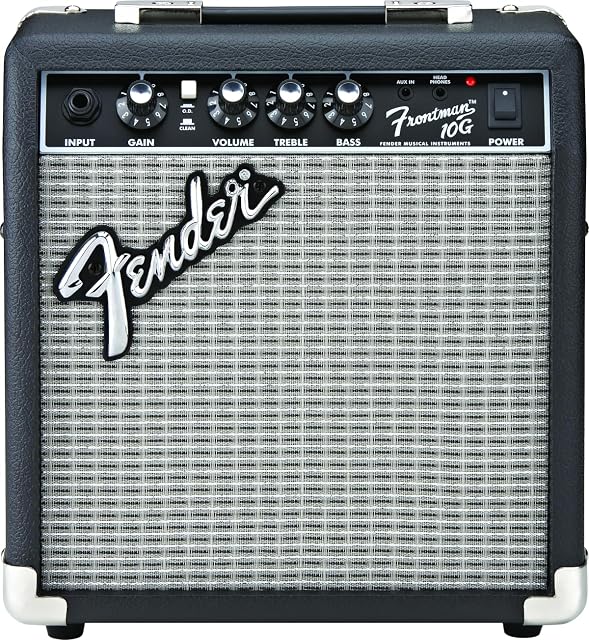
The Fender Frontman 10G is the amp inside half the guitar packs on the market, and it earns the place: gain, an overdrive switch, a 6-inch speaker, a headphone socket and a stated two-year warranty.

When the room gets bigger

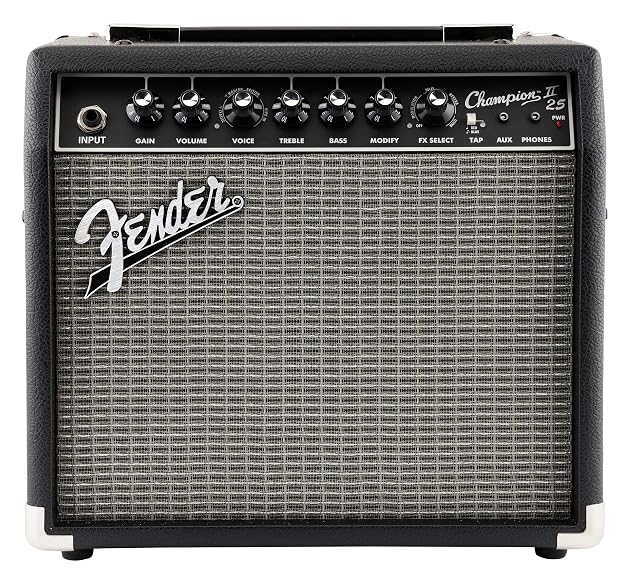
The Champion II 25 is where this stops being a bedroom amp: 25 W through an 8-inch Fender speaker, several voicings, a full effects section and a TAP button that sets delay and tremolo to the song rather than by ear.

What we would not do

We would not spend the extra on watts for a flat. The money is better spent on an amplifier with a usable headphone output and effects worth having.

Which instrument fits how you play?

You practice mostly at night
A headphone output is the feature, and everything else is secondary.
You want amp sounds at low volume
A modeling amp gives them without the level a valve amp needs to sound good.
You record too
A USB output turns the amp into an interface and removes a purchase.
You will rehearse with a drummer
A practice amp will not keep up, and that is a different purchase entirely.

Picking by how you play

Quiet practice

The reason the format exists. Headphones and a decent sound at low level are the whole brief.

Playing along to music

An auxiliary or Bluetooth input, which is how most home practice actually happens.

Learning tones

A modeling amp offers a range of voices, which is educational as much as it is fun.

Small recording

A USB output records the amp’s sound directly, which is far easier than microphoning a cabinet in a flat.

The things you will notice while playing

The headphone output and how it sounds
Many amps sound thin through headphones. Since that is how it will mostly be used, it is worth checking rather than assuming.
Behavior at low volume
Some amps only come alive when loud. In a flat, an amp that sounds good quietly is worth more than a better one that does not.
Modeling versus a single voice
A modeling amp covers many sounds and can be overwhelming; a simple amp does one thing and does it immediately.
USB or direct output
It removes the need for an interface and makes recording realistic in a small home.
Size and where it will live
A practice amp that has to be put away after every session gets used less than one that sits ready.

Which figure for which playing

Your situationWhat mattersWhat does not
Night practiceHeadphone output qualityWattage
Playing alongAux or Bluetooth inputNumber of models
Recording at homeUSB outputSpeaker size
Rehearsing with a bandA different amp entirelyAnything on this list

The mistakes players make

Buying wattage for a flat
A loud amp kept quiet often sounds worse than a small one at a comfortable level. Wattage is the least useful figure for home practice.
Ignoring how it sounds through headphones
That is how it will mostly be used. An amp that is thin through headphones is the wrong amp for a flat, whatever it sounds like in a shop.
Being paralyzed by presets
A modeling amp with hundreds of sounds can stop you practicing. Choosing two and leaving them is a legitimate strategy.
Expecting a practice amp to gig
It will not keep up with a drummer. That is not a fault; it is a different category of product.

By the musician you are

The flat dweller
Good headphone sound, an aux input, and a small footprint. Nothing else changes daily practice.
The explorer
A modeling amp, accepting that choice takes discipline as well as offering options.
The recordist
USB output: it makes recording guitar at home genuinely simple.

Care, keys and how long it stays good

Small amps are reliable and their faults are almost always in the jack sockets and the lead. A crackle when the lead moves is a cable or a socket, and it is fixed rather than tolerated because it eventually damages the socket.

  • Replace a crackling lead before assuming the amp is faulty.
  • Keep the amp ventilated and off carpet where it can block vents.
  • Keep drinks away: the top of an amp is where they get put and where they get spilled.
  • Turn the volume down before plugging and unplugging.

Safety

Mains-powered equipment and headphones used at close range.

  • Use an earthed supply and never defeat an earth pin.
  • Set safe headphone levels; a practice amp reaches damaging levels easily.
  • Turn down before connecting or disconnecting a lead.
  • Do not cover the amp’s vents while it is running.

The choices, and the reasoning

  1. Blackstar Debut 10E

    10 W · ISF tone control · tape delay · headphone and line in

    The same 10 W class as the Fender, with two things it does not have: Blackstar’s ISF control, which sweeps between British and American voicings, and a built-in tape-style delay.

    Best for: A first amp for someone who already knows they want effects.

    7.2/10

    ≈ $120

  2. Fender Frontman 10G

    10 W · 6" speaker · gain and overdrive switch · headphone jack

    The practice amp that ships inside half the guitar packs on the market, sold on its own: 10 W through a 6-inch speaker, a gain control, an overdrive switch and a headphone socket.

    Best for: The first amplifier, or a spare to leave permanently plugged in somewhere.

    7.2/10

  3. Fender Champion II 25

    25 W · 8" Fender speaker · built-in effects · TAP tempo

    The step up from a practice amp: 25 W through an 8-inch Fender Special Design speaker, Fender clean and overdrive voices plus British and modern distortions, and a proper effects section with tap tempo.

    Best for: A second amp, or a first one for somebody who intends to play with other people.

    8.4/10

The questions players ask

How many watts do I need at home?

Ten is enough for a room. Twenty-five holds up next to a quiet or electronic drummer. Beyond that you are buying for a band, and the amplifier stops being a practice amp.

Are speaker-emulated headphone outputs different?

Yes. A voiced output is designed to sound like a miked cabinet; a plain jack often sounds thin and shrill, which is why some players think their new amp is faulty. The manual states which is fitted.

Modeling or a simple amp?

A modeling amp offers many sounds and takes discipline to use; a simple amp does one thing immediately. Both are valid, and it is a question of temperament.

Why does it sound thin through headphones?

Some amps handle the headphone output as an afterthought. Since that is how a flat-dwelling player uses it, it is worth checking before buying.

Can I record with it?

If it has a USB or direct output, easily. Microphoning a cabinet in a flat is impractical, so that output is what makes recording realistic.

Will it work for band rehearsal?

No. A practice amp will not keep up with a drummer, and that is a category difference rather than a shortcoming.

Do I need a valve amp?

Not for home practice. Valve amps generally need volume to sound their best, which is exactly what a flat does not allow.

Can I use headphones with any amp?

Only with an amp that has a headphone output designed for it. Some older amps have none at all, and an unloaded valve amp must never be run without a speaker.

Each instrument, and the player it answers

Blackstar Debut 10E · $120

For players who: A first amp for someone who already knows they want effects.

Its finest point: ISF is a genuinely different control: one knob that changes the character rather than the EQ

Its weakest point: Still 10 W: a practice amplifier, not a rehearsal one

Read the full review →

Fender Frontman 10G

For players who: The first amplifier, or a spare to leave permanently plugged in somewhere.

Its finest point: A headphone socket, which is what makes practice possible at any hour

Its weakest point: Ten watts through a 6-inch speaker is a bedroom amp and nothing more

Read the full review →

Fender Champion II 25

For players who: A second amp, or a first one for somebody who intends to play with other people.

Its finest point: Twenty-five watts through an 8-inch speaker: loud enough to hold up next to a quiet drummer

Its weakest point: Heavier and larger than the 10 W amps here, which matters on a desk

Read the full review →

What to get with it

Stands, pedals and cables from the same aisle, at the price we read. Confirm they suit the instrument you choose before ordering: it turns on the fitting and the part number, which the product page gives.

If you want one line

Comparisons worth hearing out

Instrument against instrument, where that page is already written.

What stands behind this ranking

What is listed is taken from the catalog of this site. Specifications come from the manufacturer and from the Amazon listing; prices are what Keepa reported on the date shown, and both move. The order follows declared specifications, stated strengths against stated limits, and price. Nothing here has been played or recorded with by us, and no page pretends otherwise.

Last checked on

Prices quoted in these summaries are dated readings. The live price is shown next to each product.

The tool we use ourselves

Chosen your instrument? Now buy it at the right price.

Digital pianos and electronic drum kits swing by a hundred dollars or more across the year, and the biggest "discounts" often land at prices the same model sold for six weeks earlier. UniverTrack tracks the real price history across retailers, spots fake reductions, and alerts you when it is genuinely the moment to buy.

Real price historyBuy-now alertsAI buying assistant
Try free for 14 days →
No commitment · Cancel in one click · 5 languages